
Stanford Medicine researchers find that ibogaine, a plant-based psychoactive compound, safely led to improvements in depression, anxiety and functioning among veterans with traumatic brain injuries. For military veterans, many of the deepest wounds of war are invisible: Traumatic brain injuries... Continue Reading →

Interactions with friends and family may keep us healthy because they boost our immune system and reduce our risk of diseases such as heart disease, stroke and type 2 diabetes, new research suggests. More and more people of all ages... Continue Reading →
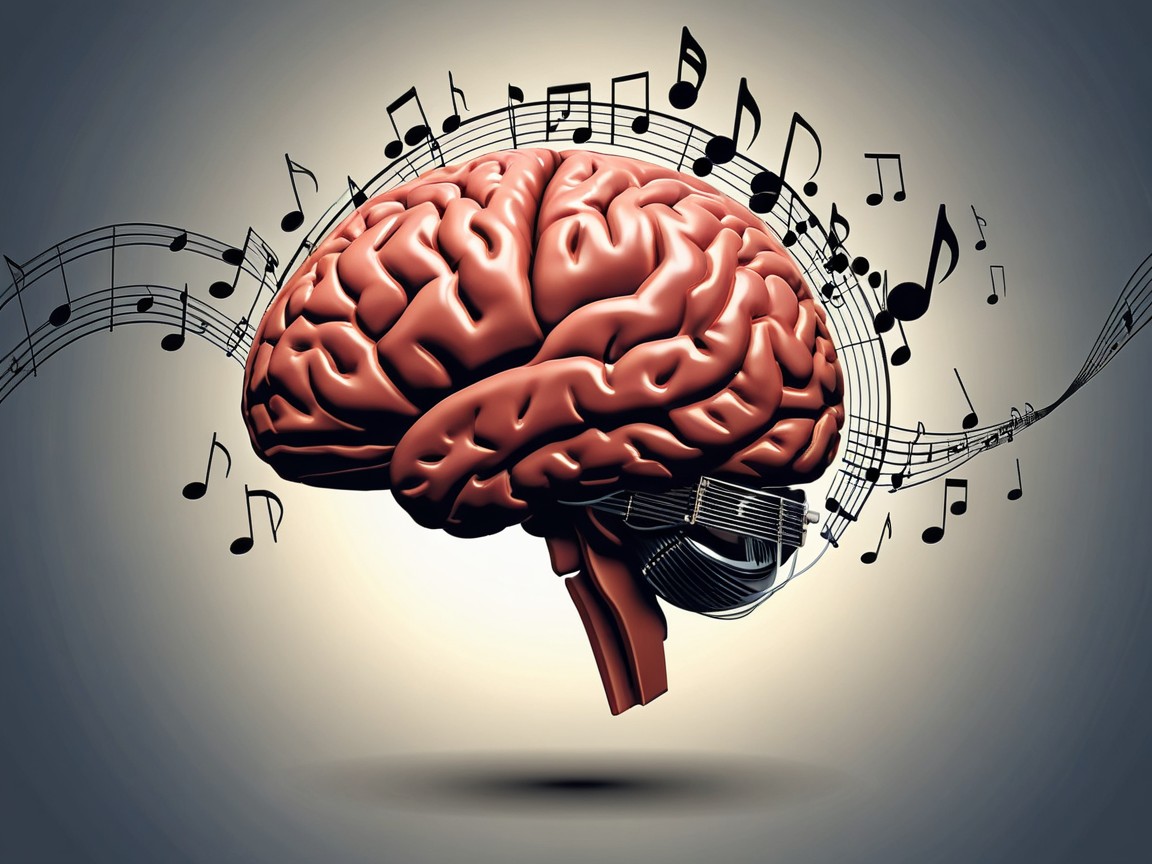
In a groundbreaking study published Nov. 21 in the journal Nature Human Behaviour, researchers have uncovered significant genetic connections between human language abilities and musical rhythm skills, providing new insights into the biological underpinnings of these fundamental human traits. The study... Continue Reading →
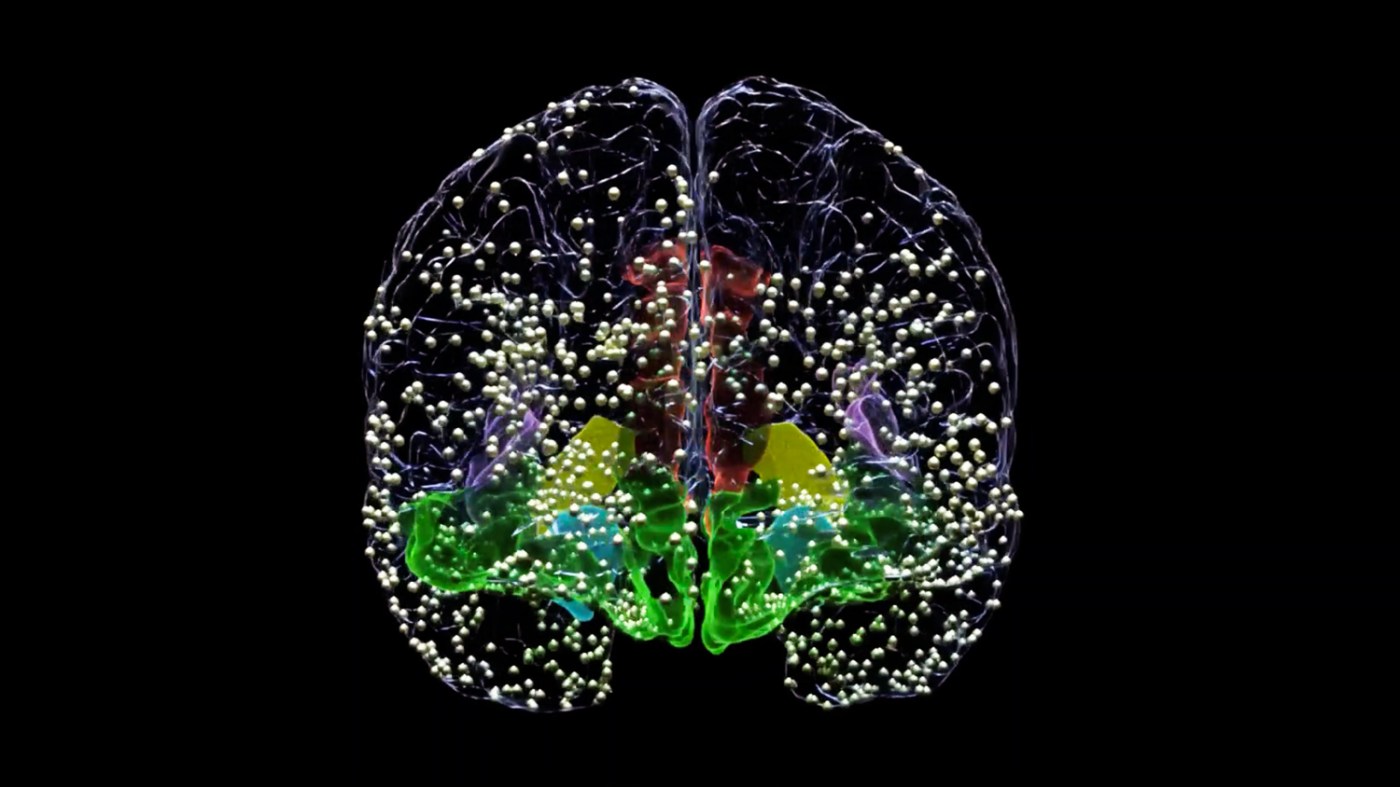
The findings, from researchers at Imperial College London and University of South Carolina, add to mounting evidence that inflammation, and the accompanying release of the molecule histamine, affects a key molecule responsible for mood in the brain – serotonin. If... Continue Reading →

Cells from individuals with Major Depressive Disorder (MDD) were found to have higher than expected rates of methylation at specific sites on their DNA, when compared to cells from healthy individuals without MDD, according to a study by a multidisciplinary... Continue Reading →

While we often associate depression with low mood, tiredness and feelings of hopelessness, less well known is that some people with depression may experience problems with their memory – such as feeling more forgetful than usual. Though memory problems aren’t... Continue Reading →
Acne treatment including the highly effective acne medication isotretinoin should be made more readily available despite reports of its association with depression and teen suicide. That's the implication of a study published in the Journal of the American Academy of Dermatology.... Continue Reading →

Engineers and physicians at USC and the University of California, San Francisco have discovered how mood variations can be translated, or decoded, from neural signals in a person’s brain — a process that has not been demonstrated before. The study,... Continue Reading →

In contrast to most antidepressant medications, which can take several weeks to reduce depressive symptoms, ketamine — a commonly used veterinary anesthetic — can lift a person out of a deep depression within minutes of its administration, and its effects... Continue Reading →
 Scents of Science