
Have you ever run into a work colleague at the supermarket and failed to recognize them? Blame your brilliant, lazy brain. A new study led by Assistant Professor Oliver Baumann of Bond University sheds fresh light on the way the... Continue Reading →

Have you recently wondered how social-distancing and self-isolation may be affecting your brain? An international research team led by Erin Schuman from the Max Planck Institute for Brain Research discovered a brain molecule that functions as a “thermometer” for the... Continue Reading →

In the future, treating a concussion could be as simple as cooling the brain. That's according to research conducted by University of Wisconsin-Madison engineers, whose findings support the treatment approach at the cellular level. "There are currently no effective medical... Continue Reading →

According to a popular view, creativity is a product of the brain's right hemisphere -- innovative people are considered "right-brain thinkers" while "left-brain thinkers" are thought to be analytical and logical. Neuroscientists who are skeptical of this idea have argued... Continue Reading →
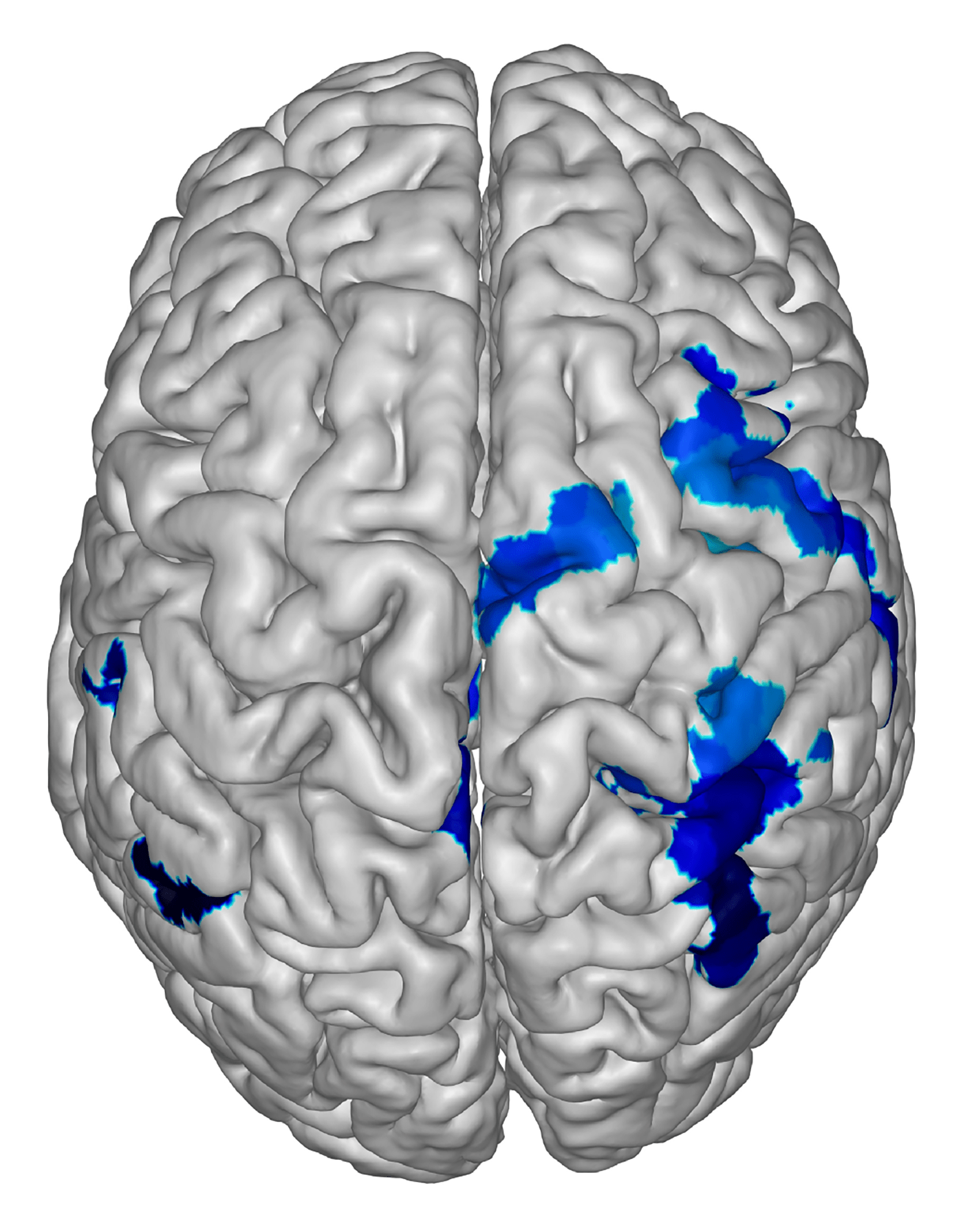
In a study of healthy volunteers, National Institutes of Health researchers found that our brains may solidify the memories of new skills we just practiced a few seconds earlier by taking a short rest. The results highlight the critically important... Continue Reading →

UCLA researchers have found that it is possible to assess a person's ability to feel empathy by studying their brain activity while they are resting rather than while they are engaged in specific tasks. Traditionally, empathy is assessed through the... Continue Reading →

Researchers using MRI have found signs of damage that may be related to inflammation in the brains of obese adolescents, according to a study being presented next week at the annual meeting of the Radiological Society of North America (RSNA).... Continue Reading →

An important aspect of human memory is our ability to conjure specific moments from the vast array of experiences that have occurred in any given setting. For example, if asked to recommend a tourist itinerary for a city you have... Continue Reading →

In a new paper, a team of USC computer scientists and psychologists teamed up to investigate how music affects how you act, feel and think Your heart beats faster, palms sweat and part of your brain called the Heschl's gyrus... Continue Reading →
 Scents of Science