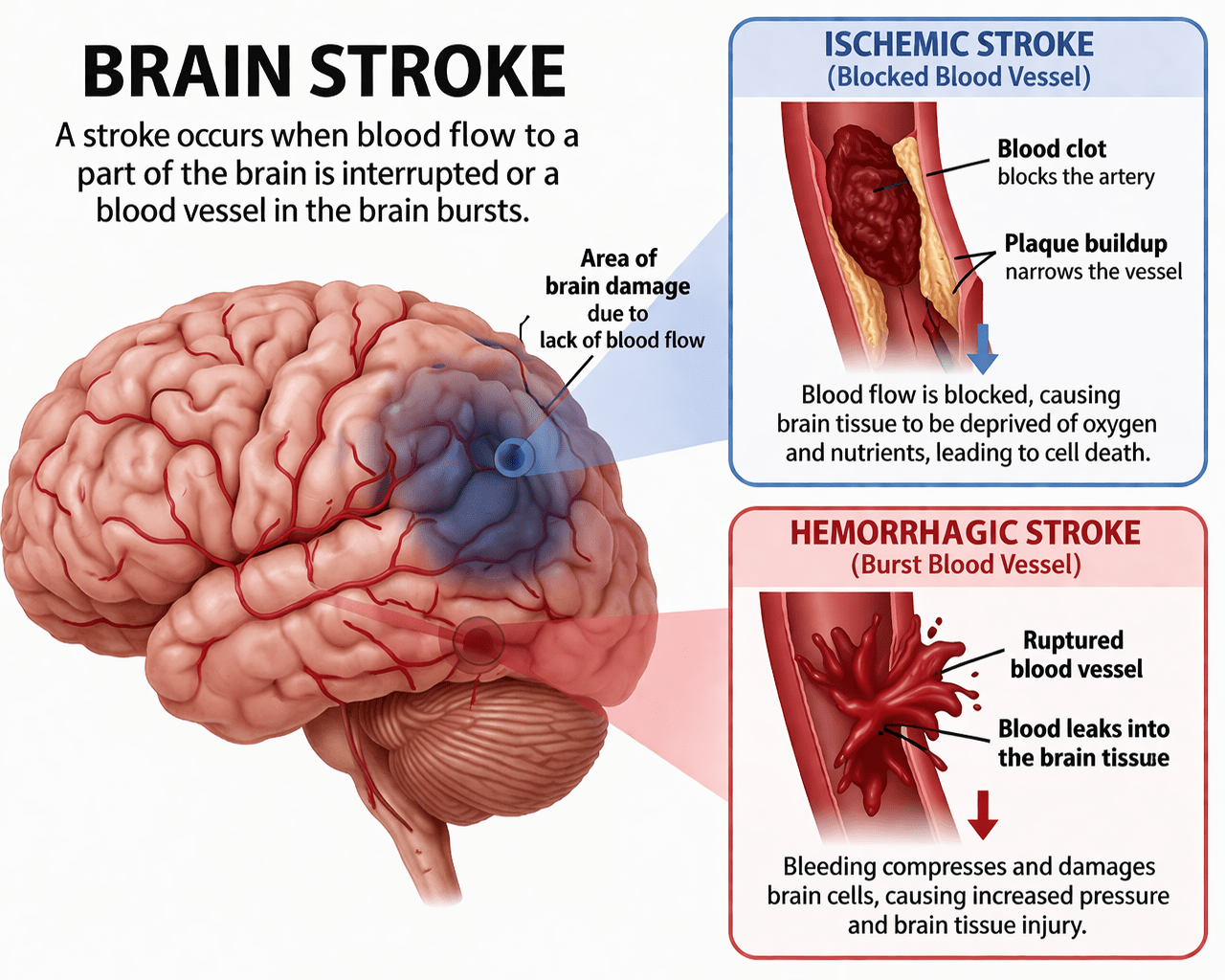
In a new study published in The Lancet Digital Health, scientists at the USC Mark and Mary Stevens Neuroimaging and Informatics Institute (Stevens INI) have discovered that the brains of people who experience severe physical impairment after a stroke may reorganize themselves... Continue Reading →
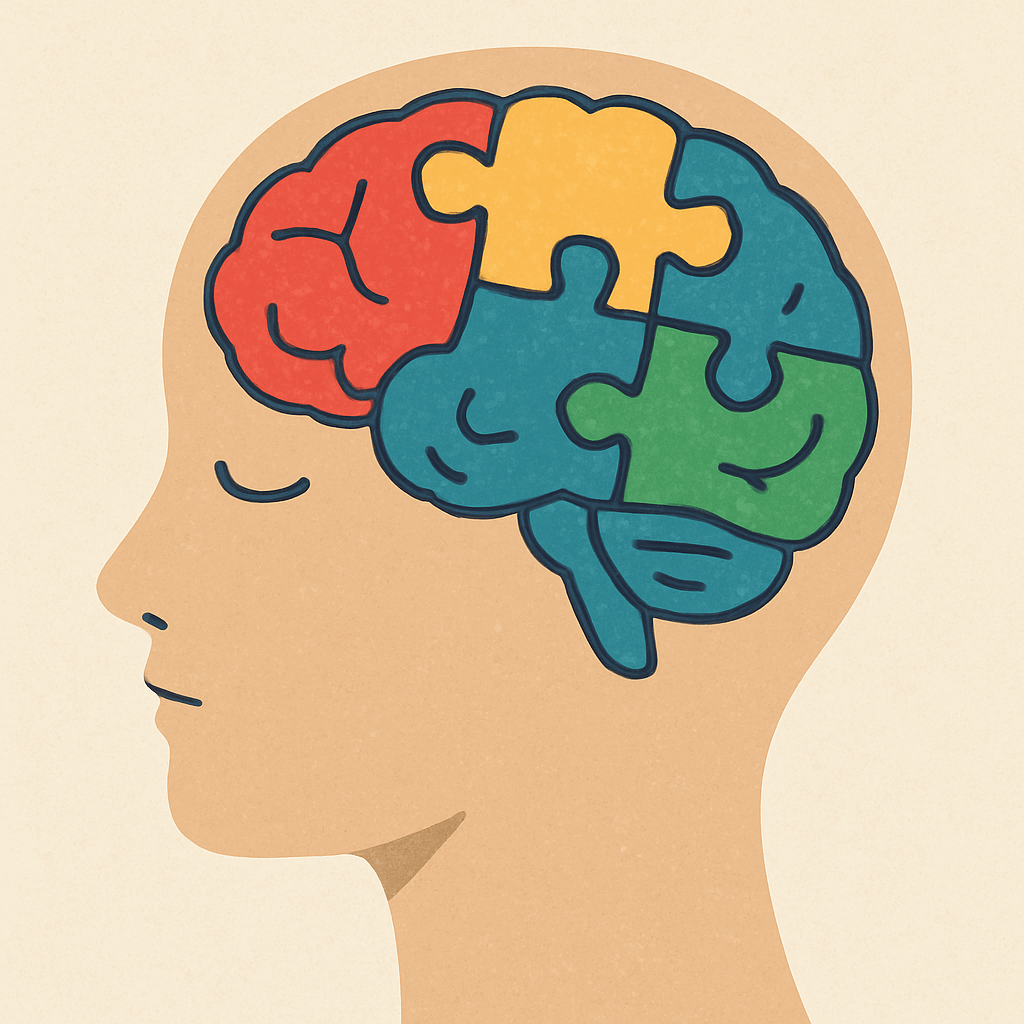
Stanford Medicine scientists investigating the neurological basis of autism spectrum disorder (ASD) have found that hyperactivity in a specific brain region could drive behaviors commonly associated with the disorder. Using the Cntnap2 knockout mouse model, the researchers, led by John Huguenard, PhD,... Continue Reading →
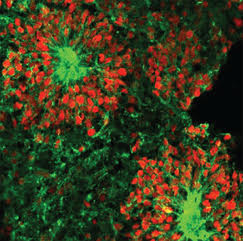
Microgravity is known to alter the muscles, bones, the immune system and cognition, but little is known about its specific impact on the brain. To discover how brain cells respond to microgravity, Scripps Research scientists, in collaboration with the New... Continue Reading →
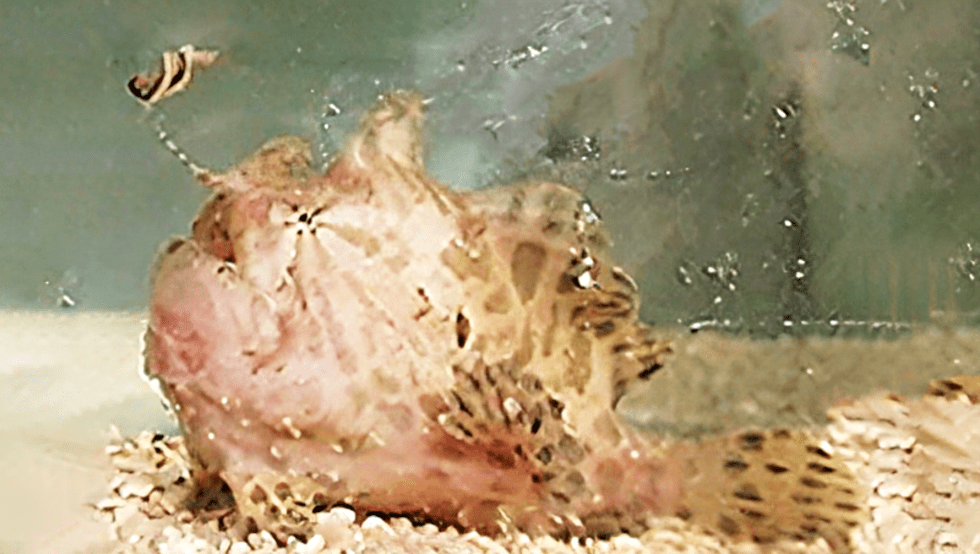
Characterized by their unique adaptations to extreme environments, anglerfish are known for using lures to attract prey. Researchers at Nagoya University in Japan have discovered in frogfish (a subgroup of anglerfish) a specialized motor neuron population in the first dorsal... Continue Reading →

An international team of scientists has identified the neural mechanisms through which sound blunts pain in mice. The findings, which could inform development of safer methods to treat pain, were published in Science. The study was led by researchers at the... Continue Reading →
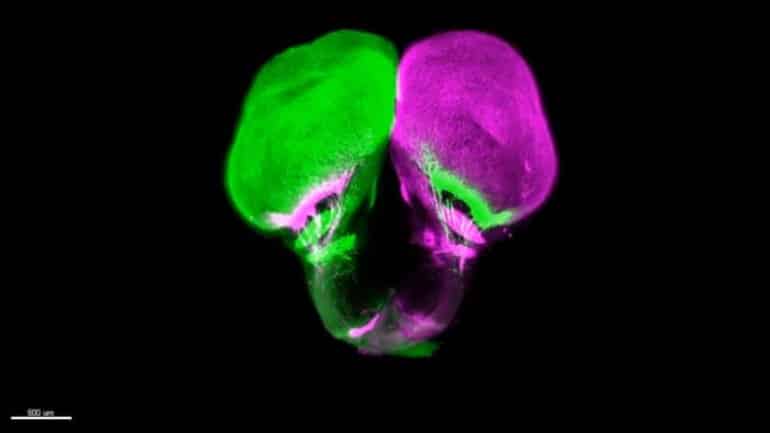
The network of nerves connecting our eyes to our brains is sophisticated and researchers have now shown that it evolved much earlier than previously thought, thanks to an unexpected source: the gar fish. Michigan State University’s Ingo Braasch has helped... Continue Reading →
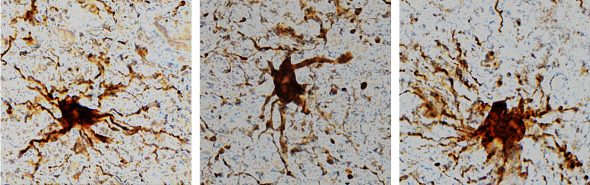
In the hours after we die, certain cells in the human brain are still active. Some cells even increase their activity and grow to gargantuan proportions, according to new research from the University of Illinois Chicago. In a newly published... Continue Reading →

Sugar practically screams from the shelves of your grocery store, especially those products marketed to kids. Children are the highest consumers of added sugar, even as high-sugar diets have been linked to health effects like obesity and heart disease and... Continue Reading →

Georgia State University biology researchers have found that infecting the nasal passages of mice with the virus that causes COVID-19 led to a rapid, escalating attack on the brain that triggered severe illness, even after the lungs were successfully clearing themselves of... Continue Reading →
 Scents of Science