
How bacteria live -- whether as independent cells or in a communal biofilm -- determines how they evolve antibiotic resistance, which could lead to more personalized approaches to antimicrobial therapy and infection control. University of Pittsburgh School of Medicine researchers... Continue Reading →


Researchers have solved the three-dimensional structure of a protein complex involved in vertebrate vision at atomic resolution, a finding that has broad implications for our understanding of biological signaling processes and the design of over a third of the drugs... Continue Reading →

Princeton University researchers have discovered that learned behaviors can be inherited for multiple generations in C. elegans, transmitted from parent to progeny via eggs and sperm cells. The paper detailing this finding, by Rebecca Moore, Rachel Kaletsky and Coleen Murphy, appears... Continue Reading →
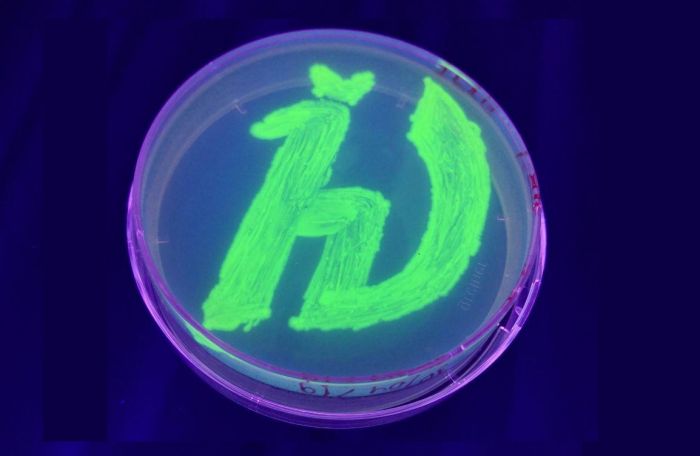
Biophysicists from the Moscow Institute of Physics and Technology have joined forces with colleagues from France and Germany to create a new fluorescent protein. Besides glowing when irradiated with ultraviolet and blue light, it is exceedingly small and stable under... Continue Reading →

Can your liver sense when you're staring at a television screen or cellphone late at night? Apparently so, and when such activity is detected, the organ can throw your circadian rhythms out of whack, leaving you more susceptible to health... Continue Reading →
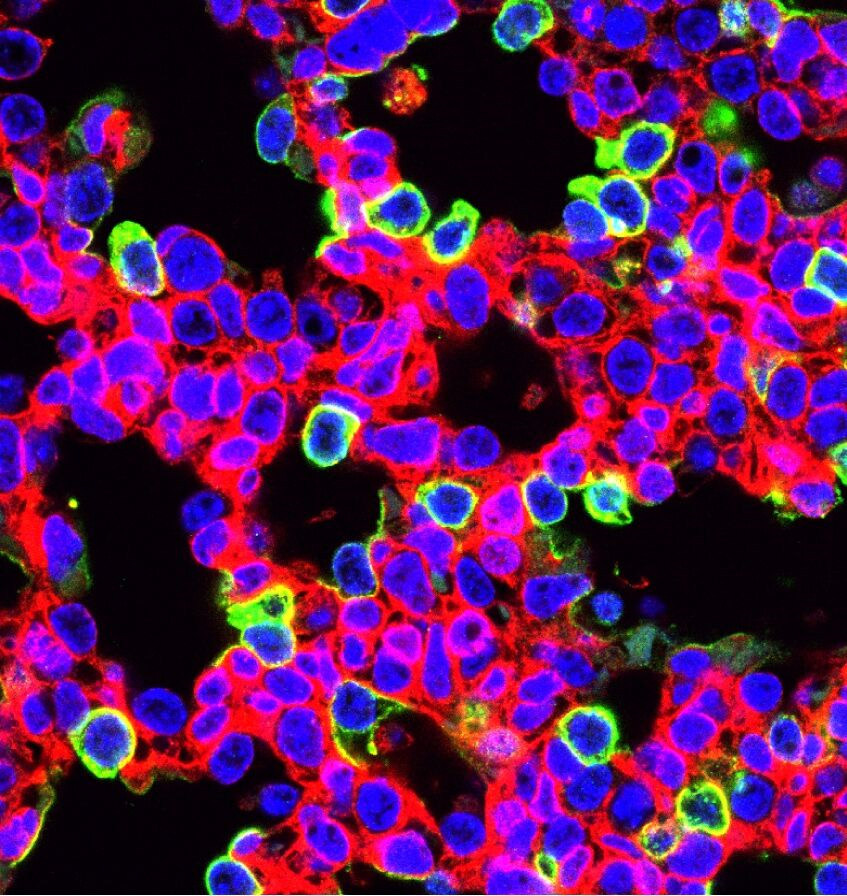
Using CRISPR gene editing, a team from Children's Hospital of Philadelphia (CHOP)and Penn Medicine have thwarted a lethal lung disease in an animal model in which a harmful mutation causes death within hours after birth. This proof-of-concept study, published today in Science Translational Medicine,... Continue Reading →
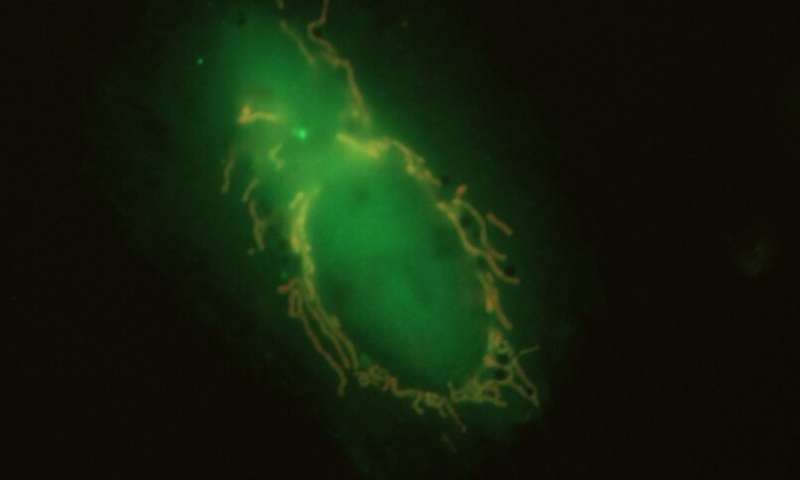
When mitochondria become damaged, they avoid causing further problems by signaling cellular proteins to degrade them. In a paper publishing April 11, 2019, in the journal Developmental Cell, scientists in Norway report that they have discovered how the cells trigger this... Continue Reading →

All cells possess a cytoskeleton which allows them to move and maintain their shape. However, scientists recently showed that a part of this cytoskeleton called branched actin is also essential to cell proliferation, this actin transmits information to cells about... Continue Reading →
 Scents of Science