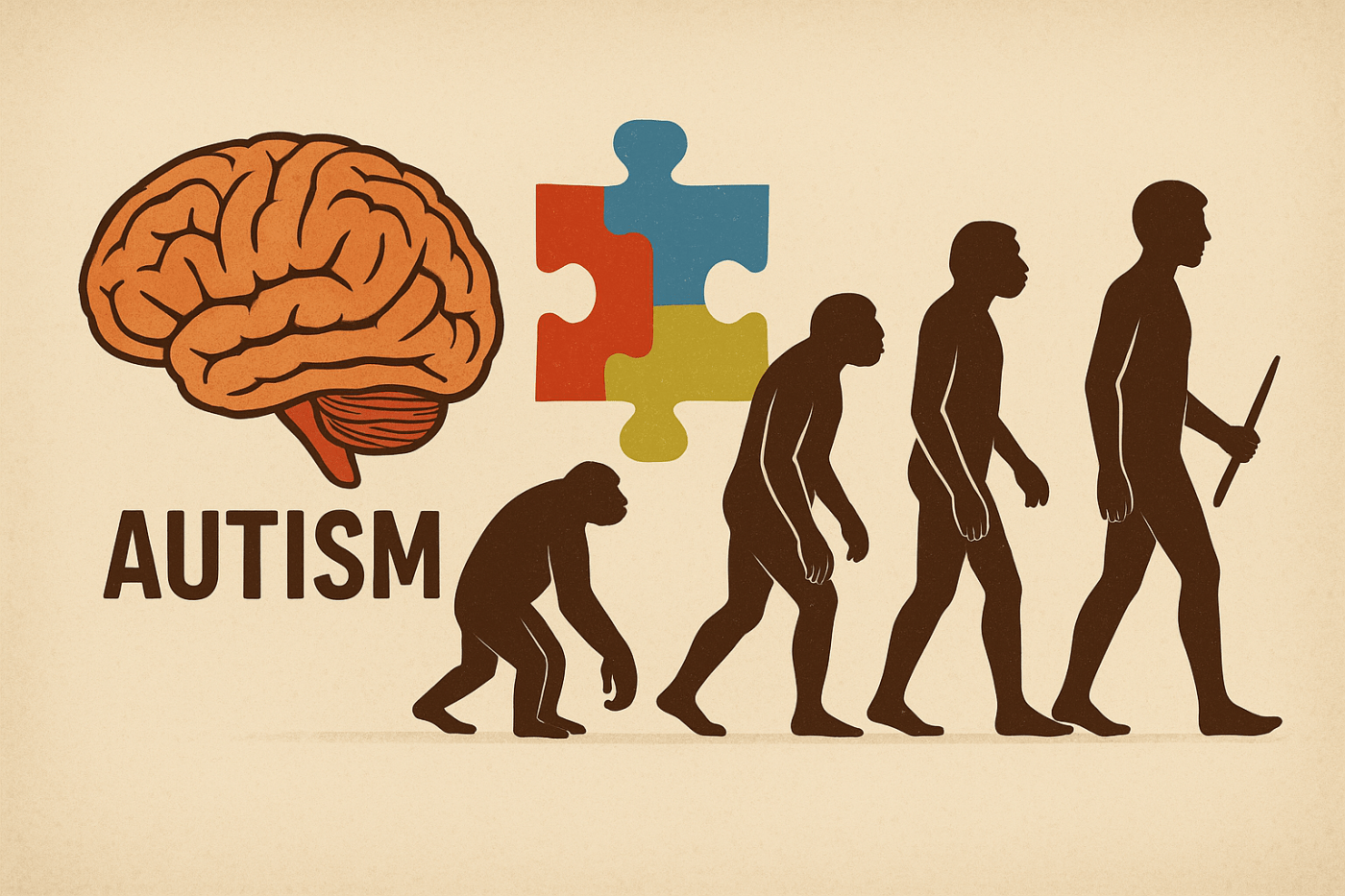
A new paper in Molecular Biology and Evolution, published by Oxford University Press, finds that the relatively high rate of Autism-spectrum disorders in humans is likely due to how humans evolved in the past. About one in 31 (3.2%) children in the... Continue Reading →
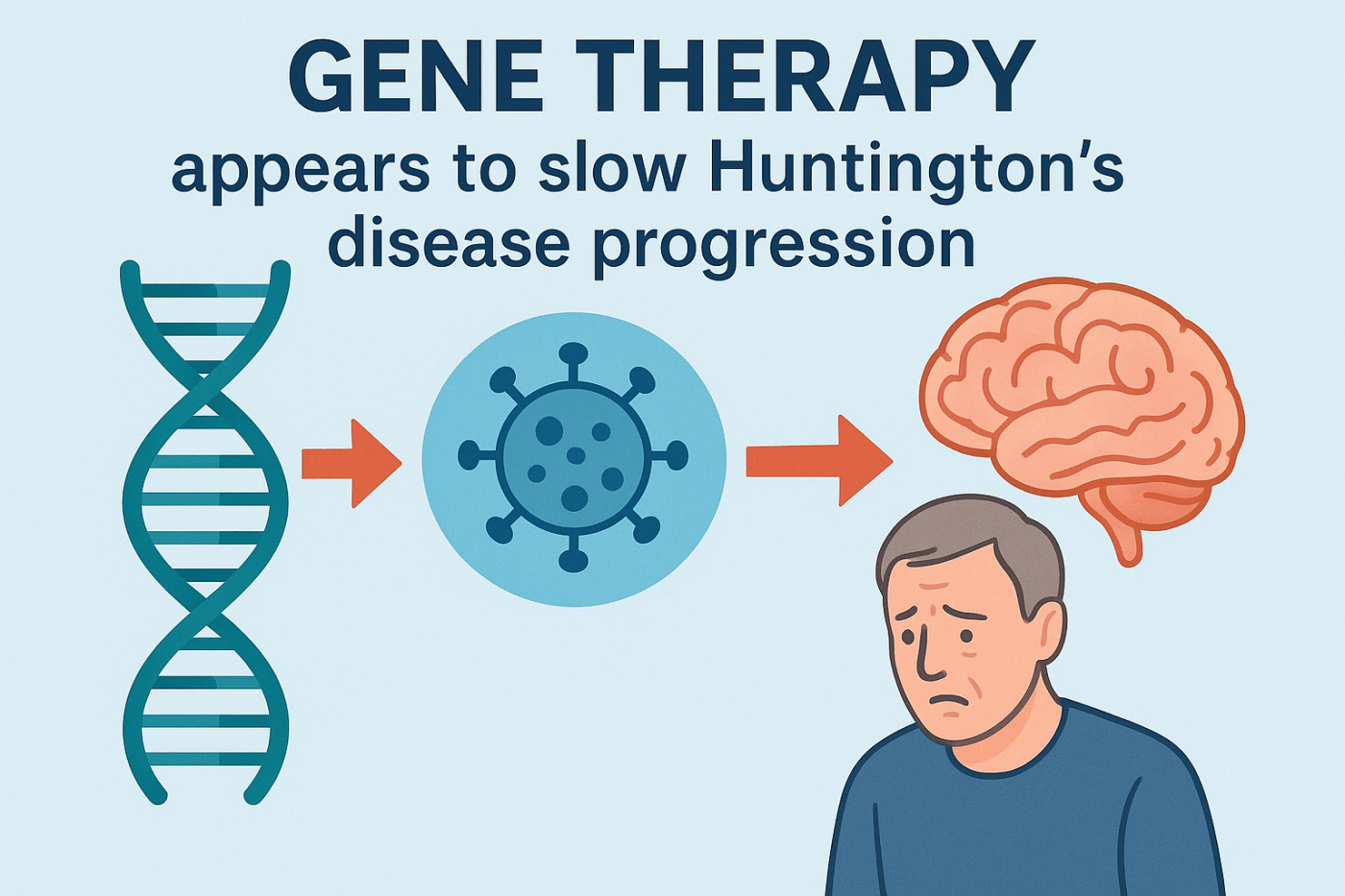
The researchers found that patients receiving the treatment experienced 75% less progression of the disease overall, compared to a matched cohort of people with Huntington’s who were not receiving the treatment. This is the first time a drug trial has... Continue Reading →
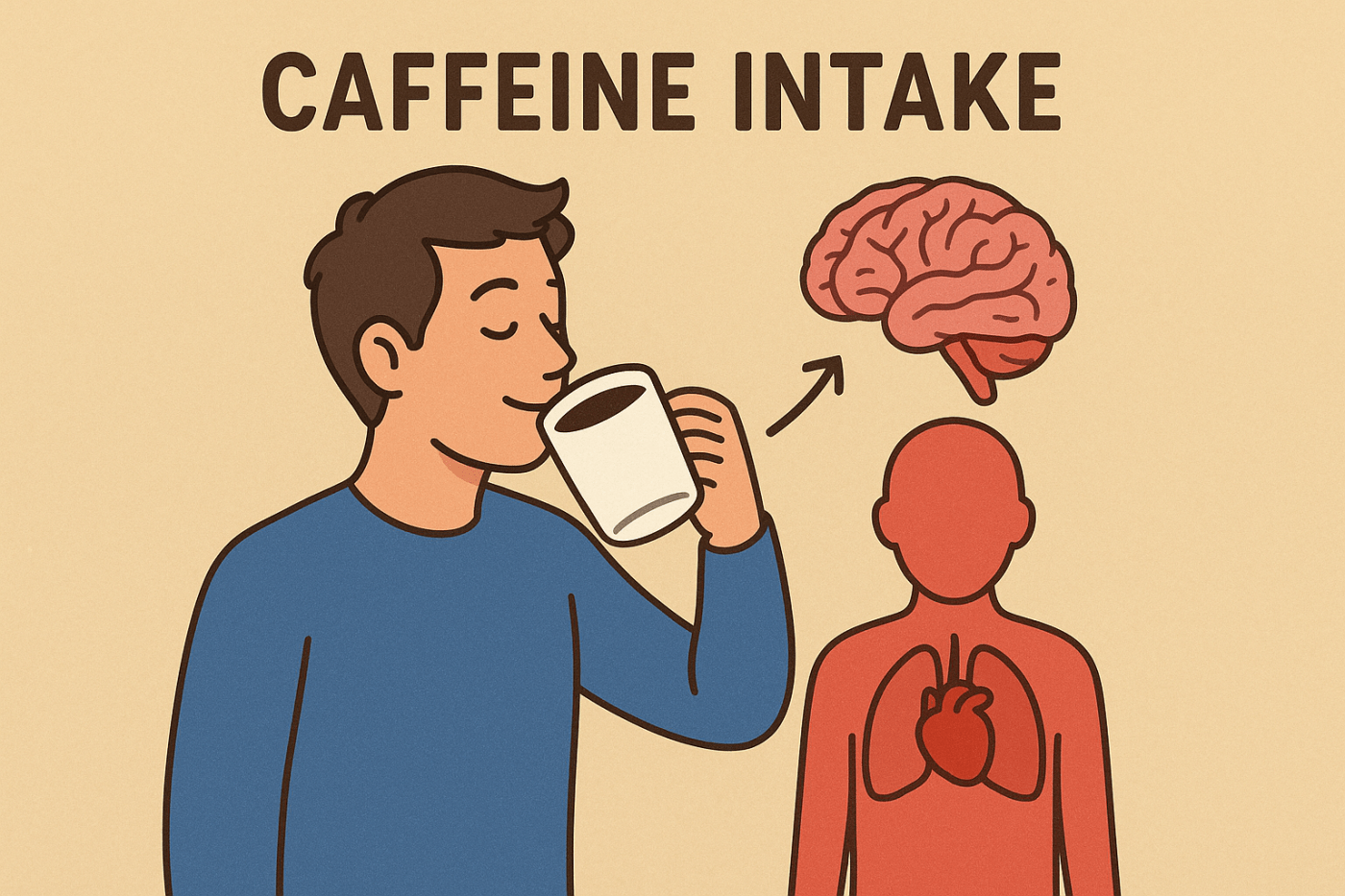
Ingredients of our daily diet – including caffeine – can influence the resistance of bacteria to antibiotics. This has been shown in a new study by a team of researchers at the Universities of Tübingen and Würzburg led by Professor Ana... Continue Reading →
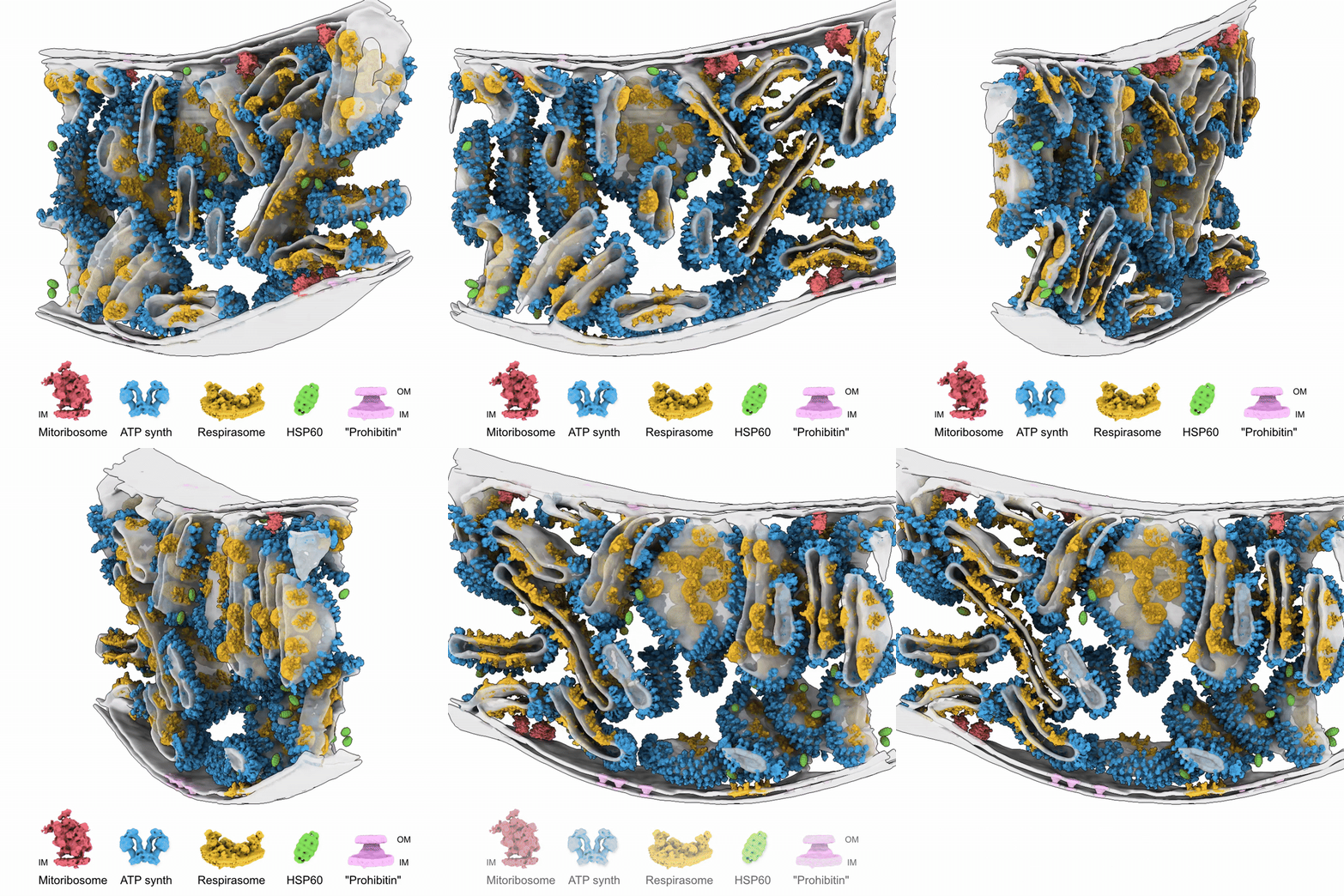
Mitochondria are the powerhouses in our cells, producing the energy for all vital processes. Using cryo-electron tomography, researchers at the Biozentrum of the University of Basel have now gained insight into the architecture of mitochondria at unprecedented resolution. They discovered... Continue Reading →

Scientists have developed new light-sensitive chemicals that can radically improve the treatment of aggressive cancers with minimal side effects. In mouse tests, the new therapy completely eradicated metastatic breast cancer tumors. The novel chemicals, called cyanine-carborane salts, and their role... Continue Reading →

Researchers are shining a light on cancer cells’ energy centers – literally – to damage these power sources and trigger widespread cancer cell death. In a new study, scientists combined strategies to deliver energy-disrupting gene therapy using nanoparticles manufactured to... Continue Reading →
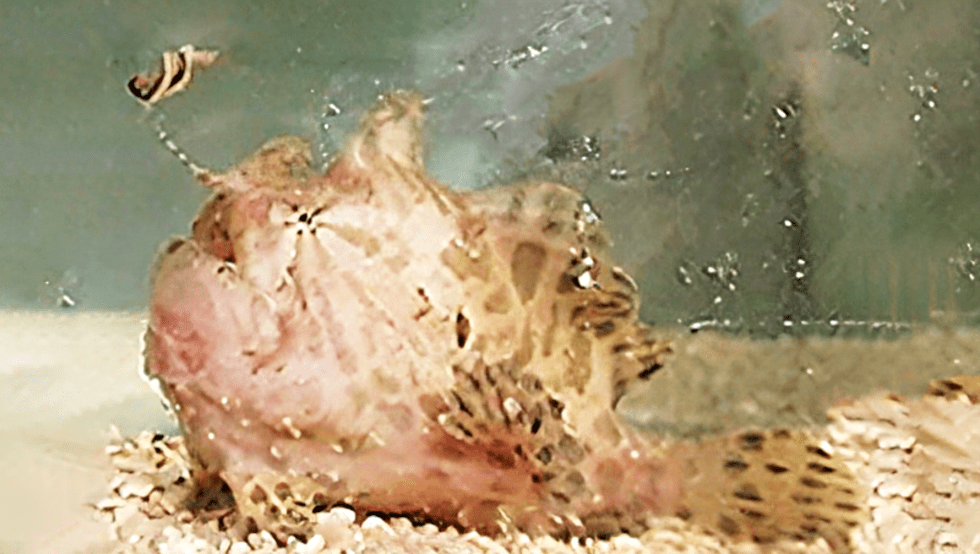
Characterized by their unique adaptations to extreme environments, anglerfish are known for using lures to attract prey. Researchers at Nagoya University in Japan have discovered in frogfish (a subgroup of anglerfish) a specialized motor neuron population in the first dorsal... Continue Reading →

Johns Hopkins University researchers discovered precisely how spiders build webs by using night vision and artificial intelligence to track and record every movement of all eight legs as spiders worked in the dark. Their creation of a web-building playbook or... Continue Reading →

Researchers from EMBL Heidelberg and from the University of Padua School of Medicine have created the first complete description of early embryo development, accounting for every single cell in the embryo. This 'virtual embryo' will help to answer how the... Continue Reading →
 Scents of Science