
Stanford Medicine researchers find that ibogaine, a plant-based psychoactive compound, safely led to improvements in depression, anxiety and functioning among veterans with traumatic brain injuries. For military veterans, many of the deepest wounds of war are invisible: Traumatic brain injuries... Continue Reading →
A study of nearly 10,000 adolescents funded by the National Institutes of Health (NIH) has identified distinct differences in the brain structures of those who used substances before age 15 compared to those who did not. Many of these structural brain... Continue Reading →

Florida State University College of Medicine researchers have linked aspartame, an artificial sweetener found in nearly 5,000 diet foods and drinks, to anxiety-like behavior in mice. Along with producing anxiety in the mice who consumed aspartame, the effects extended up... Continue Reading →

Gene editing may be a potential treatment for anxiety and alcohol use disorder in adults who were exposed to binge drinking in their adolescence, according to the results of an animal study published in the journal Science Advances. The study... Continue Reading →

New research from Northumbria University suggests a link between personality traits and the ability to experience the relaxing sensory phenomenon known as ASMR. The findings also show that it reduces anxiety in those who experience the sensation. A study has... Continue Reading →
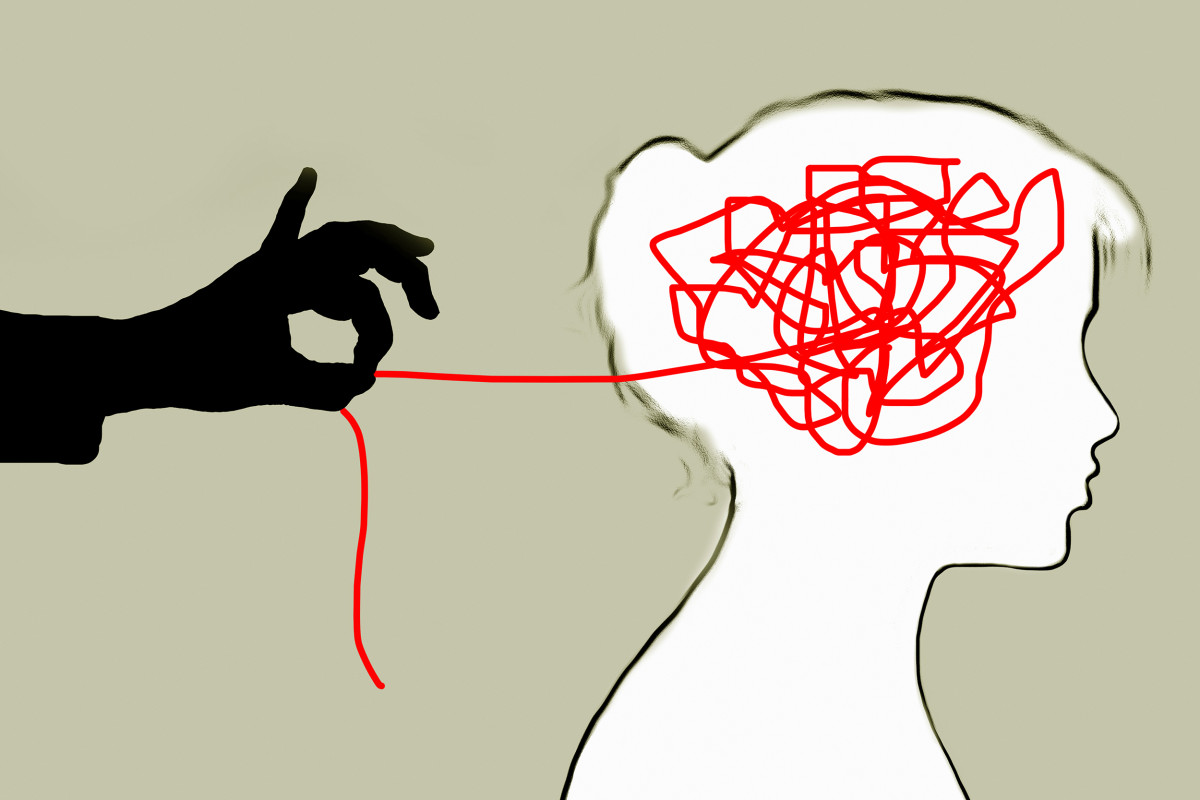
Abnormal levels of stress hormones such as adrenaline and cortisol are linked to a variety of mental health disorders, including depression and posttraumatic stress disorder (PTSD). MIT researchers have now devised a way to remotely control the release of these... Continue Reading →

Engineers and physicians at USC and the University of California, San Francisco have discovered how mood variations can be translated, or decoded, from neural signals in a person’s brain — a process that has not been demonstrated before. The study,... Continue Reading →
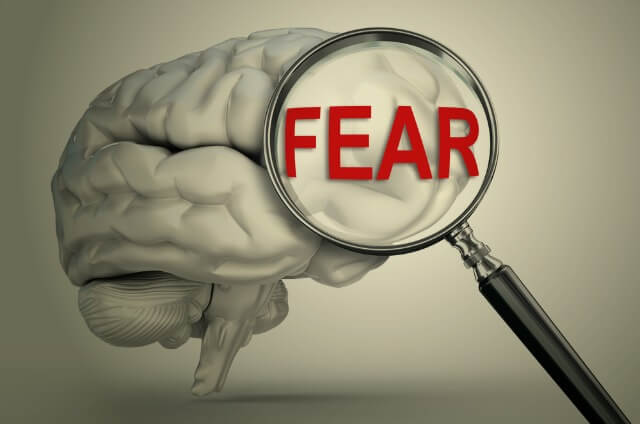
How does your brain decide what to do in a threatening situation? A paper published in Nature describes a mechanism by which the brain classifies the level of a threat and decides when to escape. Escaping from a dangerous situation is crucial... Continue Reading →

A McLean Hospital scientific team’s comprehensive analysis of recent research into how the brain shapes responses to cognitive and emotional challenges has revealed the potential for new brain treatments for psychiatric conditions that target specific brain circuits. The detailed review,... Continue Reading →
 Scents of Science