
This English film shows diagrams of heart and sinus-node mechanism, excitation-wave pathway, interpretation of electrocardiograph. https://www.youtube.com/watch?v=sJvhgycFYfs

Every step caused the sand to light up blue. That glow was bioluminescence -- a blue radiance that also lights the surf in this surreal scene captured in mid-2018 at Meyer's Creek Beach in Oregon, USA. Volcanic stacks dot the foreground sea, while a thin fog layer scatters light on... Continue Reading →

New research has found that repeated concussions can thicken the structure of skull bones. Previous studies have shown damage to the brain following concussion, but have not looked at the brain’s protective covering. A Monash-led study published in the journal Scientific... Continue Reading →

Teams are moving forward to the Moon with a second launch attempt of the Artemis I mission on Saturday, 3 September. The two-hour launch window starts at 20:17 CEST (19:17 BST). The original countdown stopped last Monday, 40 minutes before... Continue Reading →
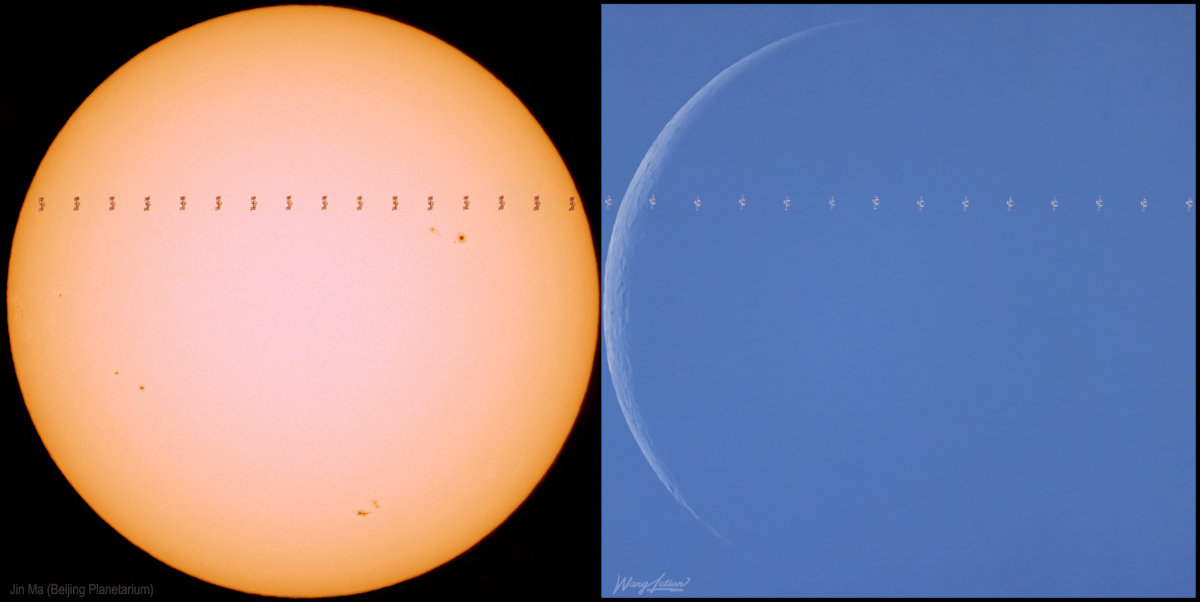
On August 25 Sun and Moon could both be seen in planet Earth's daytime skies. And so could the International Space Station. The ISS crossed the disk of the waning crescent Moon as seen from Shunyi district, Beijing, China at about... Continue Reading →
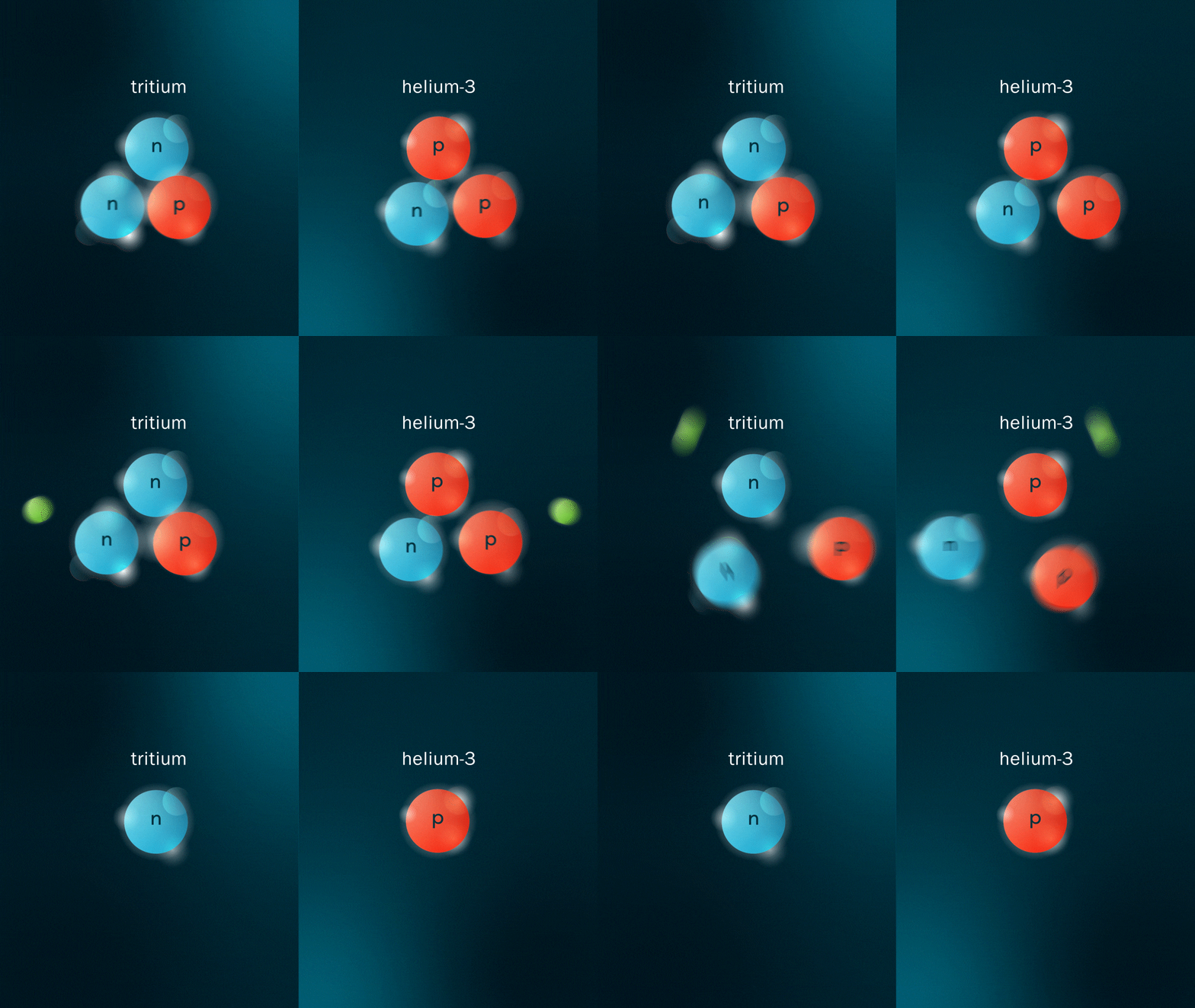
The atomic nucleus is a busy place. Its constituent protons and neutrons occasionally collide, and briefly fly apart with high momentum before snapping back together like the two ends of a stretched rubber band. Using a new technique, physicists studying these... Continue Reading →
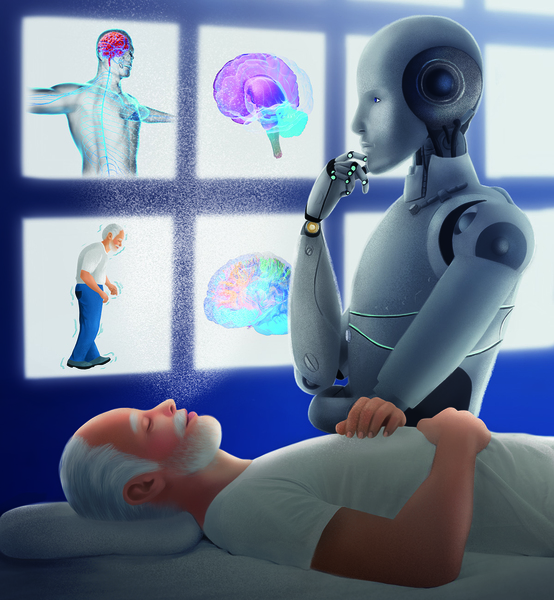
Parkinson’s disease is notoriously difficult to diagnose as it relies primarily on the appearance of motor symptoms such as tremors, stiffness, and slowness, but these symptoms often appear several years after the disease onset. Now, Dina Katabi, the Thuan (1990) and... Continue Reading →

Fentanyl is used to supplement sedation and relieve severe pain during and after surgery, but it’s also one of the deadliest drugs of the opioid epidemic. In research conducted by investigators at Harvard-affiliated Massachusetts General Hospital and published in PNAS Nexus,... Continue Reading →
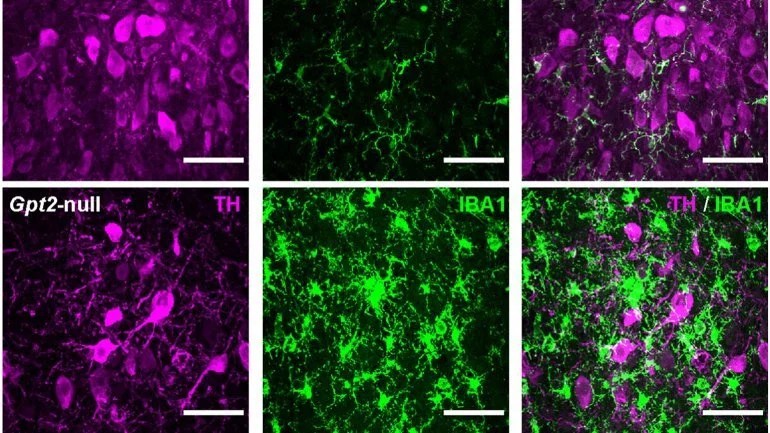
The locus coeruleus is among the first brain regions to degenerate in Alzheimer’s and Parkinson’s disease, physicians and scientists have known. But why this area is so vulnerable is less understood. While continuing their exploration of a rare neurogenetic disorder,... Continue Reading →
 Scents of Science