
Researchers at QuTech—a collaboration between the Delft University of Technology and TNO—have engineered a record number of six, silicon-based, spin qubits in a fully interoperable array. Importantly, the qubits can be operated with a low error-rate that is achieved with... Continue Reading →
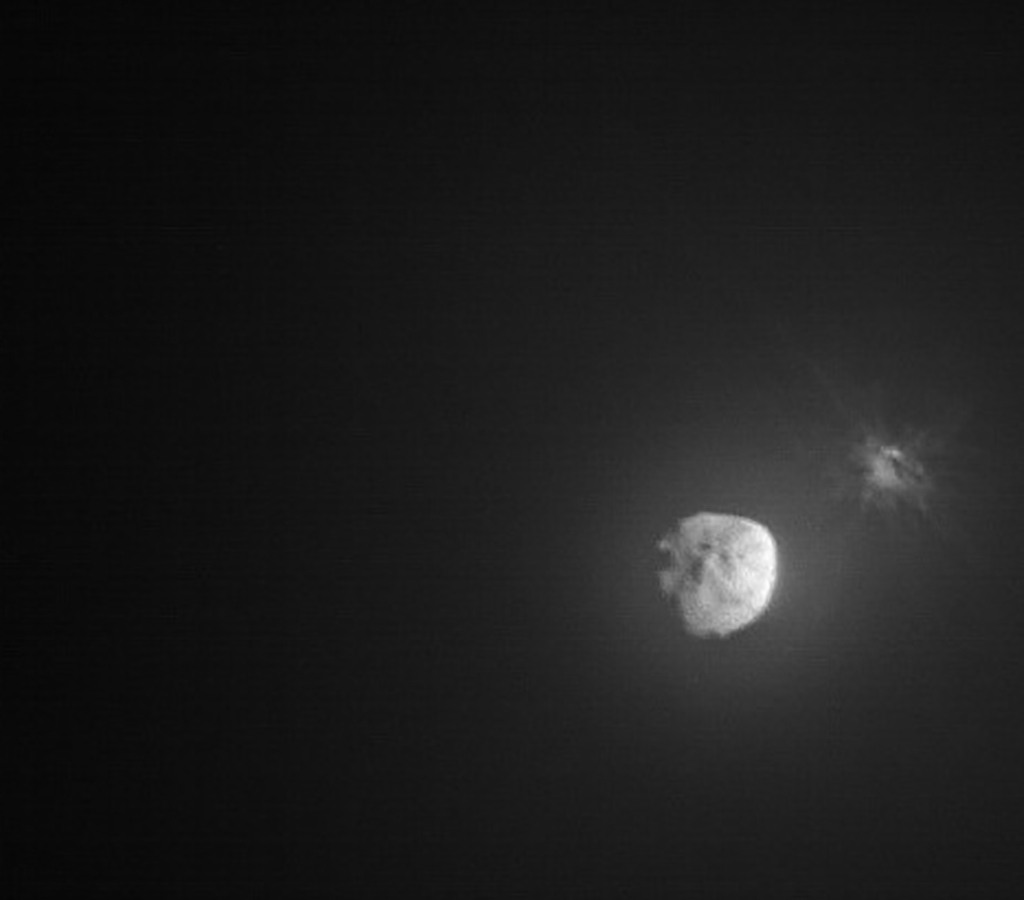
Fifteen days before impact, the DART spacecraft deployed a small companion satellite to document its historic planetary defense technology demonstration. Provided by the Italian Space Agency, the Light Italian CubeSat for Imaging Asteroids, aka LICIACube, recorded this image of the event's aftermath. A cloud... Continue Reading →

School of Medicine researchers and their collaborators have solved a decades-old mystery about how E. coli and other bacteria are able to move. Bacteria push themselves forward by coiling long, threadlike appendages into corkscrew shapes that act as makeshift propellers. But how... Continue Reading →

Nanoengineers at the University of California San Diego have developed microscopic robots, called microrobots, that can swim around in the lungs, deliver medication and be used to clear up life-threatening cases of bacterial pneumonia. In mice, the microrobots safely eliminated... Continue Reading →
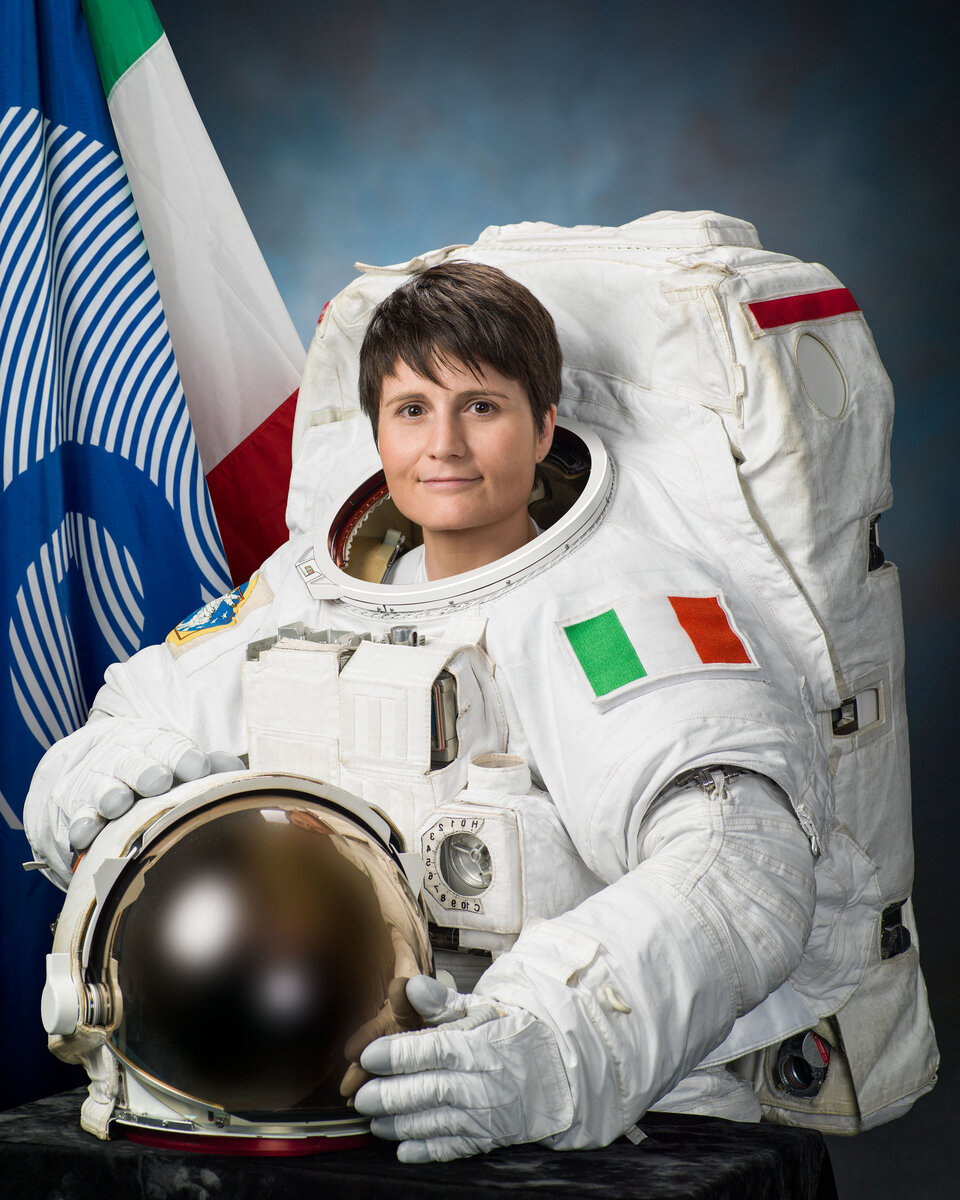
Since beginning her Minerva mission in April 2022, Samantha has served as lead of the United States Orbital Segment (USOS), overseeing activities in the US, European, Japanese and Canadian modules and components of the Station. Upon taking her new role,... Continue Reading →

On Thursday, Sept. 29, at 2:36 a.m. PDT (5:36 a.m. EDT), NASA’s Juno spacecraft will come within 222 miles (358 kilometers) of the surface of Jupiter’s ice-covered moon, Europa. The solar-powered spacecraft is expected to obtain some of the highest-resolution... Continue Reading →

Long-term memories rely on both the repetition of events and an intricate neurological learning process in making these memories last, shows a new study by a team of neuroscientists. Its findings provide a more detailed understanding of how these types... Continue Reading →
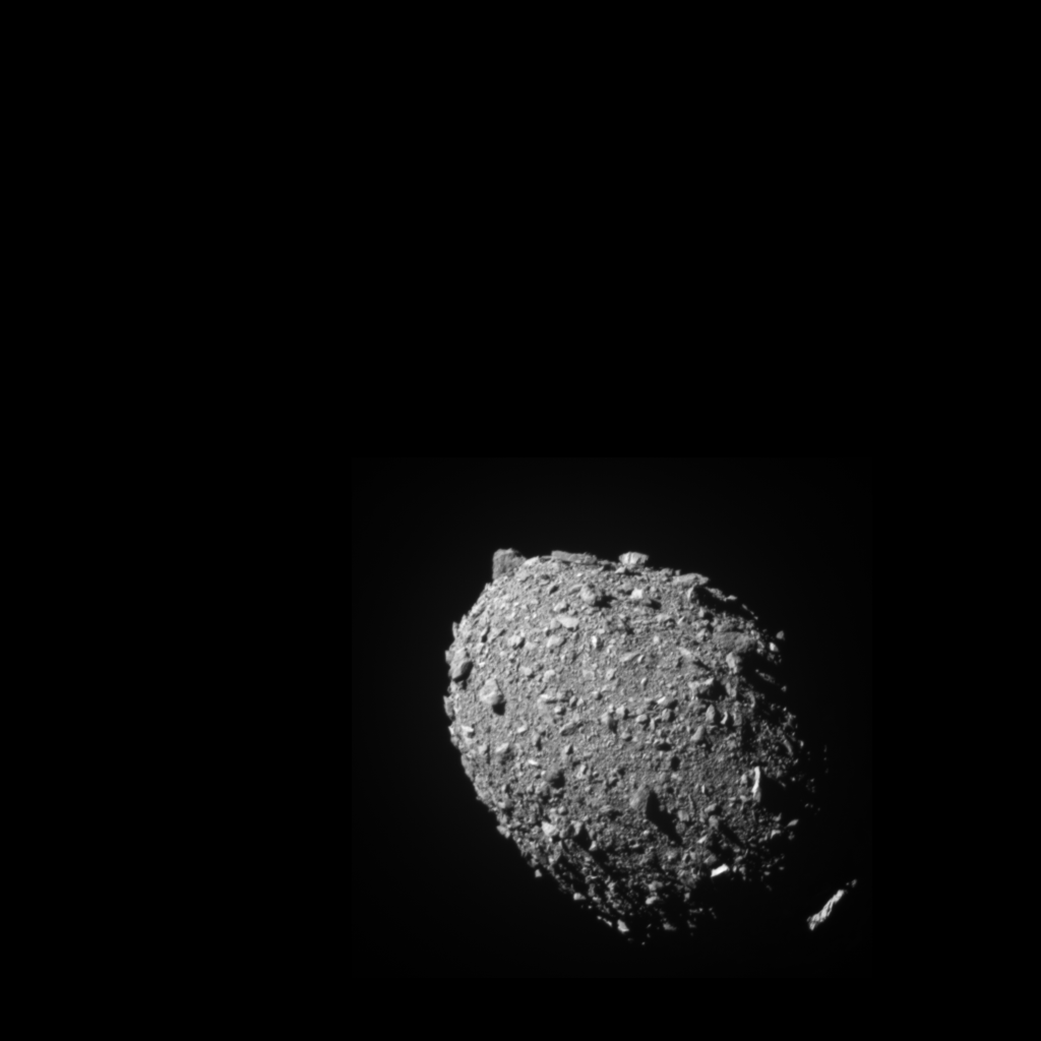
After 10 months flying in space, NASA’s Double Asteroid Redirection Test (DART) – the world’s first planetary defense technology demonstration – successfully impacted its asteroid target on Monday, the agency’s first attempt to move an asteroid in space. Mission control... Continue Reading →

While astronomers have seen the debris from scores of exploded stars in the Milky Way and nearby galaxies, it is often difficult to determine the timeline of the star’s demise. By studying the spectacular remains of a supernova in a neighboring galaxy... Continue Reading →
 Scents of Science