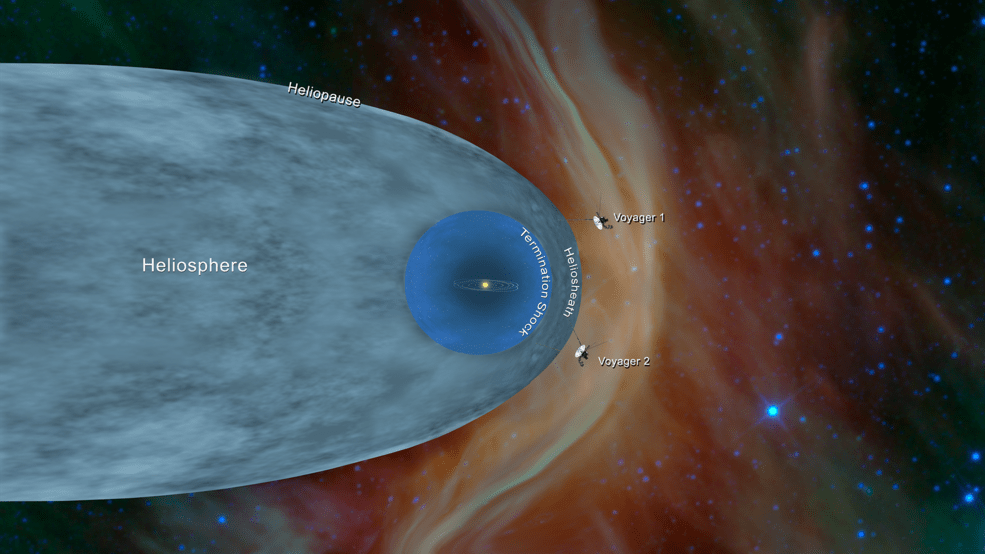
For the second time in history, a human-made object has reached the space between the stars. NASA’s Voyager 2 probe now has exited the heliosphere – the protective bubble of particles and magnetic fields created by the Sun. Voyager 2 now is... Continue Reading →
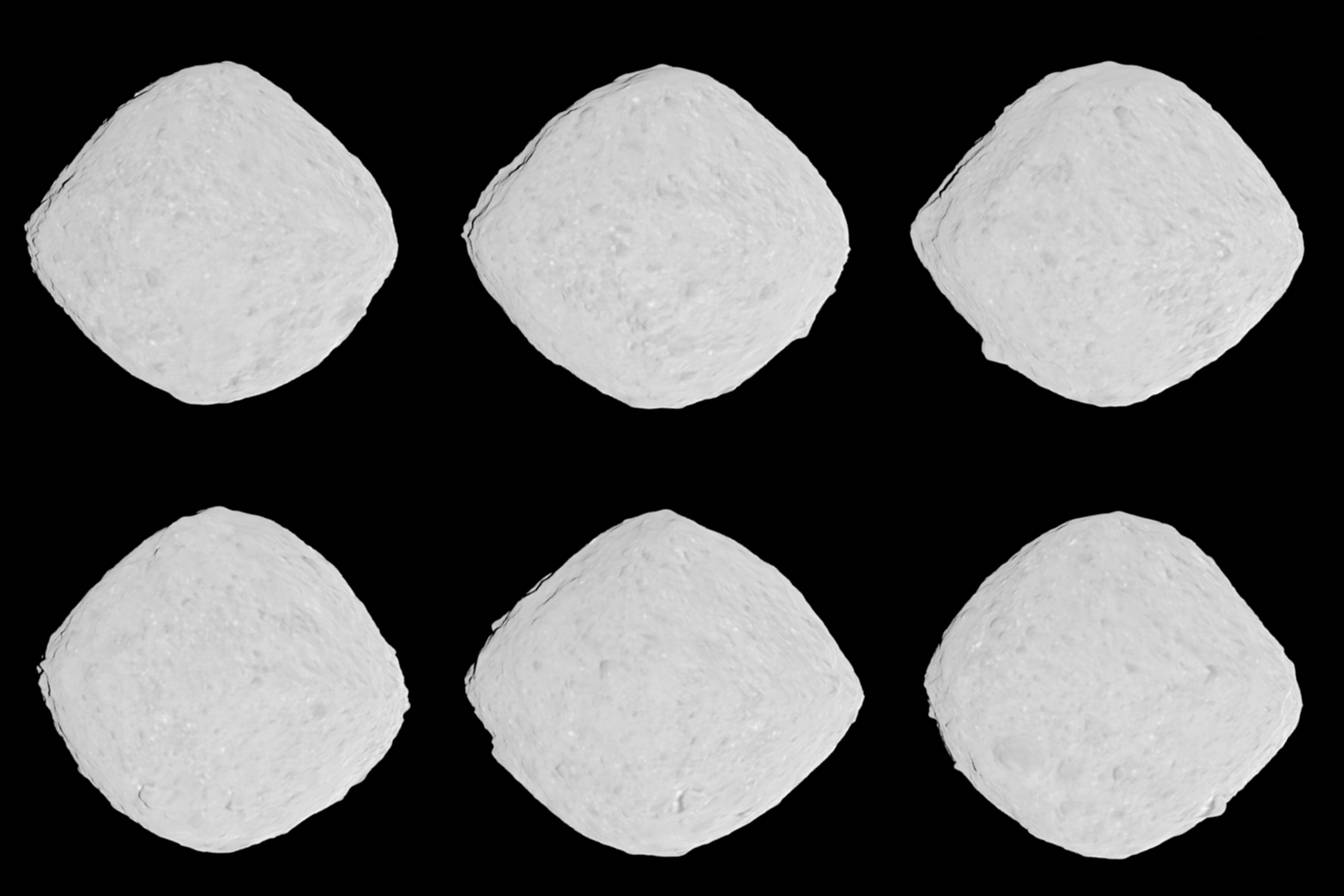
OSIRIS-REx mission recently arrived at its destination, asteroid Bennu. On approach, data from the spacecraft’s spectrometers revealed chemical signatures of water trapped in clay minerals. While Bennu itself is too small to have ever hosted liquid water, the finding indicates... Continue Reading →

Normal function of the brain’s control centers is dependent upon adequate supply of oxygen and nutrients through a dense network of blood vessels. Blood is supplied to the brain, face, and scalp via two major sets of vessels: the right... Continue Reading →
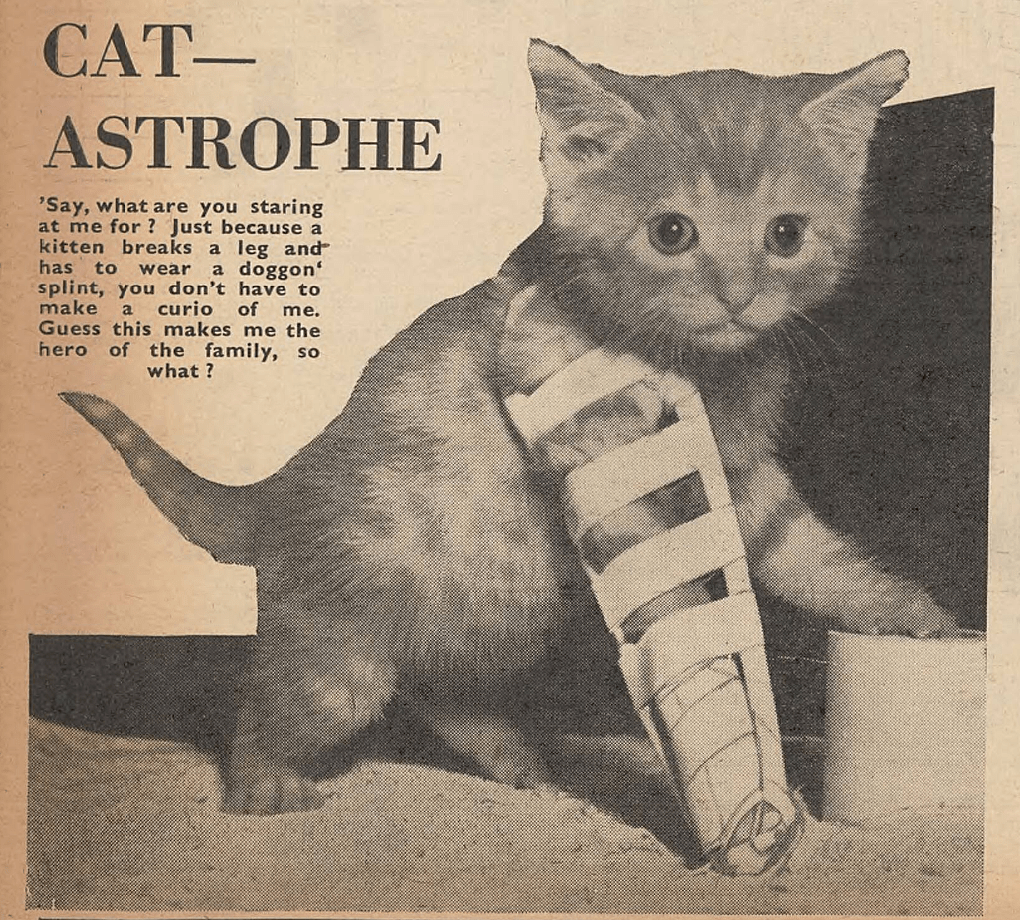

An estimated 50 to 70 million Americans have some type of sleep disorder, according to the National Sleep Foundation. Some turn to melatonin supplements to help them fall asleep. Melatonin is a hormone known to promote sleep, but its underlying... Continue Reading →

Parts of the brain not traditionally associated with learning science become active when people are confronted with solving physics problems, a new study shows. The researchers, led by Eric Brewe, PhD, an associate professor in Drexel University’s College of Arts... Continue Reading →

Gold mining has a long history in Egypt, as ancient artifacts attest. This gold and lapis lazuli bracelet was probably worn by Ramesses II (reign. c.1279-1213 BC) or one of his favorites. The solid gold bangle is composed of two... Continue Reading →

The human brain is an exquisitely complex, organic CPU, made of trillions of connections between many billions of neurons. Understanding such a complicated organ is a massive scientific undertaking, and researchers often use simplified models to uncover small pieces of... Continue Reading →

The use of travelling is to regulate imagination by reality, and instead of thinking how things may be, to see them as they are.
 Scents of Science