
The reason why some people find it so hard to resist finishing an entire bag of chips or bowl of candy may lie with how their brain responds to food rewards, leaving them more vulnerable to overeating. In a study... Continue Reading →
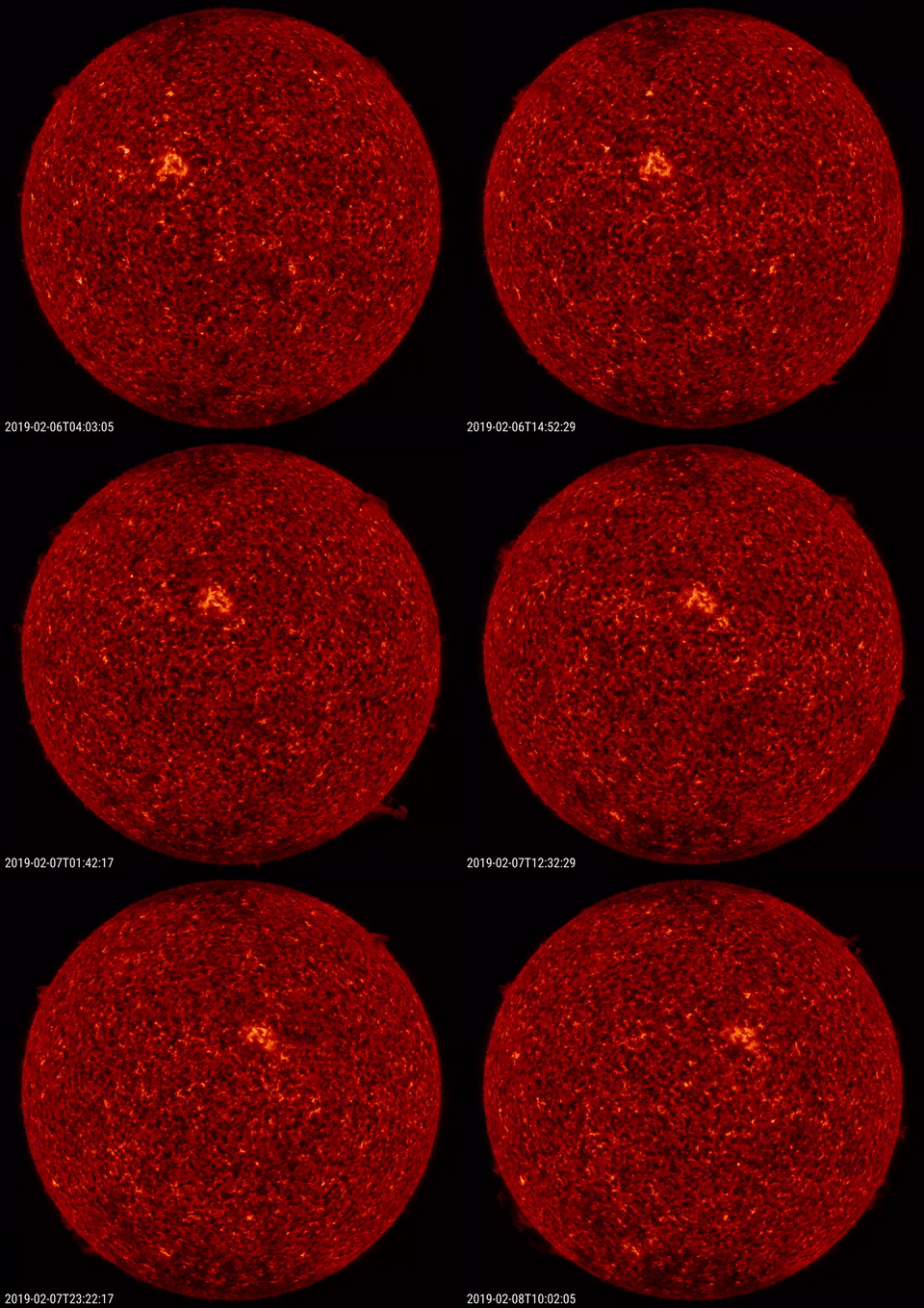
The SDO spacecraft is in another eclipse season as of Feb. 6, 2019. This begins a several week period when the Earth briefly blocks SDO’s view of the Sun each day. In fact, because SDO orbits above the Mountain Time... Continue Reading →

A growing collection of anecdotal stories raises the possibility that nerve injury in an arm or a leg can act as a trigger for the development amyotrophic lateral sclerosis, or ALS -- a progressive neurodegenerative disease also known as Lou... Continue Reading →
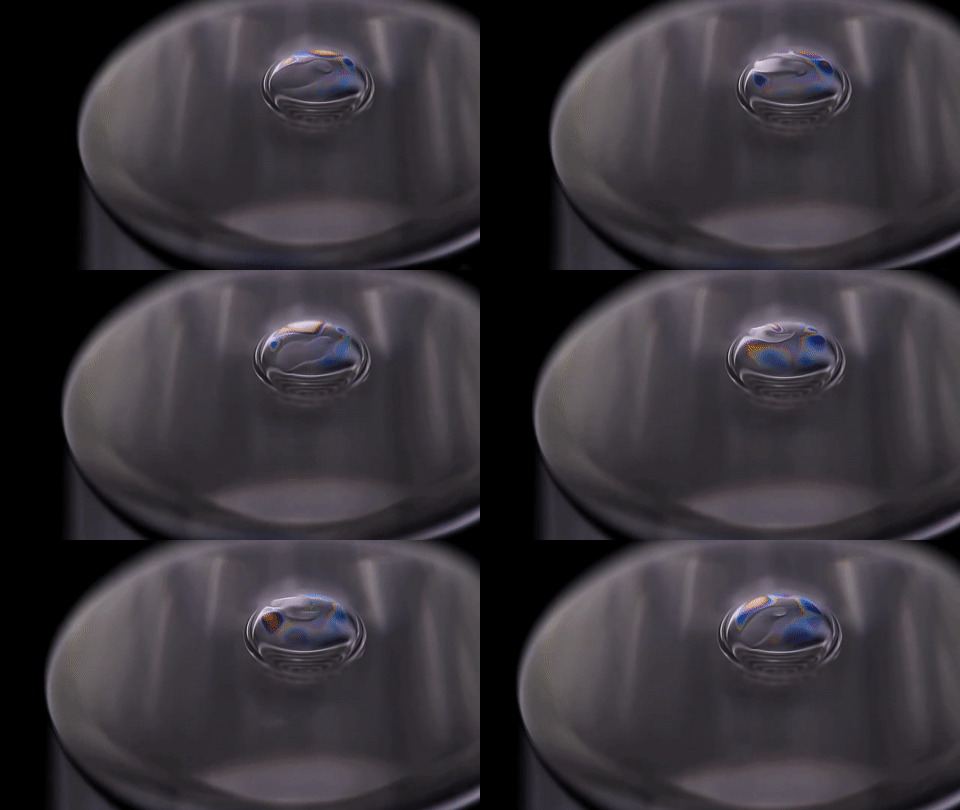
Bubbles don’t stick around in pure water. Surfactants are needed to stabilize the thin liquid film for longer than the blink of an eye. But that’s not necessarily the case for other liquids. As the video below shows, a bubble in isopropyl... Continue Reading →

Scientists have discovered a “Big Bang” of Alzheimer’s disease – the precise point at which a healthy protein becomes toxic but has not yet formed deadly tangles in the brain. A study from UT Southwestern’s O’Donnell Brain Institute provides novel... Continue Reading →
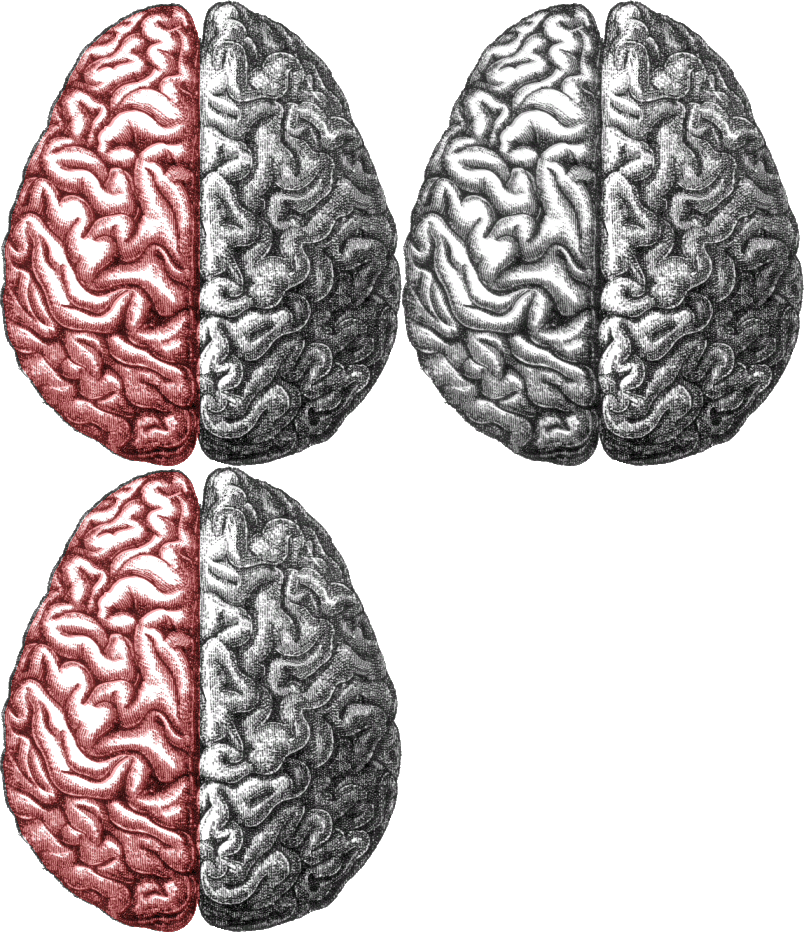
Nerve cells in the brain region planum temporale have more synapses in the left hemisphere than in the right hemisphere – which is vital for rapid processing of auditory speech, according to the report published by researchers from Ruhr-Universität Bochum... Continue Reading →
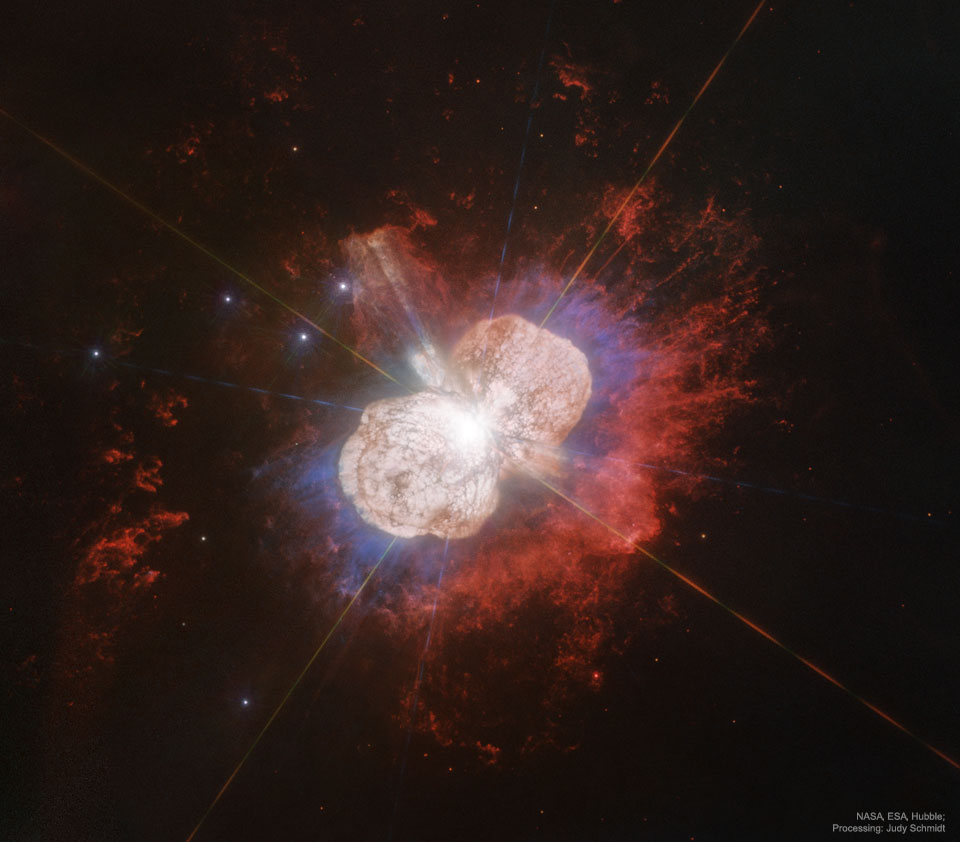
Eta Carinae may be about to explode. But no one knows when - it may be next year, it may be one million years from now. Eta Carinae's mass - about 100 times greater than our Sun - makes it an excellent candidate... Continue Reading →
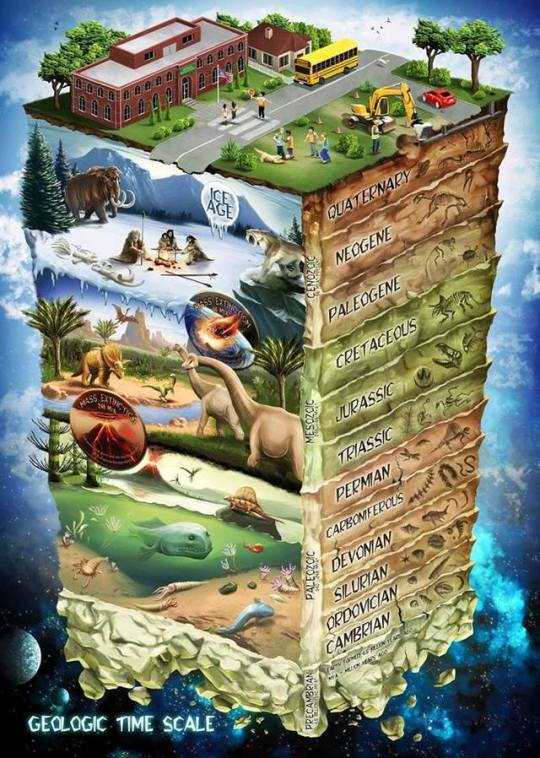
The geologic time scale (GTS) is a system of chronological dating that relates geological strata (stratigraphy) to time. It is used by geologists, paleontologists, and other Earth scientists to describe the timing and relationships of events that have occurred during Earth's history. Know more:https://www.geosociety.org/GSA/Education_Careers/Geologic_Time_Scale/GSA/timescale/home.aspx

For some people, certain sounds like a trumpet blowing a particular tone can make them dizzy, and it’s not because they’re giddy from a Wynton Marsalis melody. It has been estimated that 1 in 100 people around the world have... Continue Reading →
 Scents of Science