
What do birds do during a total solar eclipse? Darkness descends more quickly in a total eclipse than during sunset, but returns just as quickly -- and perhaps unexpectedly to the avians -- just a few minutes later. Stories about the unusual... Continue Reading →

G.E. Moore (1873-1958) was a British philosopher (seen center here), who alongside Bertrand Russell and Ludwig Wittgenstein in the early twentieth century at Cambridge University, was a key protagonist in the formation of the analytic tradition during the twentieth century. ... Continue Reading →

These little guys manage to get just about everywhere, thanks in part to their amazing ability to stay windborne for up to 150 km! To do that, the dandelion uses a bristly umbrella of tiny filaments, known as a pappus,... Continue Reading →
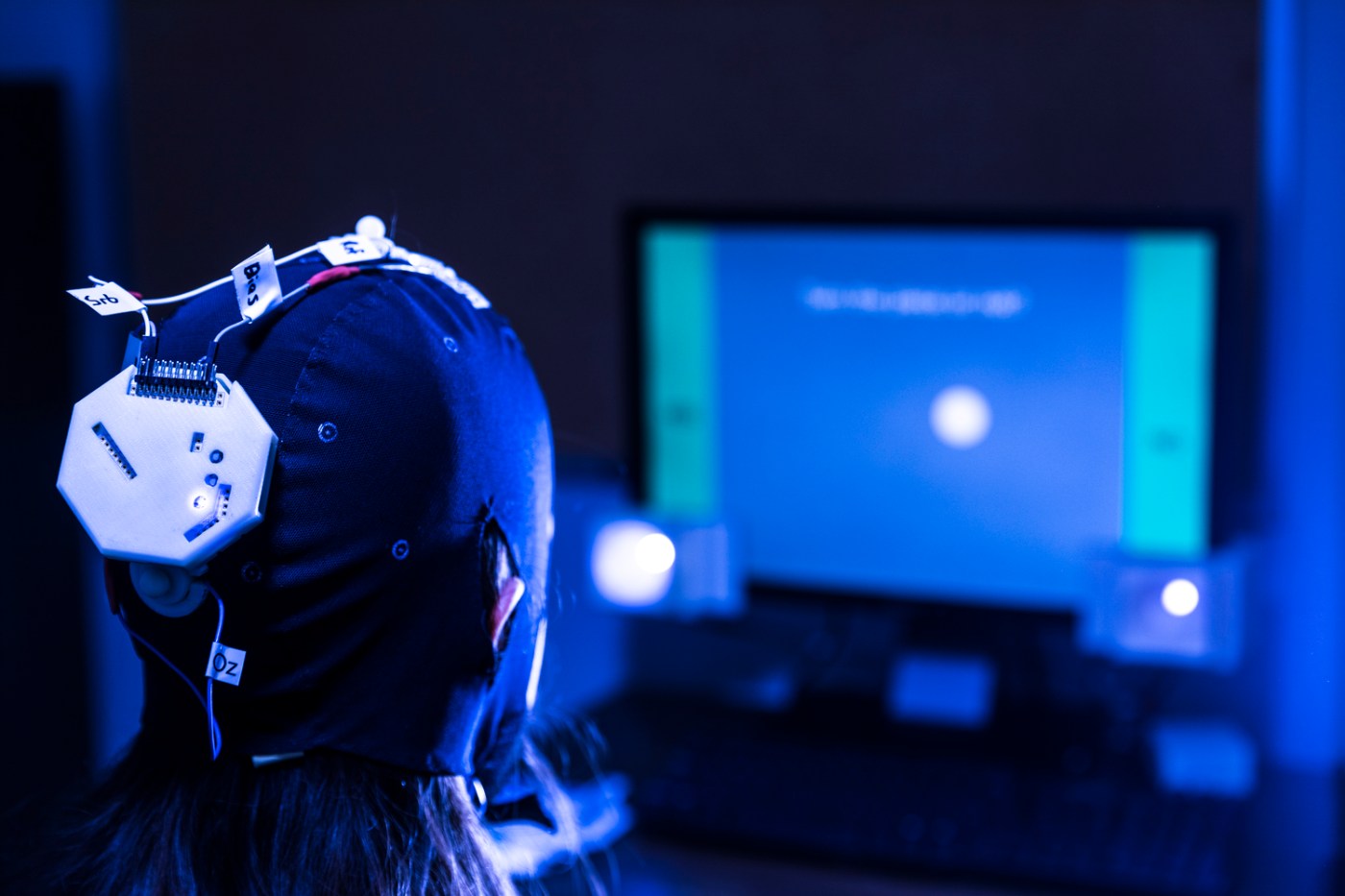
Telepathic communication might be one step closer to reality thanks to new research from the University of Washington. A team created a method that allows three people to work together to solve a problem using only their minds. In BrainNet,... Continue Reading →

Machine enhanced humans -- or cyborgs as they are known in science fiction -- could be one step closer to becoming a reality, thanks to new research Lieber Group at Harvard University, as well as scientists from University of Surrey... Continue Reading →

You never really understand a person until you consider things from his point of view... Until you climb inside of his skin and walk around in it. H. Lee

Blame junk food or a lack of exercise. But long before the modern obesity epidemic, evolution made us fat too. "We're the fat primates," said Devi Swain-Lenz, a postdoctoral associate in biology at Duke University. The fact that humans are... Continue Reading →
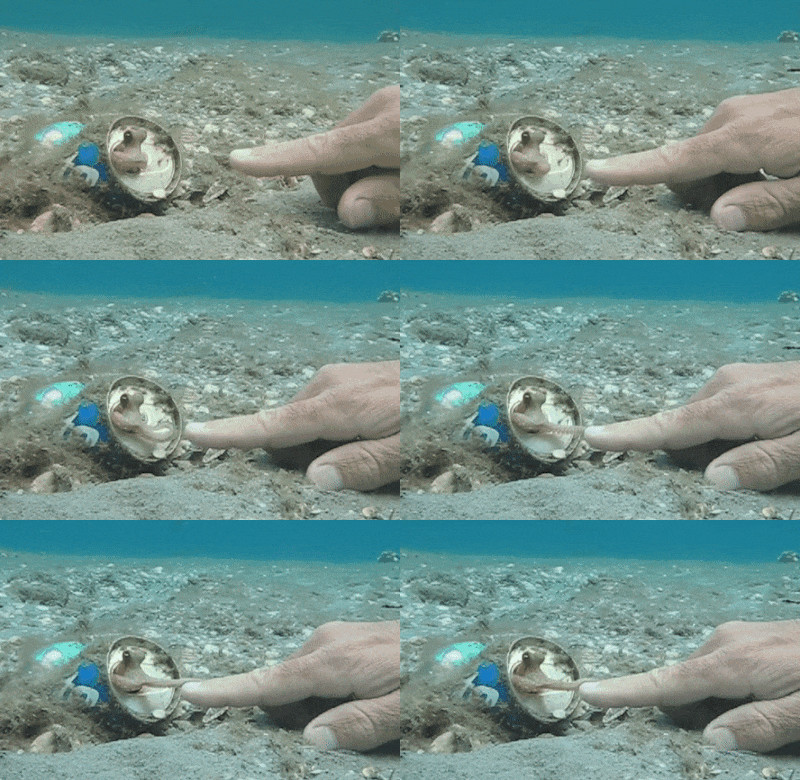
Researchers studying the behavior and neuroscience of octopuses have long suspected that the animals' arms may have minds of their own. A new model being presented in Bellevue, Washington State, is the first attempt at a comprehensive representation of information... Continue Reading →

Scientists have discovered how plants create networks of air channels -- the lungs of the leaf -- to transport carbon dioxide (CO2) to their cells. Botanists have known since the 19th century that leaves have pores -- called stomata --... Continue Reading →
 Scents of Science