
Cold shock proteins are stress proteins that are activated by cold exposure. They’ve been reported in a wide range of organisms, from bacteria to amphibians to humans. A major function of these proteins is to help organisms cope with cold stress and... Continue Reading →
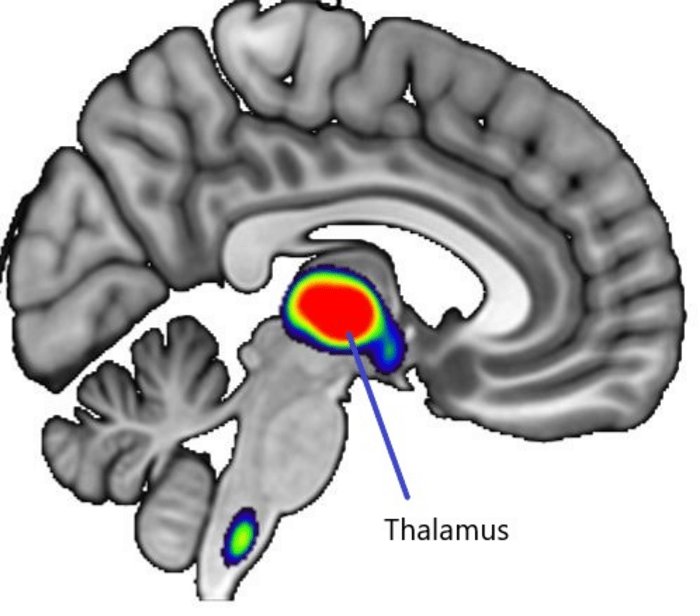
A dose of nicotine, equivalent to that found in a single cigarette blocks estrogen production in women’s brains. This may explain several behavioural differences in women who smoke, including why they are more resistant than men to quitting smoking. This... Continue Reading →

People who include a little yoga or tai chi in their day may be more likely to remember where they put their keys. Researchers at the University of California, Irvine and Japan's University of Tsukuba found that even very light... Continue Reading →

By the second trimester, long before a baby's eyes can see images, they can detect light. But the light-sensitive cells in the developing retina -- the thin sheet of brain-like tissue at the back of the eye -- were thought... Continue Reading →
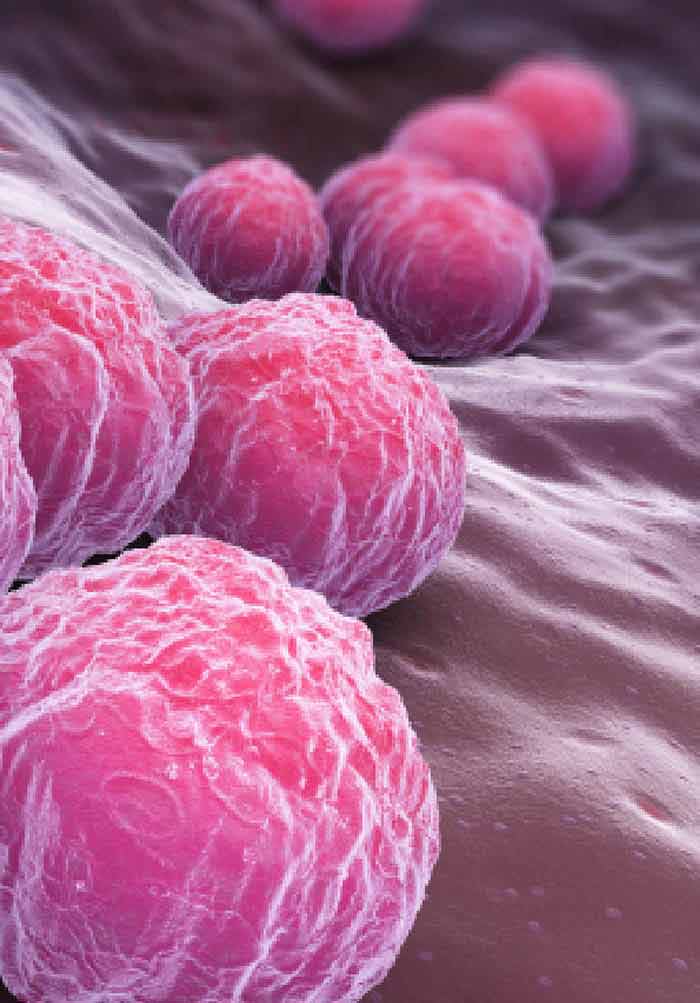
Researchers at the University of Waterloo have developed a new way to prevent and treat Chlamydia, the most common sexually transmitted bacterial infection in the world. The new treatment differs from the traditional anti-biotic treatment as it is a type... Continue Reading →

Depending on your genetic make-up, you might be able to drink coffee right before bed or feel wired after just one cup, ongoing research shows. In previous work, Marilyn Cornelis, assistant professor in preventive medicine at Northwestern University Feinberg School... Continue Reading →

Most women experience hot flashes and night sweats either before or during menopause, but a significant minority don’t have these symptoms. Could our genes be a factor in determining which women get hot flashes? A team of UCLA-led researchers may... Continue Reading →
 Scents of Science