
Every new year arrives like an unopened door. We stand before it with plans, doubts, and quiet hopes, wondering who we might become if we step forward with intention. New Year’s resolutions don’t have to be loud or perfect; sometimes... Continue Reading →
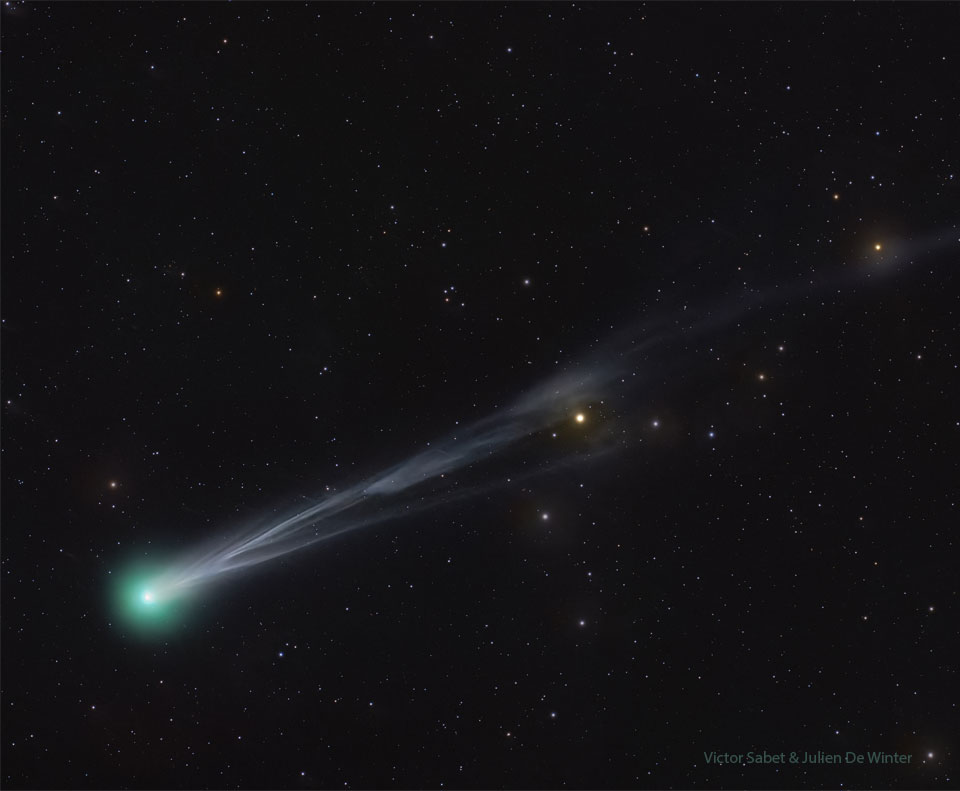
Comet Lemmon is brightening and moving into morning northern skies. Besides Comet SWAN25B and Comet ATLAS, Comet C/2025 A6 (Lemmon) is now the third comet currently visible with binoculars and on long camera exposures. Comet Lemmon was discovered early this year and is still headed into the... Continue Reading →
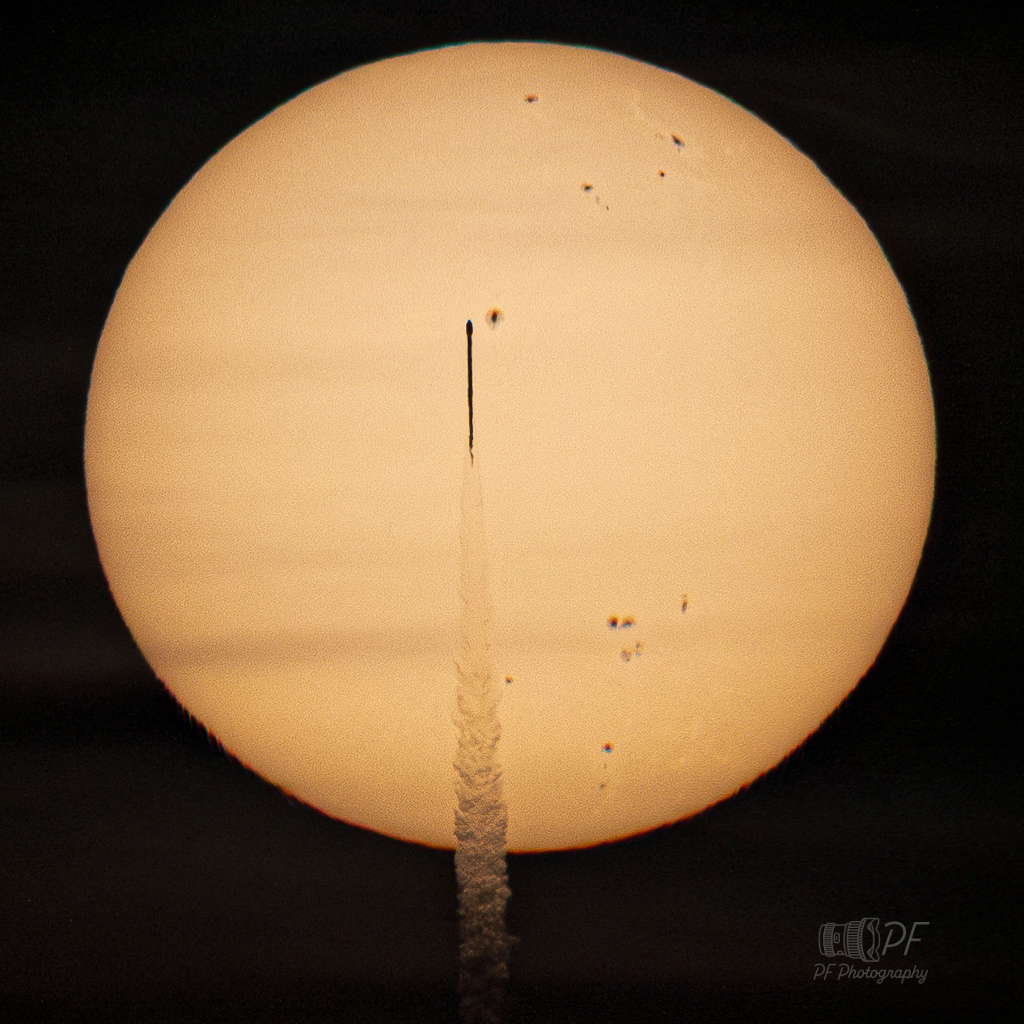
On the morning of September 24 a rocket crosses the bright solar disk in this long range telescopic snapshot captured from Orlando, Florida. That's about 50 miles north of its Kennedy Space Center launch site. This rocket carried three new space... Continue Reading →
What causes us to sleep? The answer may lie not only in our brains, but in their complex interplay with the micro-organisms spawned in our intestines. New research from Washington State University suggests a new paradigm in understanding sleep, demonstrating... Continue Reading →
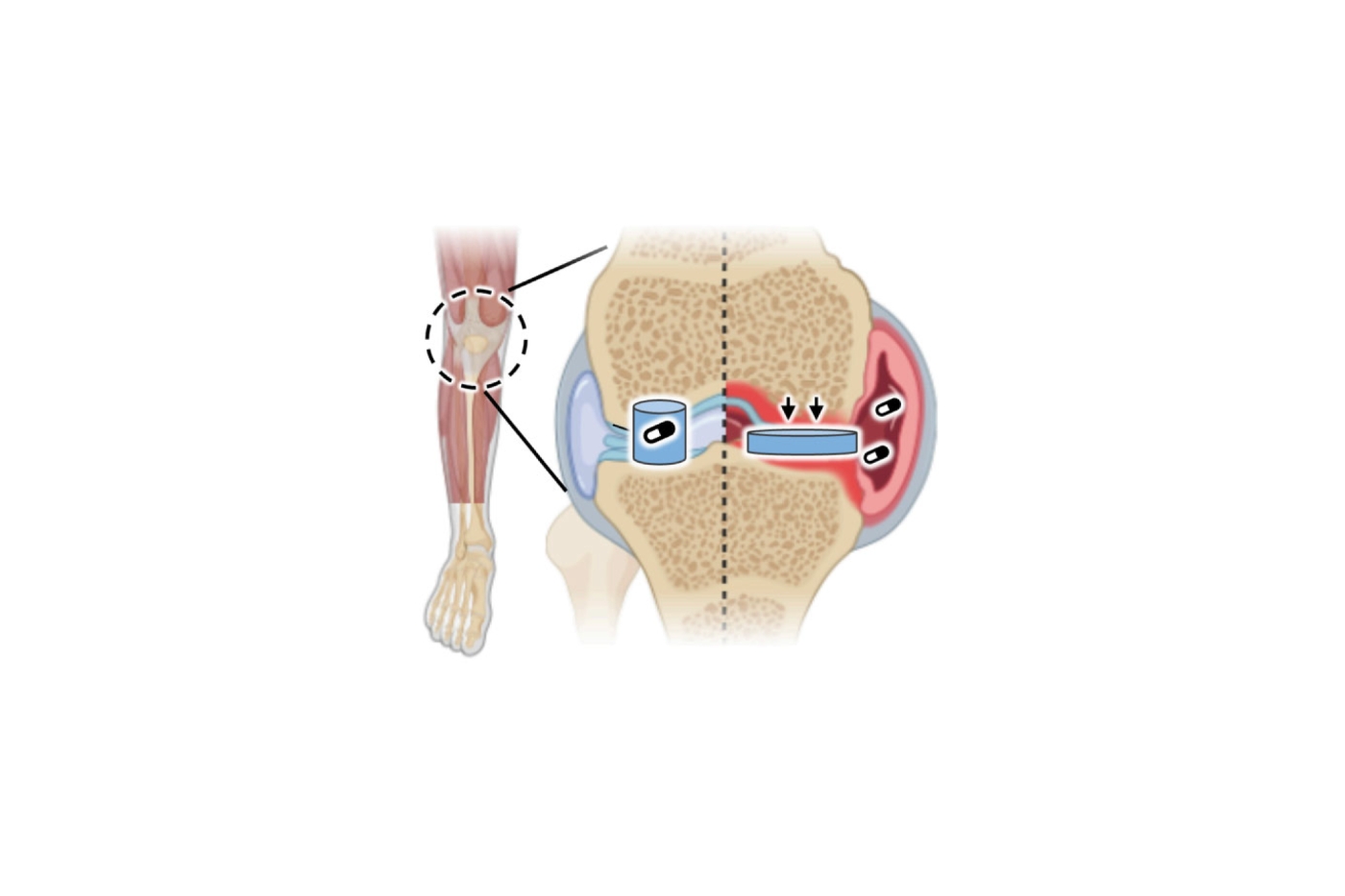
Researchers have developed a material that can sense tiny changes within the body, such as during an arthritis flare-up, and release drugs exactly where and when they are needed. The squishy material can be loaded with anti-inflammatory drugs that are... Continue Reading →
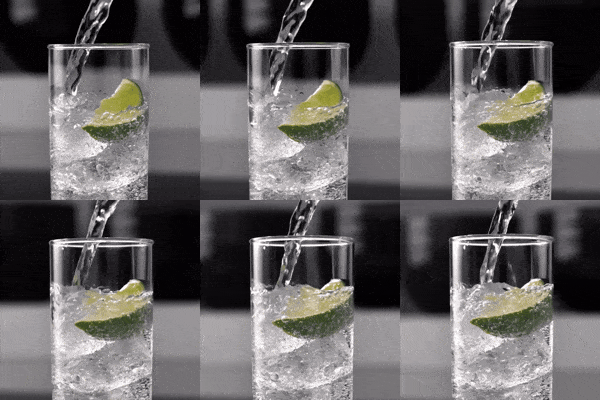
Drinking too little water could increase our vulnerability to stress-related health issues, according to a new study from scientists at LJMU. People who drink less than the recommended daily fluid intake experience a greater stress hormone response, which is associated... Continue Reading →

As infants, humans naturally learn new words and their associations -- like the fact that forks are related to bowls because both are used to consume food. In a study published in the Cell Press journal Current Biology on September 18, a... Continue Reading →
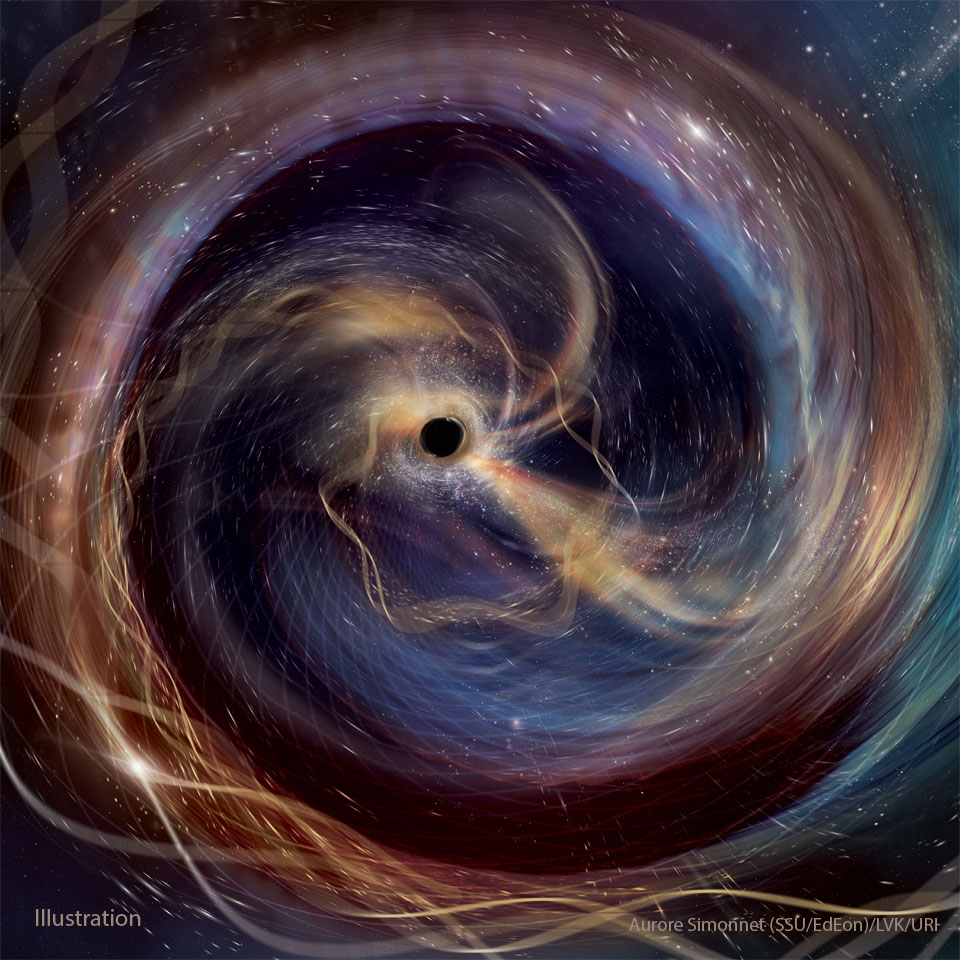
It was the strongest gravitational wave signal yet measured -- what did it show? GW250114 was detected by both arms of the Laser Interferometer Gravitational-wave Observatory (LIGO) in Washington and Louisiana USA earlier this year. Analysis showed that the event was created when two black holes, each of mass around... Continue Reading →
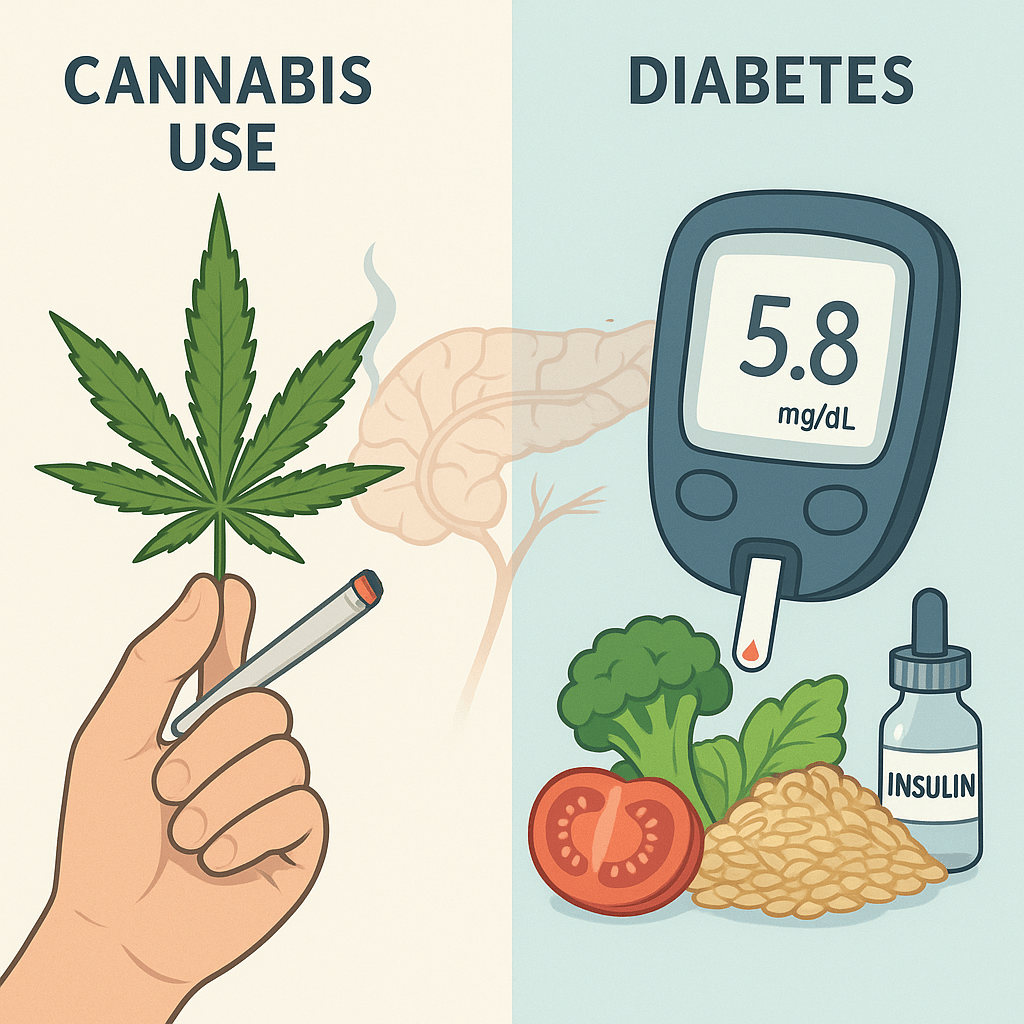
Cannabis use is linked to an almost quadrupling in the risk of developing diabetes, according to an analysis of real-world data from over 4 million adults, being presented at this year’s Annual Meeting of The European Association for the Study... Continue Reading →
 Scents of Science