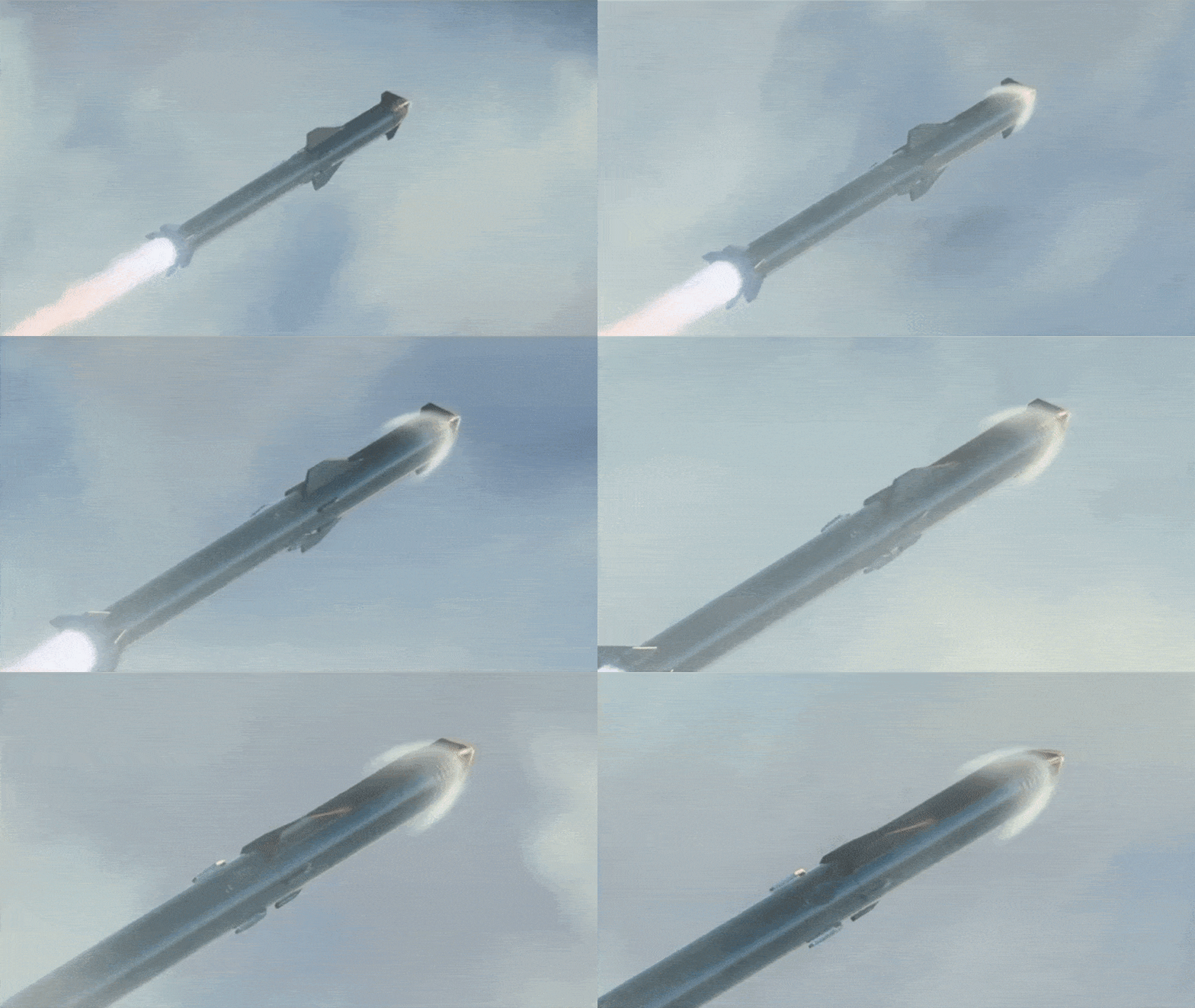
Starship successfully lifted off from the orbital launch pad for the first time, yesterday at 8:33 a.m. CT. The vehicle cleared the pad and beach as Starship climbed to an apogee of ~39 km over the Gulf of Mexico –... Continue Reading →

The Super Pressure Balloon Imaging Telescope (SuperBIT) that launched on a scientific super pressure balloon April 16, 2023, local time from Wānaka, New Zealand, captured its first research images from this flight of the Tarantula Nebula and Antennae Galaxies. These images were... Continue Reading →
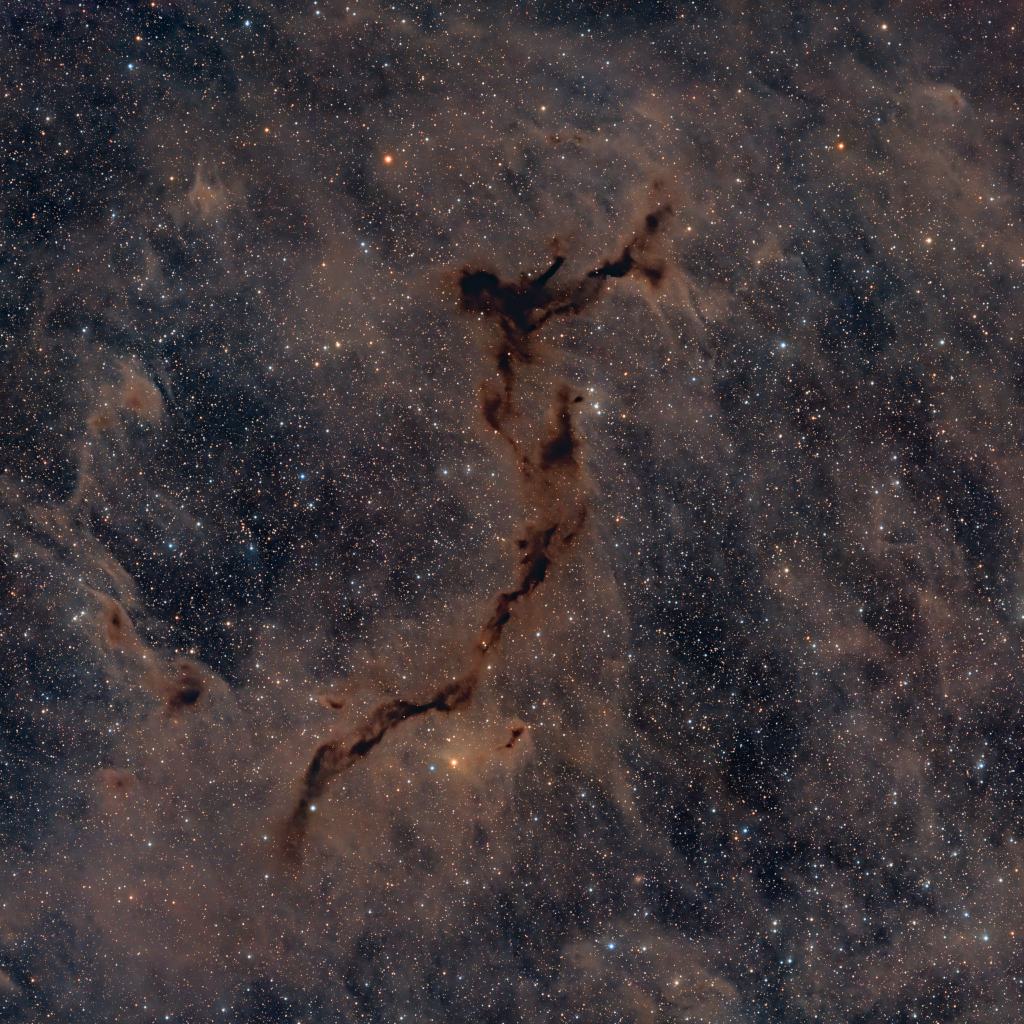
Spanning light-years, this suggestive shape known as the Seahorse Nebula appears in silhouette against a rich, luminous background of stars. Seen toward the royal northern constellation of Cepheus, the dusty, obscuring clouds are part of a Milky Way molecular cloud some 1,200... Continue Reading →

As NASA builds a blueprint for human exploration throughout the solar system for the benefit of humanity, the agency released Tuesday the outcomes from its first Architecture Concept Review, a robust analysis process designed to align NASA’s Moon to Mars exploration... Continue Reading →

Would you like to see a total eclipse of the Sun? If so, do any friends or relatives live near the path of next April's eclipse? If yes again, then you might want to arrange a well-timed visit. Next April 8, the... Continue Reading →

ESA’s Jupiter Icy Moons Explorer (Juice) has taken its first monitoring camera images showing part of the spacecraft with Earth as a stunning backdrop. The mission launched on an Ariane 5 from Europe’s Spaceport in Kourou on 14 April 14:14 CEST and... Continue Reading →

Shining like a brilliant beacon amidst a sea of galaxies, Arp 220 lights up the night sky in this view from NASA’s James Webb Space Telescope. Actually two spiral galaxies in the process of merging, Arp 220 glows brightest in infrared... Continue Reading →

The large stellar association cataloged as NGC 206 is nestled within the dusty arms of the neighboring Andromeda galaxy along with the galaxy's pinkish star-forming regions. Also known as M31, the spiral galaxy is a mere 2.5 million light-years away. NGC 206 is found right of... Continue Reading →

On Feb. 22, 1971, a sounding rocket lifted off from Wallops Island, Virginia, with specialized sensors aimed at the Crab Nebula, a bright cosmic object 6,500 light-years away. In those days, before recovering physical tapes from the experiment, scientists first... Continue Reading →
 Scents of Science