
Near the center of this sharp cosmic portrait, at the heart of the Orion Nebula, are four hot, massive stars known as the Trapezium. Gathered within a region about 1.5 light-years in radius, they dominate the core of the dense Orion Nebula... Continue Reading →

There are 88 star patterns known as constellations that are recognized by astronomers and the International Astronomical Union. The constellations are, technically, regions the sky is divided into in order to help with identifying where objects are located on the sky.... Continue Reading →

Can a rocket make the Moon ripple? No, but it can make a background moon appear wavy. The rocket, in this case, was a SpaceX Falcon Heavy that blasted off from NASA's Kennedy Space Center last week. In the featured launch picture, the rocket's exhaust plume glows beyond... Continue Reading →

Why is this jellyfish swimming in a sea of stars? Drifting near bright star Eta Geminorum, seen at the right, the Jellyfish Nebula extends its tentacles from the bright arcing ridge of emission left of center. In fact, the cosmic jellyfish is part of bubble-shaped supernova... Continue Reading →
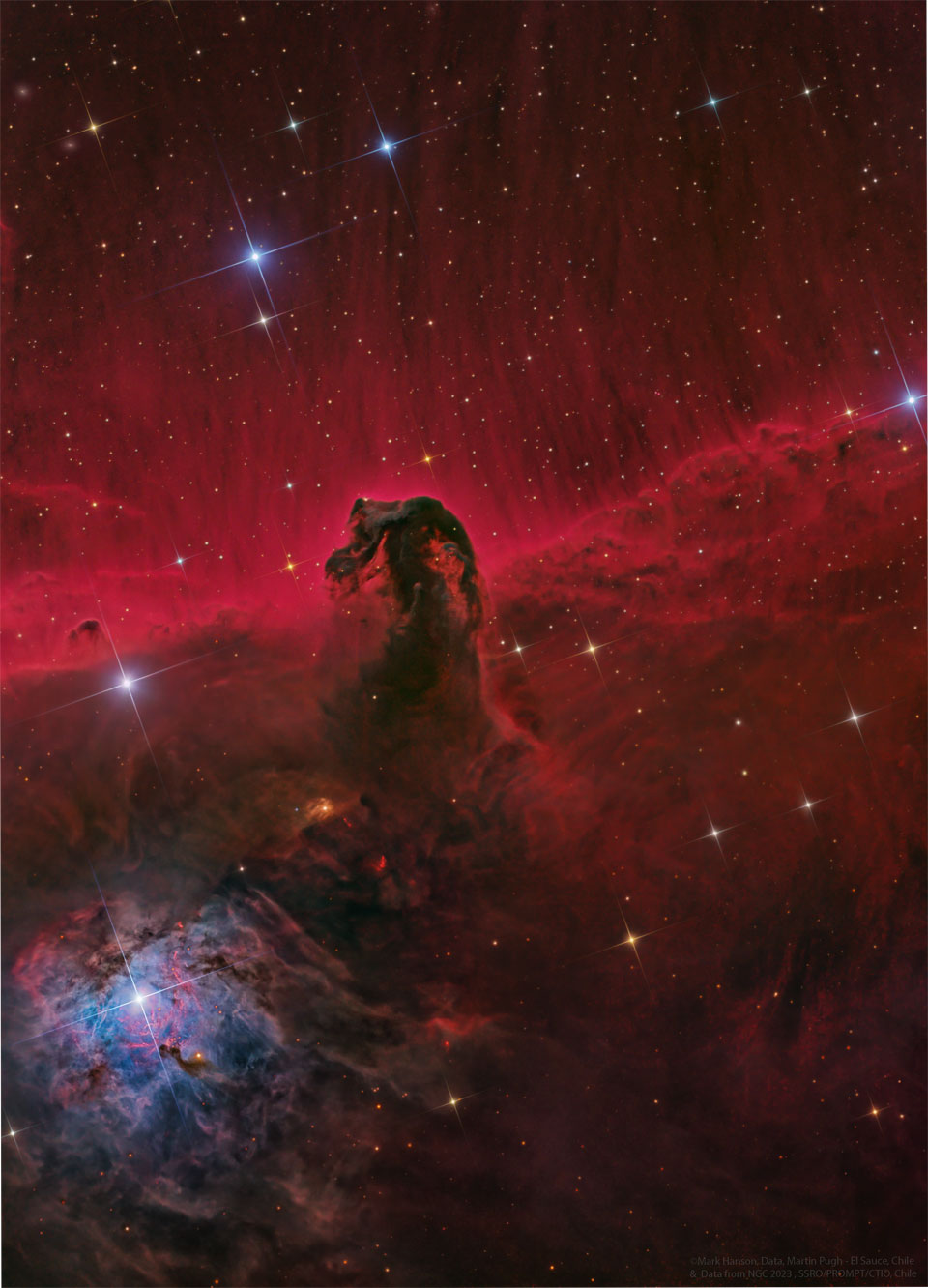
Sculpted by stellar winds and radiation, a magnificent interstellar dust cloud by chance has assumed this recognizable shape. Fittingly named the Horsehead Nebula, it is some 1,500 light-years distant, embedded in the vast Orion cloud complex. About five light-years "tall," the dark cloud is cataloged as Barnard... Continue Reading →
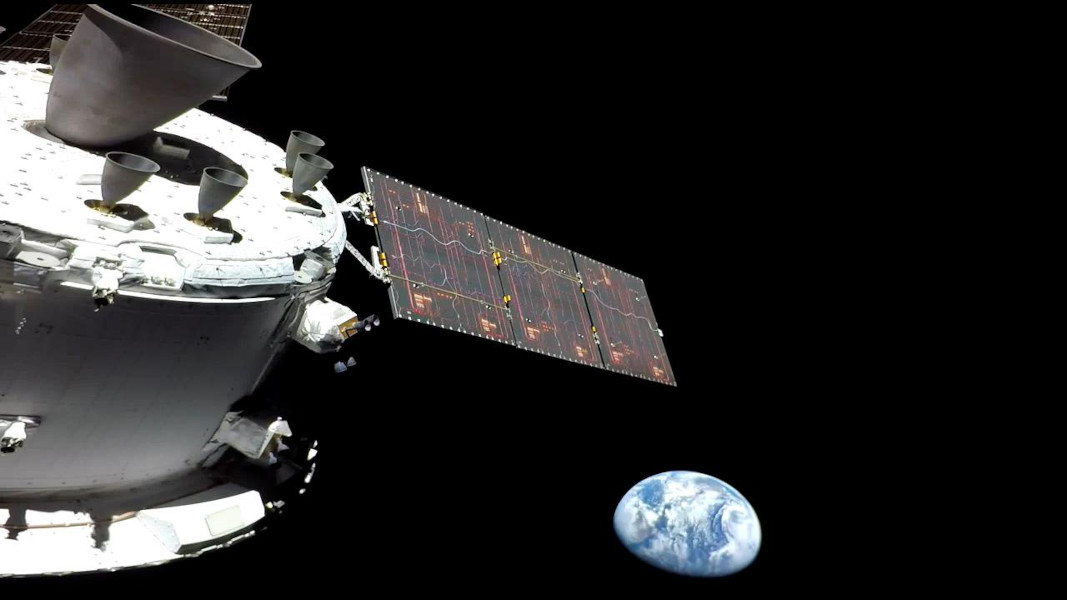
One year ago a Space Launch System rocket left planet Earth on November 16, 2022 at 1:47am EST carrying the Orion spacecraft on the Artemis I mission, the first integrated test of NASA’s deep space exploration systems. Over an hour after liftoff from Kennedy... Continue Reading →
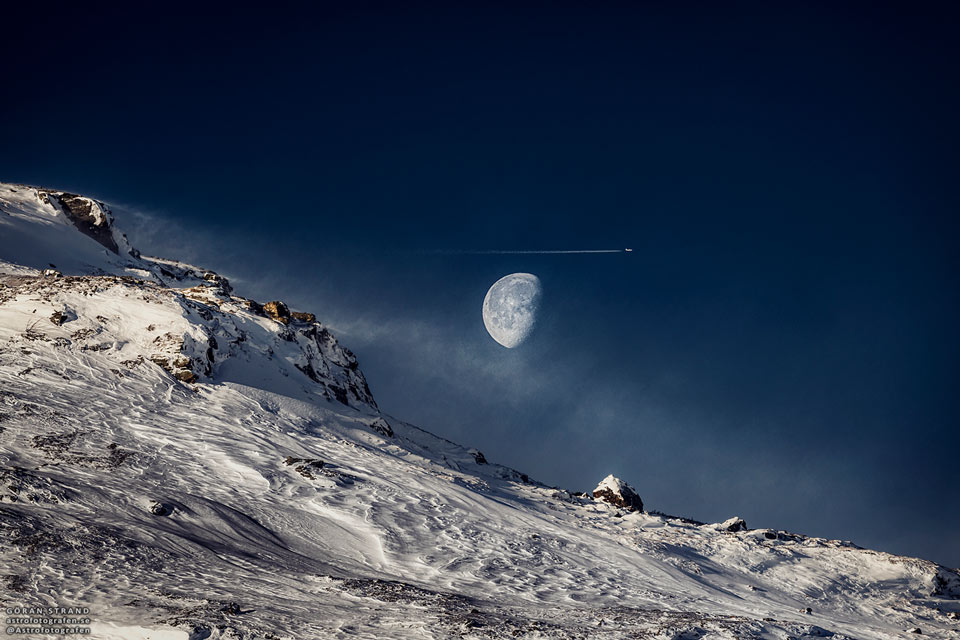
This is a gibbous Moon. More Earthlings are familiar with a full moon, when the entire face of Luna is lit by the Sun, and a crescent moon, when only a sliver of the Moon's face is lit. When more than half of the Moon is illuminated, though,... Continue Reading →

A solar flare is a tremendous explosion on the Sun that happens when energy stored in 'twisted' magnetic fields (usually above sunspots) is suddenly released. In a matter of just a few minutes they heat material to many millions of... Continue Reading →

Does this nebula look like the head of a witch? The nebula is known popularly as the Witch Head Nebula because, it is said, the nebula's shape resembles a Halloween-style caricature of a witch's head. Exactly how, though, can be a topic of imaginative... Continue Reading →
 Scents of Science