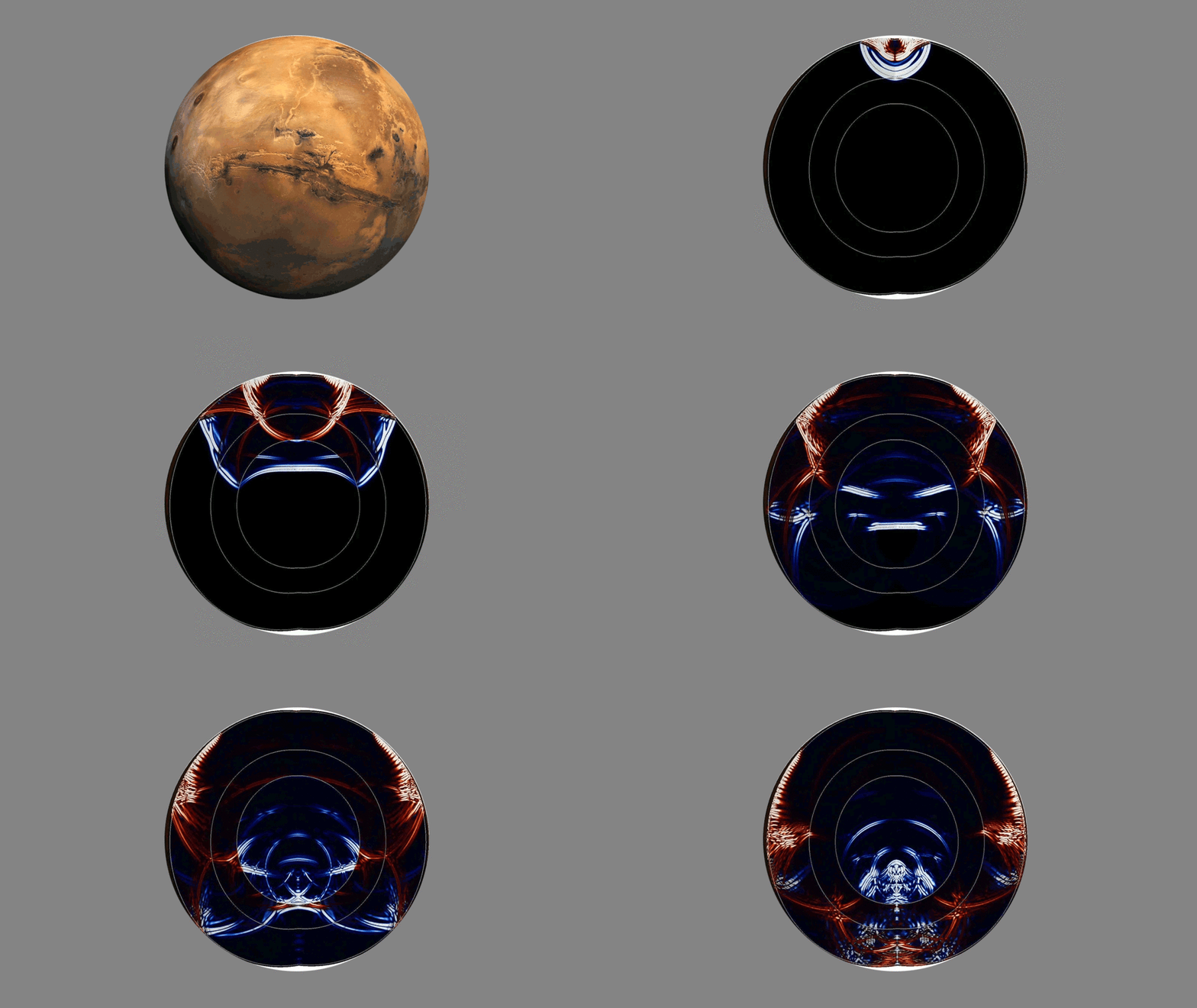
Earth isn't the only place that experiences quakes: Both the Moon and Mars have them as well. NASA sent the first seismometer to the Moon 50 years ago, during the Apollo 11 mission; the agency's InSight lander brought the first... Continue Reading →
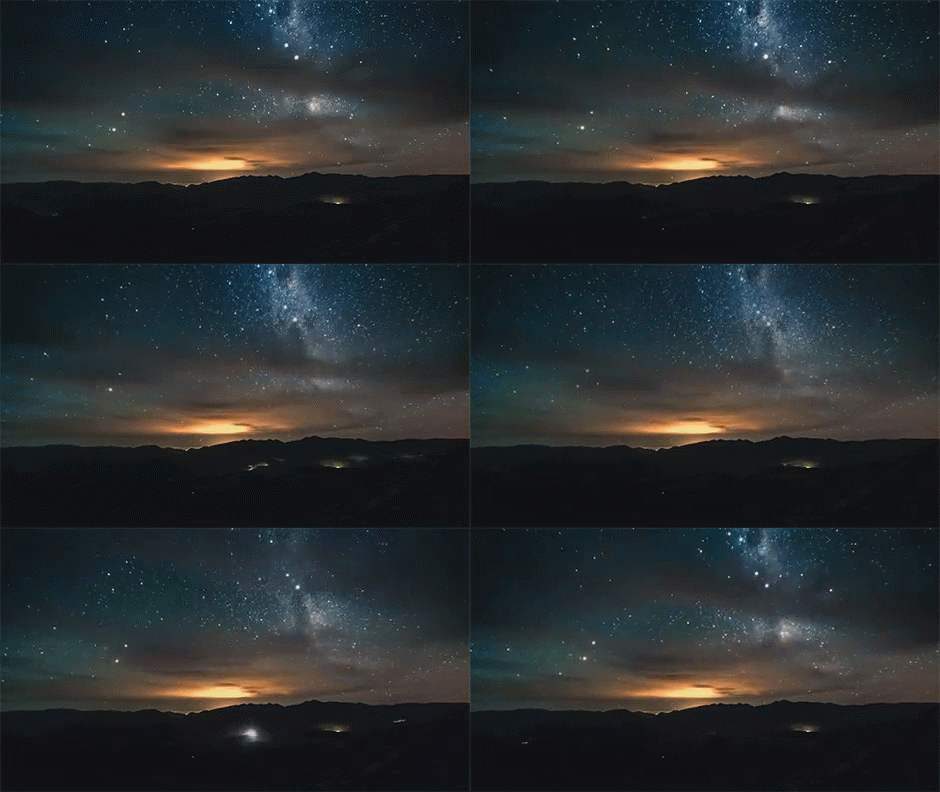
The universe 13,000 million years ago was very different from the universe we know today. It is understood that stars were forming at a very rapid rate, forming the first dwarf galaxies, whose mergers gave rise to the more massive... Continue Reading →
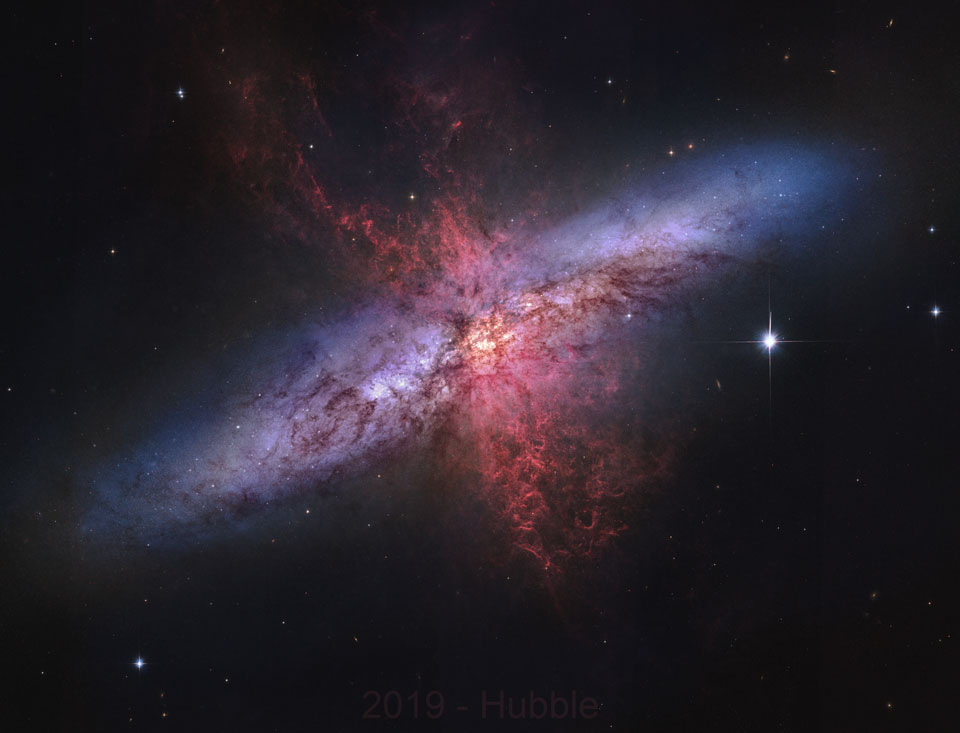
Why is the Cigar Galaxy billowing red smoke? M82, as this starburst galaxy is also known, was stirred up by a recent pass near large spiral galaxy M81. This doesn't fully explain the source of the red-glowing outwardly expanding gas and dust, however. Evidence indicates that this gas and dust is being... Continue Reading →
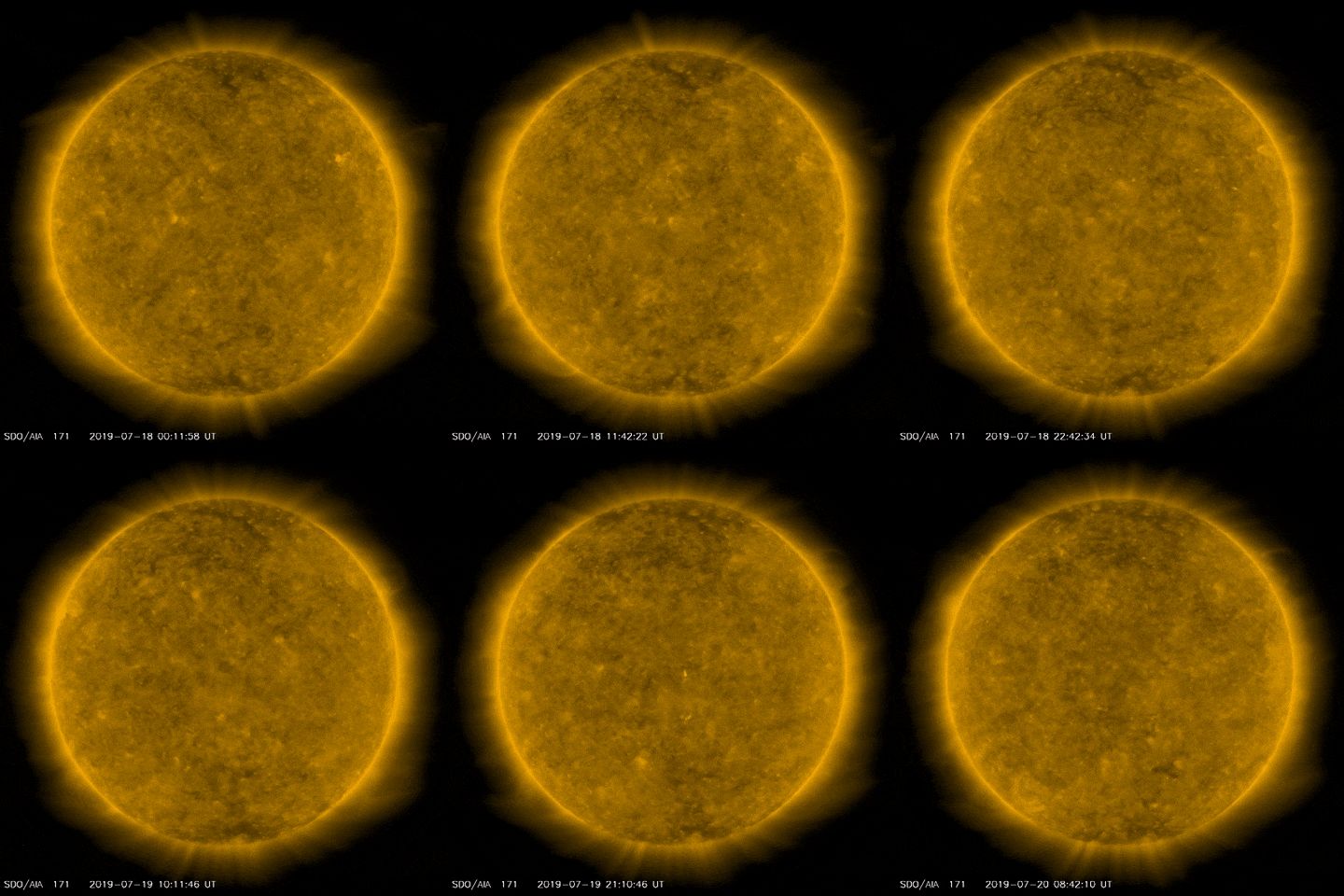
The solar cycle is a rhythmic waxing and waning of the number of sunspots on the Sun. There are about 11 years between the times when the sunspot number is the greatest. We now know that the solar cycle is... Continue Reading →

Like the International Space Station, the Gateway will be a permanent and changeable human outpost. Instead of circling our planet however, it will orbit the Moon, acting as a base for astronauts and robots exploring the lunar surface. The Gateway concept Like... Continue Reading →
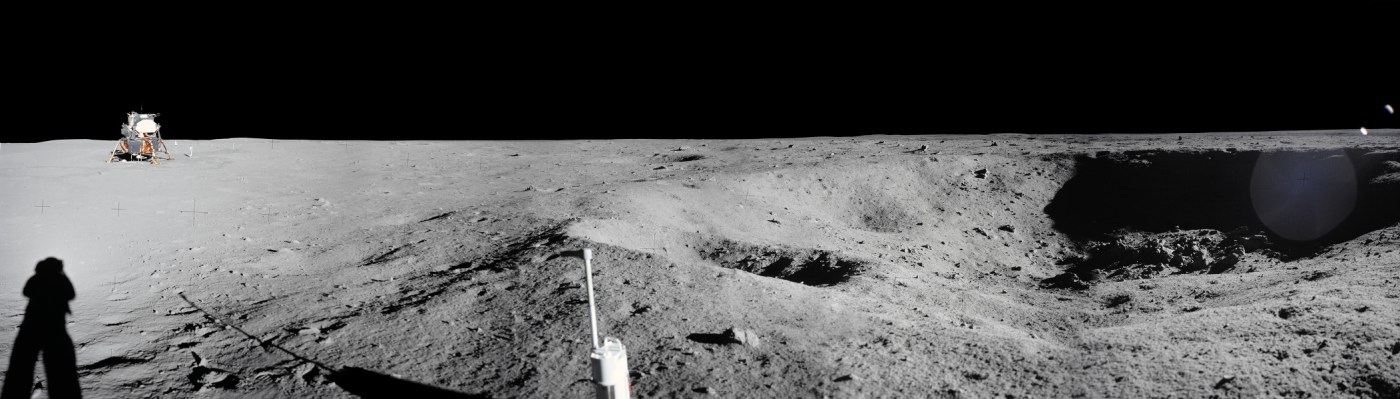
On July 20, 1969 the Apollo 11 lunar module Eagle safely touched down on the Moon. It landed near the southwestern corner of the Moon's Mare Tranquillitatis at a landing site dubbed Tranquility Base. This panoramic view of Tranquility Base was constructed from the historic photos... Continue Reading →

As if black holes weren't mysterious enough, astronomers using NASA's Hubble Space Telescope have found an unexpected thin disk of material furiously whirling around a supermassive black hole at the heart of the magnificent spiral galaxy NGC 3147, located 130... Continue Reading →
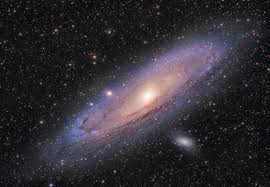
Supercomputer simulations of galaxies have shown that Einstein's theory of General Relativity might not be the only way to explain how gravity works or how galaxies form. Physicists at Durham University, UK, simulated the cosmos using an alternative model for... Continue Reading →
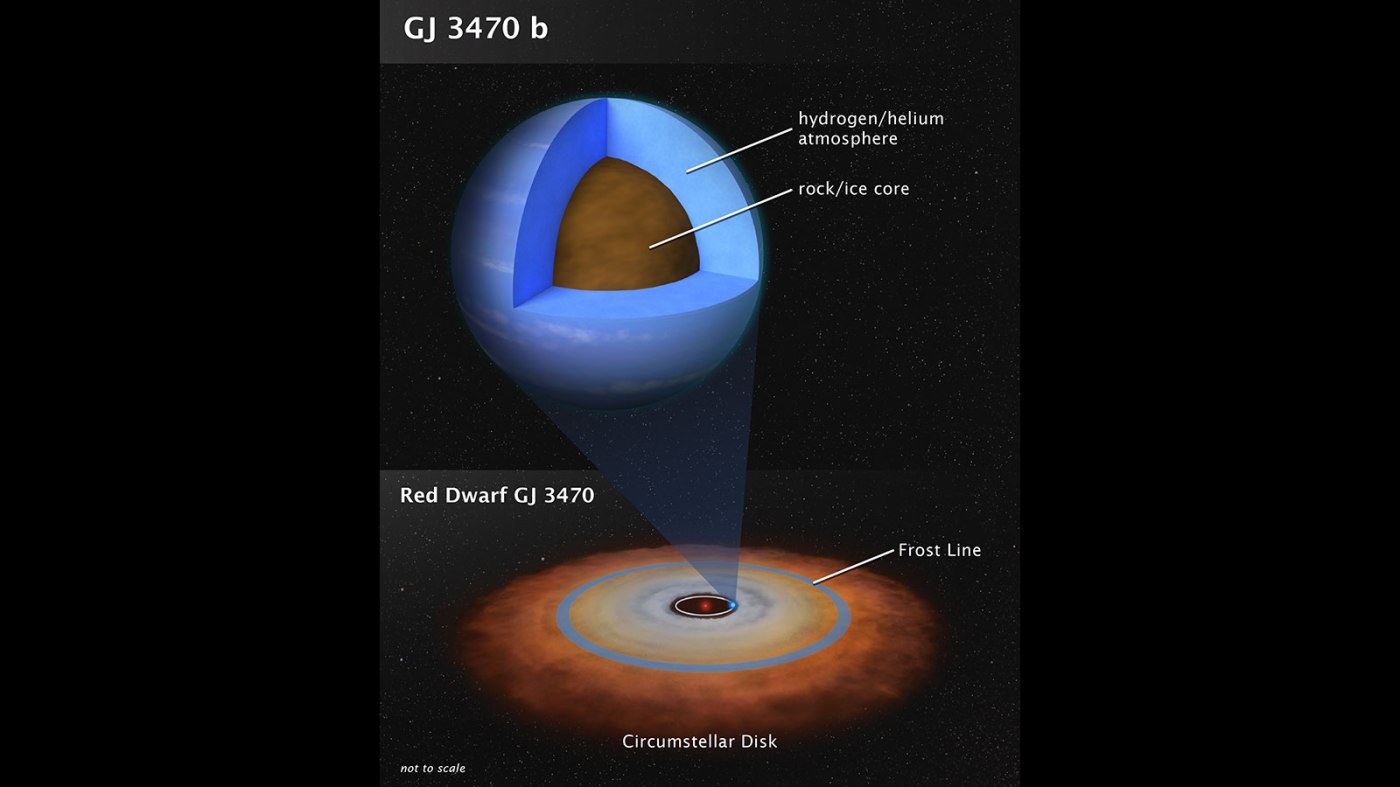
Two NASA space telescopes have teamed up to identify, for the first time, the detailed chemical "fingerprint" of a planet between the sizes of Earth and Neptune. No planets like this can be found in our own solar system, but... Continue Reading →
 Scents of Science