
University students and researchers working on a NASA mission orbiting a near-Earth asteroid have made an unexpected detection of a phenomenon 30 thousand light years away. Last fall, the student-built Regolith X-Ray Imaging Spectrometer (REXIS) onboard NASA’s OSIRIS-REx spacecraft detected... Continue Reading →
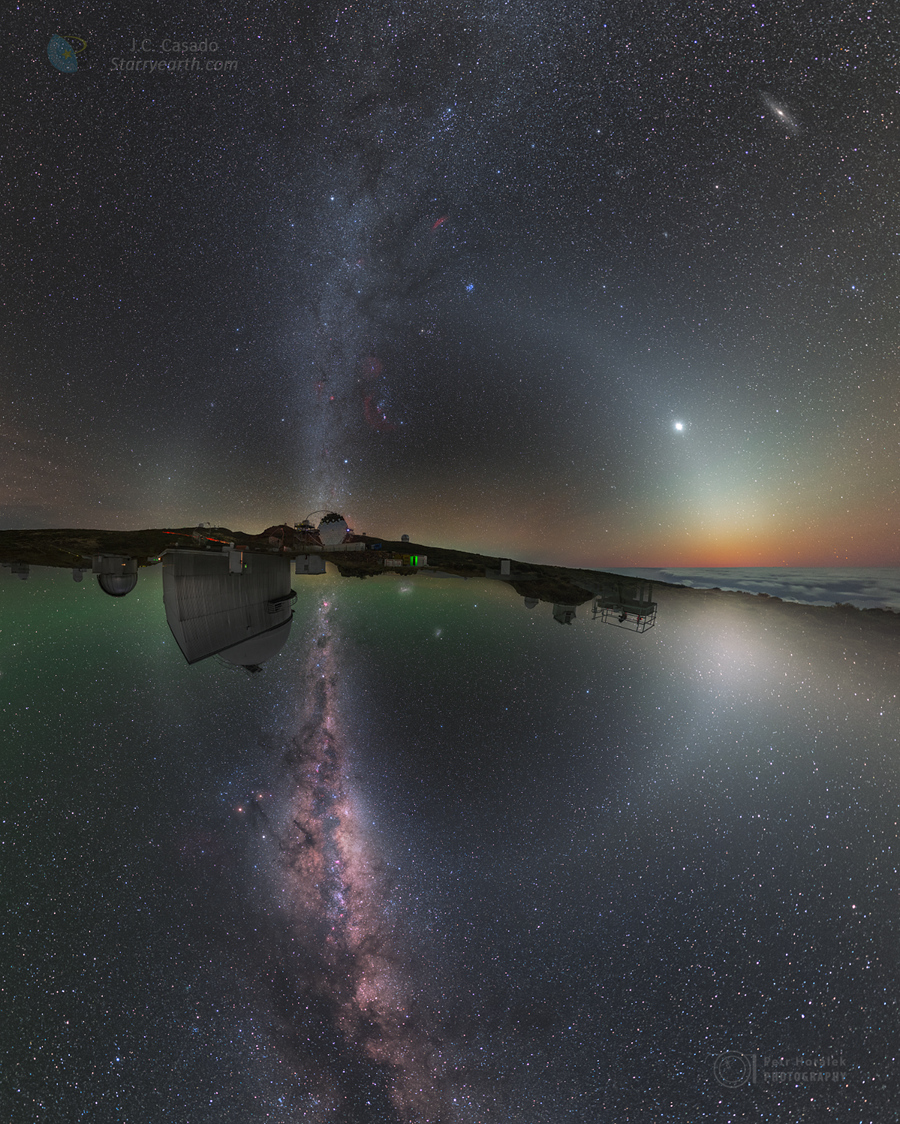
The Sun is hidden by a horizon that runs across the middle in this two hemisphere view of Earth's night sky. The digitally stitched mosaics were recorded from corresponding latitudes, one 29 degrees north and one 29 degrees south of the... Continue Reading →

Most ordinary matter is held together by an invisible subatomic glue known as the strong nuclear force -- one of the four fundamental forces in nature, along with gravity, electromagnetism, and the weak force. The strong nuclear force is responsible... Continue Reading →
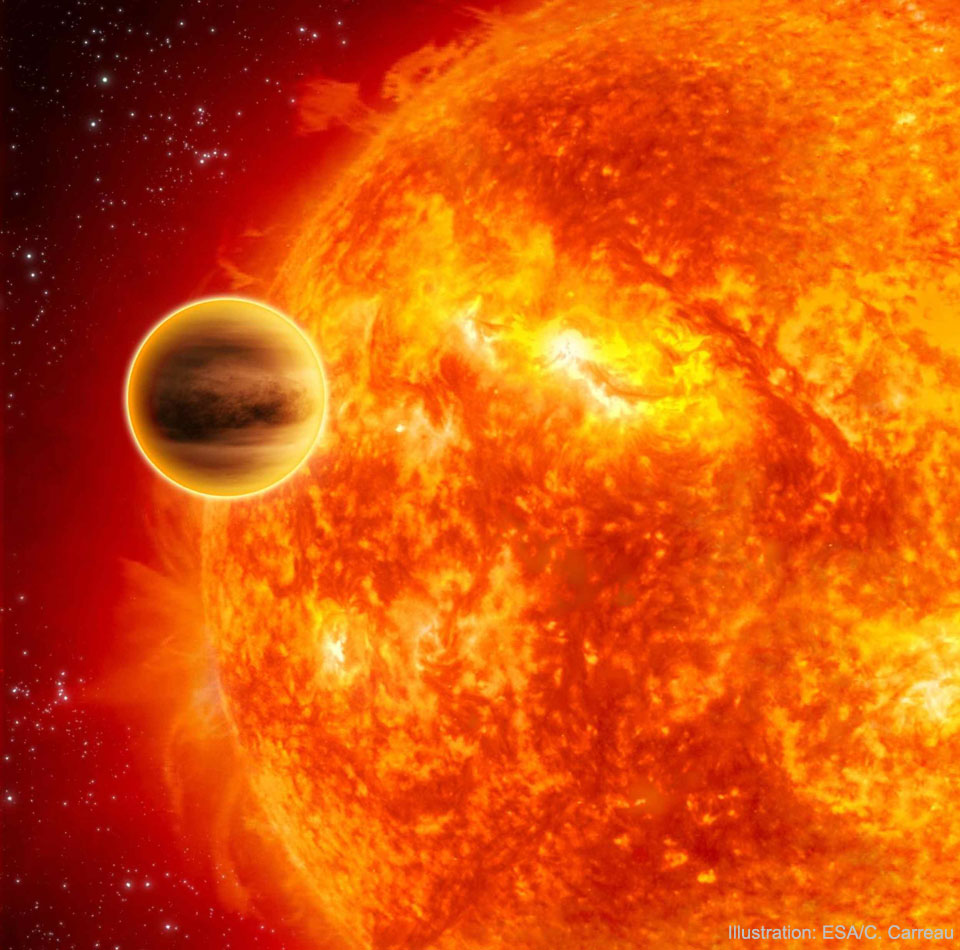
This hot jupiter is doomed. Hot jupiters are giant planets like Jupiter that orbit much closer to their parent stars than Mercury does to our Sun. But some hot jupiters are more extreme than others. NGTS-10b, illustrated generically, is the closest and fastest-orbiting giant planet yet discovered, circling its home... Continue Reading →
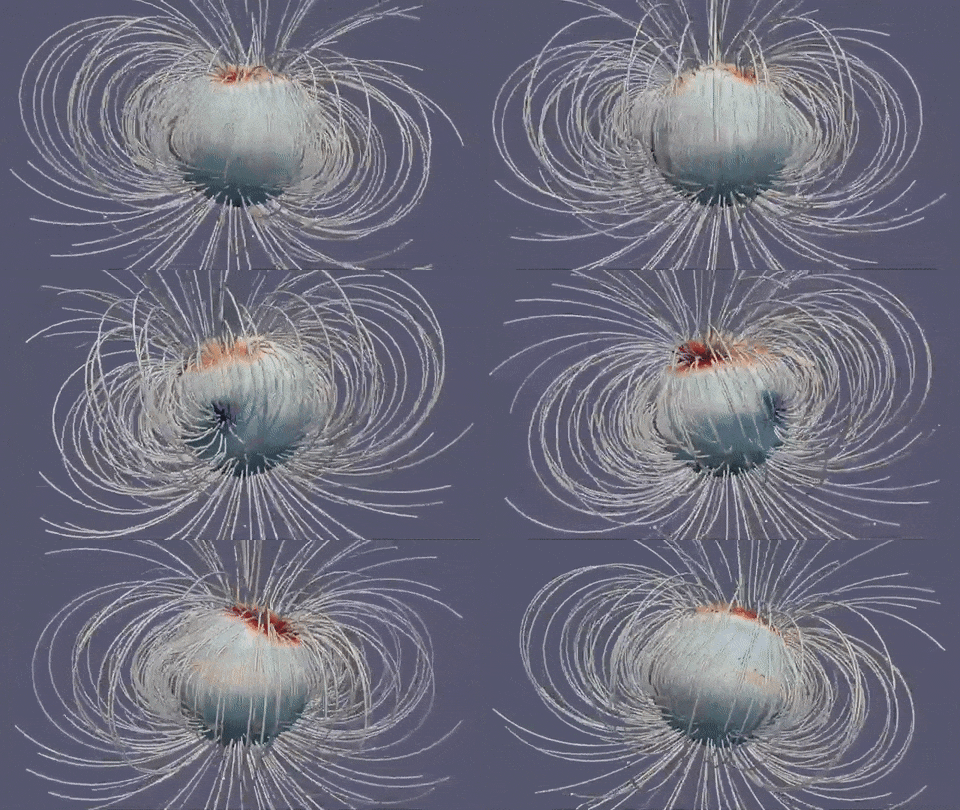
How similar is Jupiter's magnetic field to Earth's? NASA's robotic Juno spacecraft has found that Jupiter's magnetic field is surprisingly complex, so that the Jovian world does not have single magnetic poles like our Earth. A snapshot of Jupiter's magnetic field at one moment in time, as animated... Continue Reading →
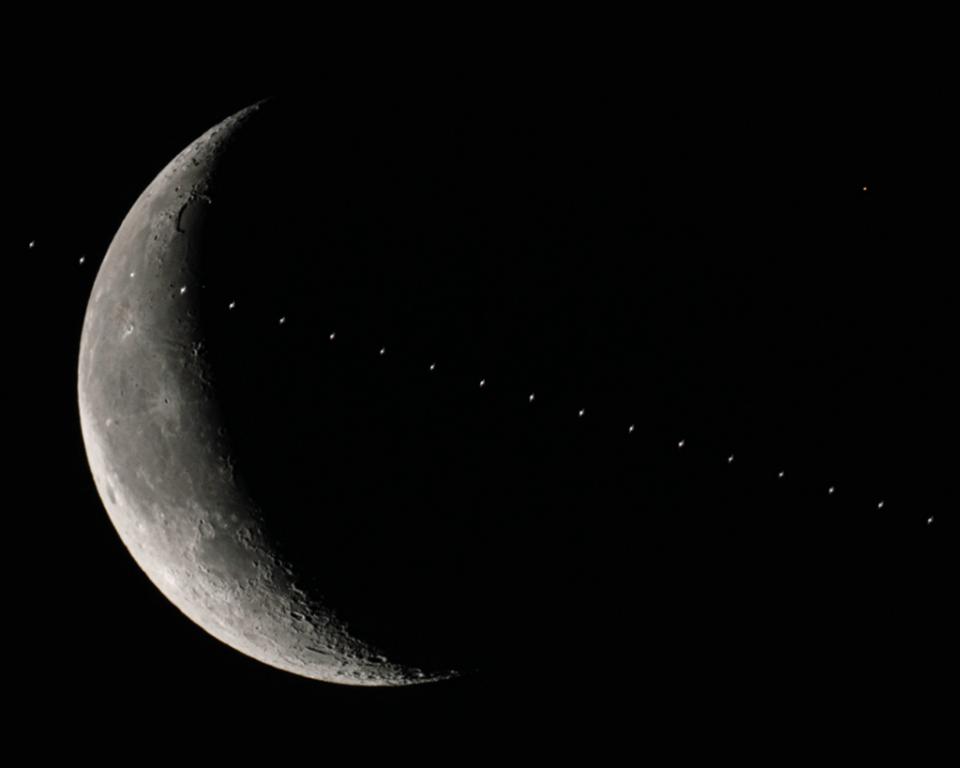
On February 18, as civil twilight began in northern New Mexico skies, the International Space Station, a waning crescent Moon, and planet Mars for a moment shared this well-planned single field of view. From the photographer's location the sky had... Continue Reading →
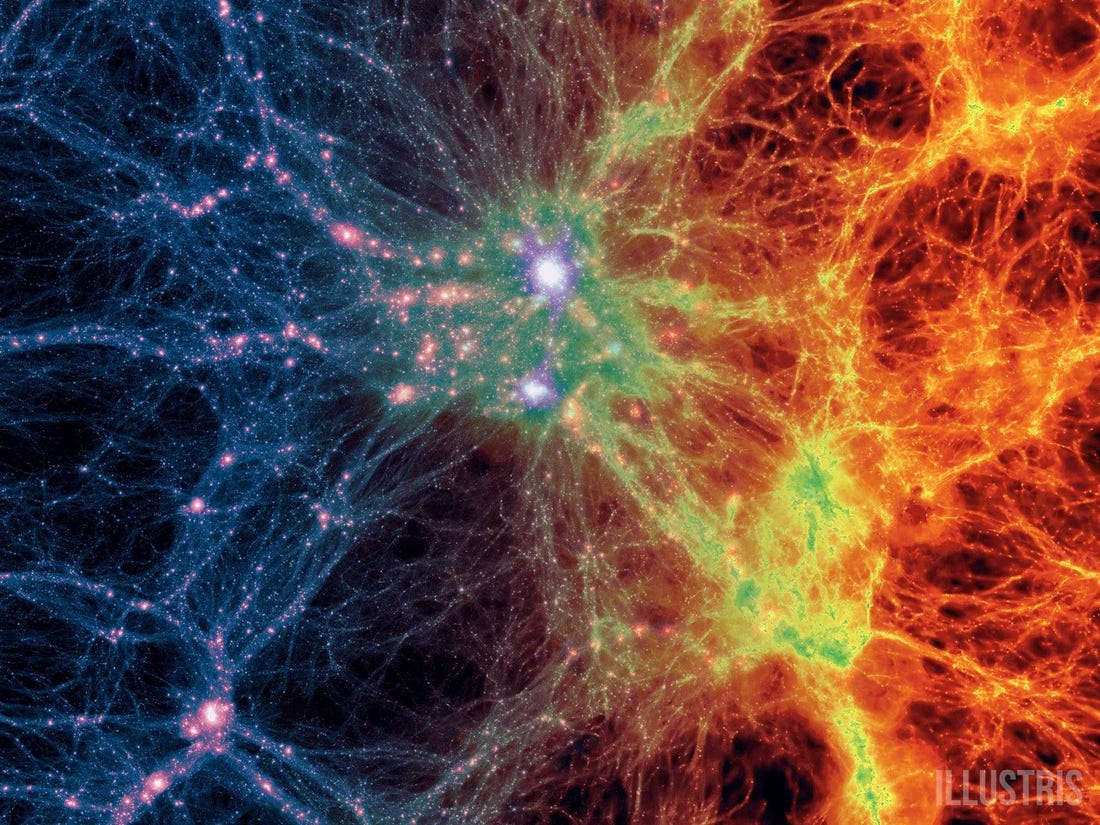
How did we get here? Click play, sit back, and watch. A computer simulation of the evolution of the universe provides insight into how galaxies formed and perspectives into humanity's place in the universe. https://www.youtube.com/watch?time_continue=62&v=QSivvdIyeG4&feature=emb_logo Video Credit: Illustris Collaboration, NASA, PRACE, XSEDE, MIT, Harvard CfA;Music: The Poisoned Princess (Media Right Productions) The Illustris project exhausted 20... Continue Reading →
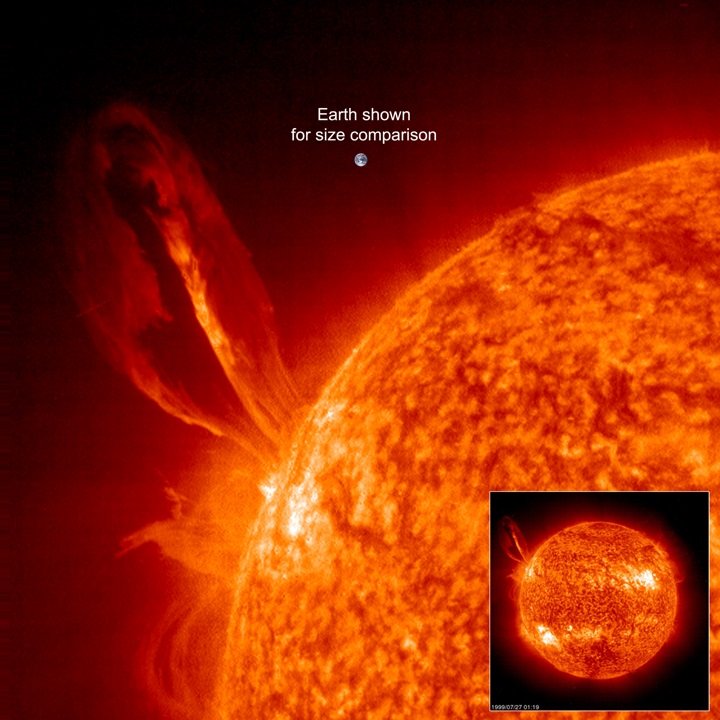
A star of about eight percent the Sun’s mass has been caught emitting an enormous ‘super flare’ of X-rays – a dramatic high-energy eruption that poses a fundamental problem for astronomers, who did not think it possible on stars that... Continue Reading →

NASA's Juno mission has provided its first science results on the amount of water in Jupiter's atmosphere. Published recently in the journal Nature Astronomy, the Juno results estimate that at the equator, water makes up about 0.25% of the molecules... Continue Reading →
 Scents of Science