
A cold and stable Antarctic vortex supported the development of the 12th largest ozone hole on record in 2020. The hole reached its peak extent on September 20th at 24.8 million square kilometers. Ozone-depleting compounds – CFCs – persist in... Continue Reading →

Why is the Lobster Nebula forming some of the most massive stars known? No one is yet sure. Cataloged as NGC 6357, the Lobster Nebula houses the open star cluster Pismis 24 near its center -- a home to unusually bright and massive stars.... Continue Reading →

NASA's Stratospheric Observatory for Infrared Astronomy (SOFIA) has confirmed, for the first time, water on the sunlit surface of the Moon. This discovery indicates that water may be distributed across the lunar surface, and not limited to cold, shadowed places.... Continue Reading →
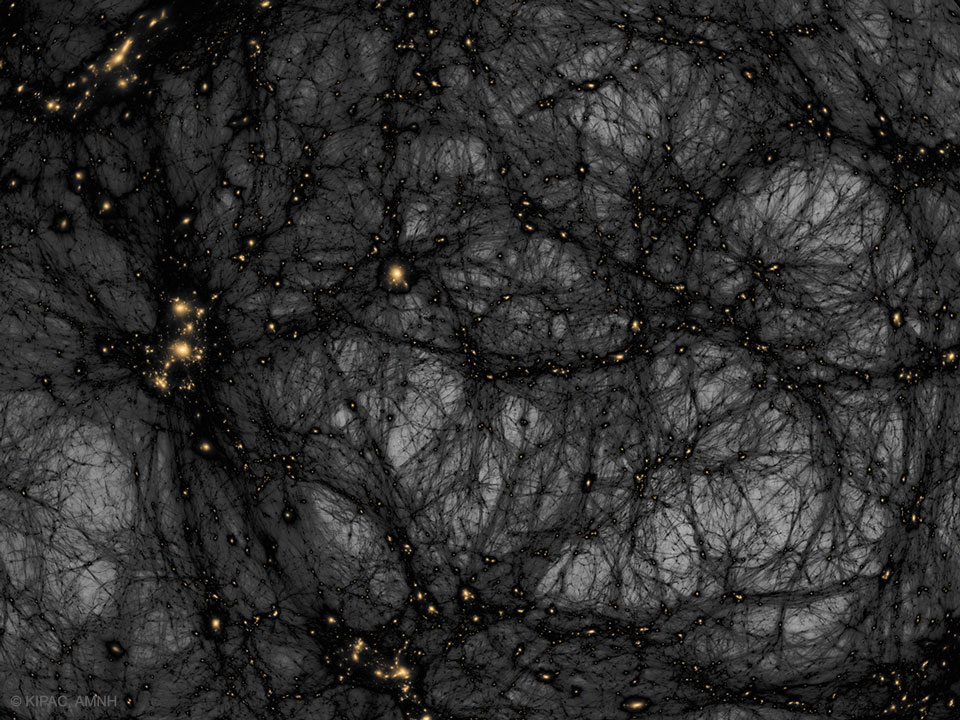
Is our universe haunted? It might look that way on this dark matter map. The gravity of unseen dark matter is the leading explanation for why galaxies rotate so fast, why galaxies orbit clusters so fast, why gravitational lenses so strongly deflect light, and why visible matter is distributed... Continue Reading →

Two days after touching down on asteroid Bennu, NASA's OSIRIS-REx mission team received on Thursday, Oct. 22, images that confirm the spacecraft has collected more than enough material to meet one of its main mission requirements -- acquiring at least... Continue Reading →

The Royal Swedish Academy of Sciences has decided to award the Nobel Prize in Physics 2020 with one half to Roger Penrose, University of Oxford, UK, "for the discovery that black hole formation is a robust prediction of the general... Continue Reading →
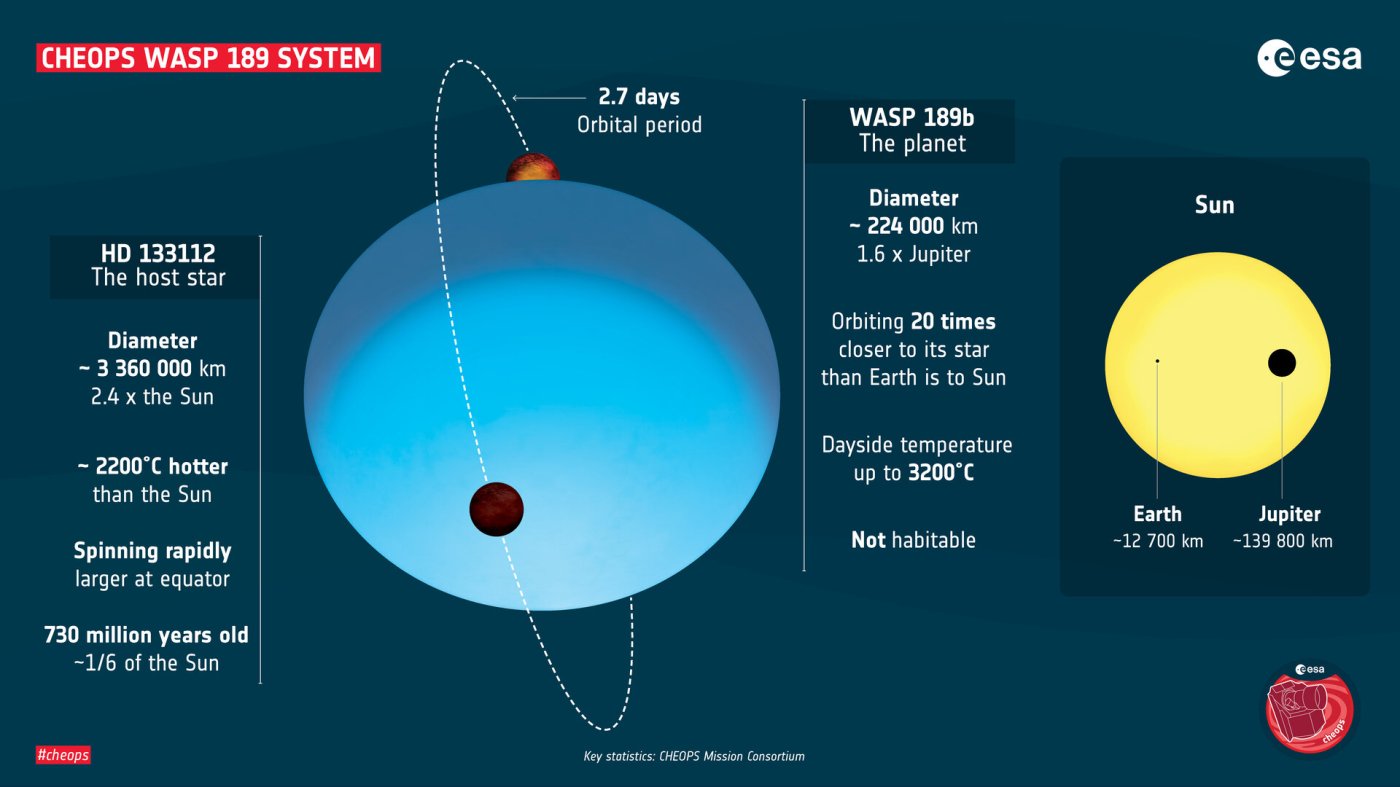
ESA’s new exoplanet mission, Cheops, has found a nearby planetary system to contain one of the hottest and most extreme extra-solar planets known to date: WASP-189 b. The finding, the very first from the mission, demonstrates Cheops’ unique ability to... Continue Reading →

A team of researchers at the University of Warsaw has created the most accurate 3-D model of the Milky Way Galaxy to date. In their paper published in the journal Science, the group explains how they used measurements from a... Continue Reading →
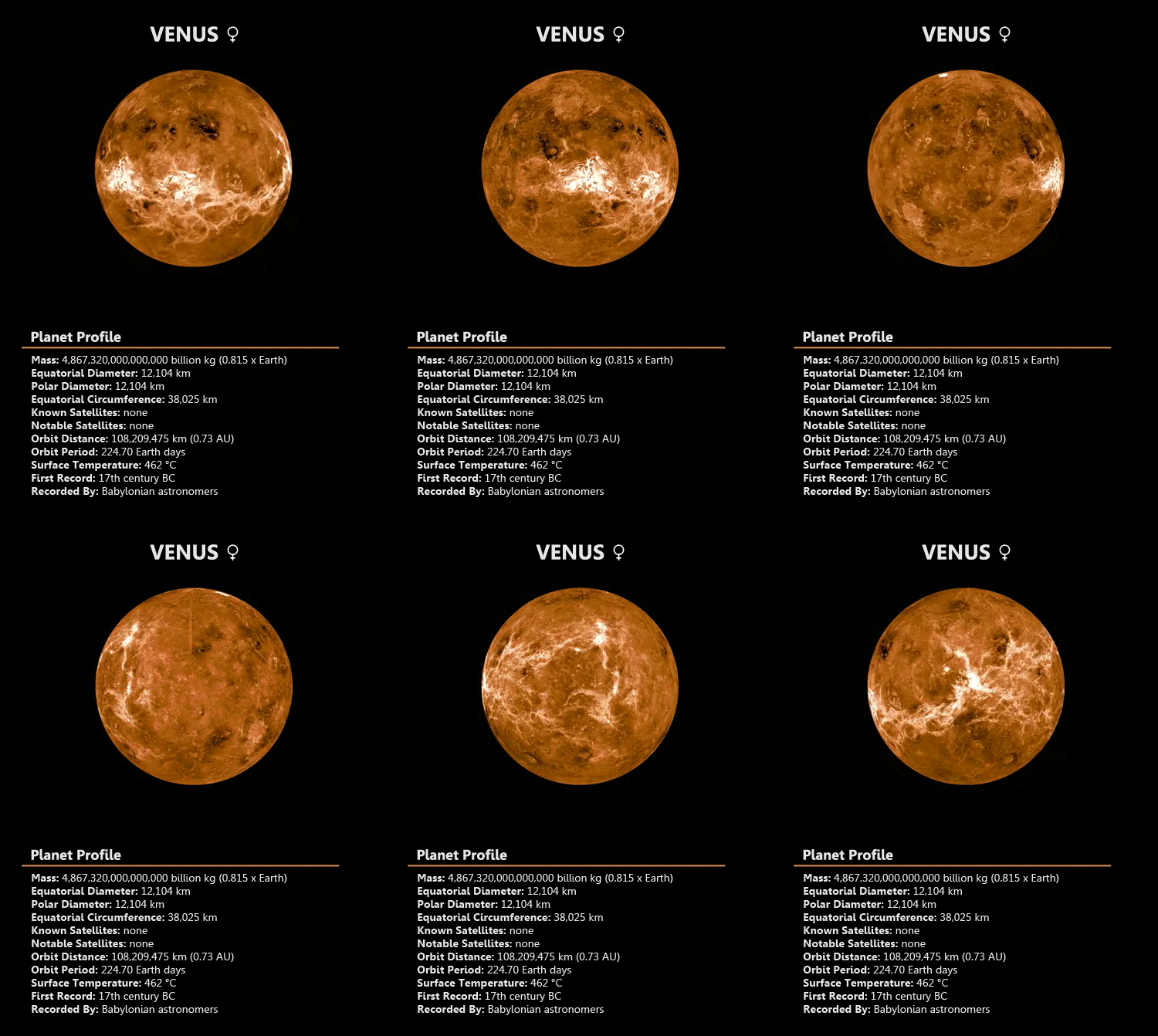
An international team of astronomers announced the discovery of a rare molecule -- phosphine -- in the clouds of Venus. On Earth, this gas is only made industrially or by microbes that thrive in oxygen-free environments. Astronomers have speculated for... Continue Reading →
 Scents of Science