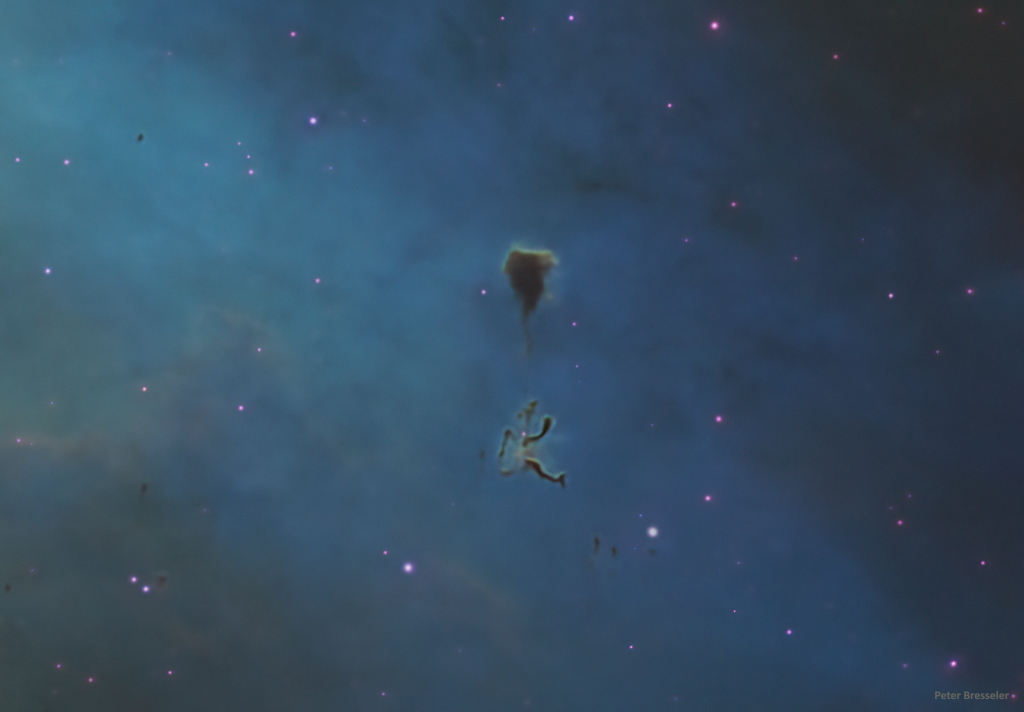
A small, dark, nebula looks isolated near the center of this telescopic close-up. The wedge-shaped cosmic cloudlet lies within a relatively crowded region of space though. About 7,000 light-years distant and filled with glowing gas and an embedded cluster of young... Continue Reading →
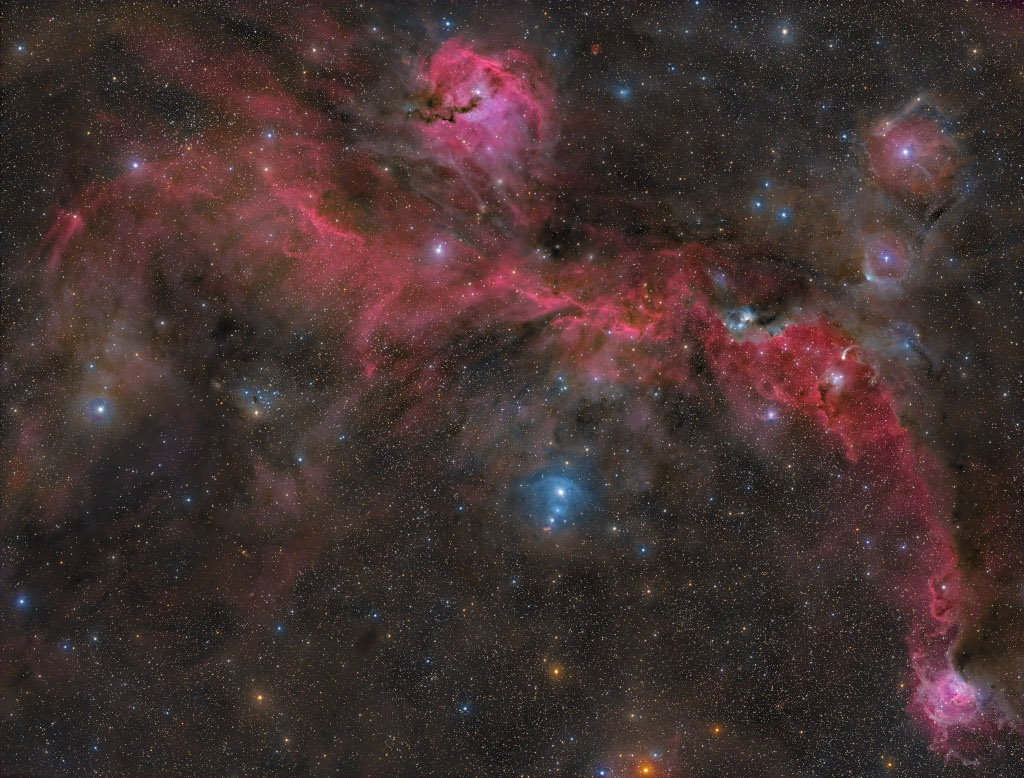
An interstellar expanse of glowing gas and obscuring dust presents a bird-like visage to astronomers from planet Earth, suggesting its popular moniker, the Seagull Nebula. This broadband portrait of the cosmic bird covers a 3.5-degree wide swath across the plane of the Milky... Continue Reading →
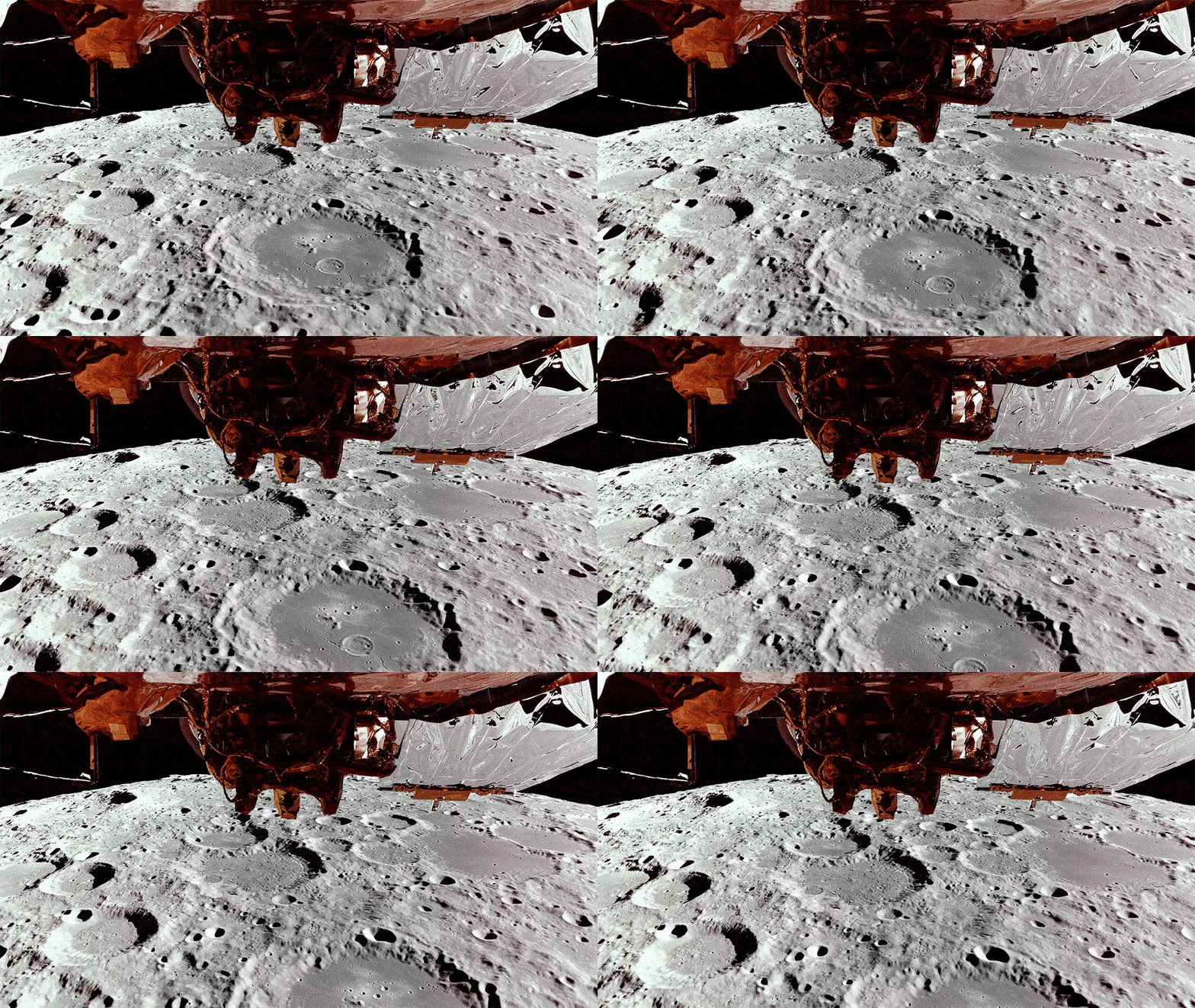
Firefly Aerospace's robotic Blue Ghost lander is scheduled to land on the moon on Sunday no earlier than 3:34 a.m. EST (0834 GMT) when it touches down on the vast Sea of Crises (or Mare Crisium). Watch it live here: https://plus.nasa.gov/scheduled-video/firefly-blue-ghost-mission-1-lunar-landing/ The $93.3 million Blue... Continue Reading →
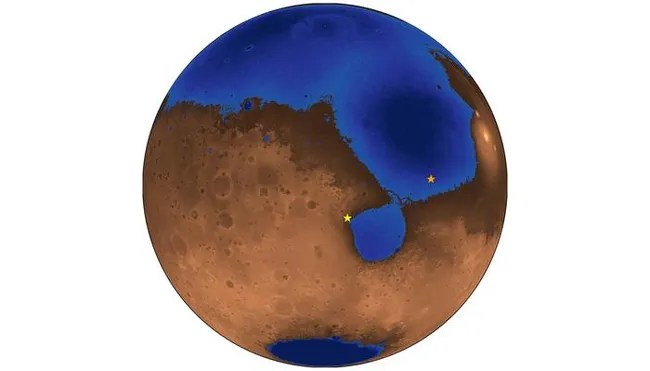
Today, Mars is a chilly desert of rock and dust — but 4 billion years ago, the planet had rivers, lakes and even oceans with sandy beaches. Data from China's Zhurong rover recently revealed the first evidence of one of... Continue Reading →

Rima Hyginus is a spectacular fissure, some 220 kilometers long, found near the center of the lunar near side. Easy to spot in telescopic views of the Moon, it stretches top left to bottom right across this lunar closeup. The image was made... Continue Reading →

Enormous elliptical galaxy Messier 87 is about 50 million light-years away. Also known as NGC 4486, the giant galaxy holds trillions of stars compared to the mere billions of stars in our large spiral Milky Way. M87 reigns as the large central... Continue Reading →

Riding high in the constellation of Auriga, beautiful, blue VdB 31 is the 31st object in Sidney van den Bergh's 1966 catalog of reflection nebulae. It shares this well-composed celestial still life with dark, obscuring clouds B26, B27, and B28, recorded in Edward... Continue Reading →

Will the spider ever catch the fly? Not if both are large emission nebulas toward the constellation of the Charioteer (Auriga). The spider-shaped gas cloud in the image center is actually an emission nebula labelled IC 417, while the smaller fly-shaped cloud... Continue Reading →
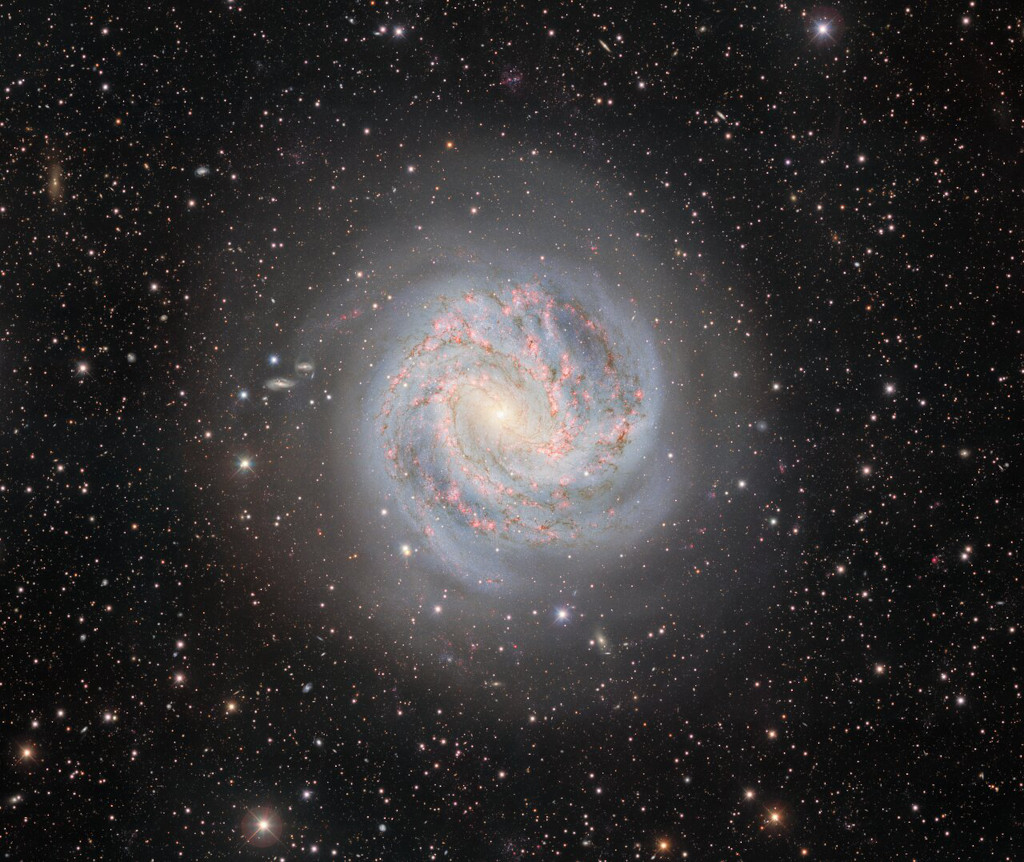
Beautiful and bright spiral galaxy M83 lies a some twelve million light-years away, near the southeastern tip of the very long constellation Hydra. Prominent spiral arms traced by dark dust lanes and blue star clusters lend this galaxy its popular name, The Southern... Continue Reading →
 Scents of Science