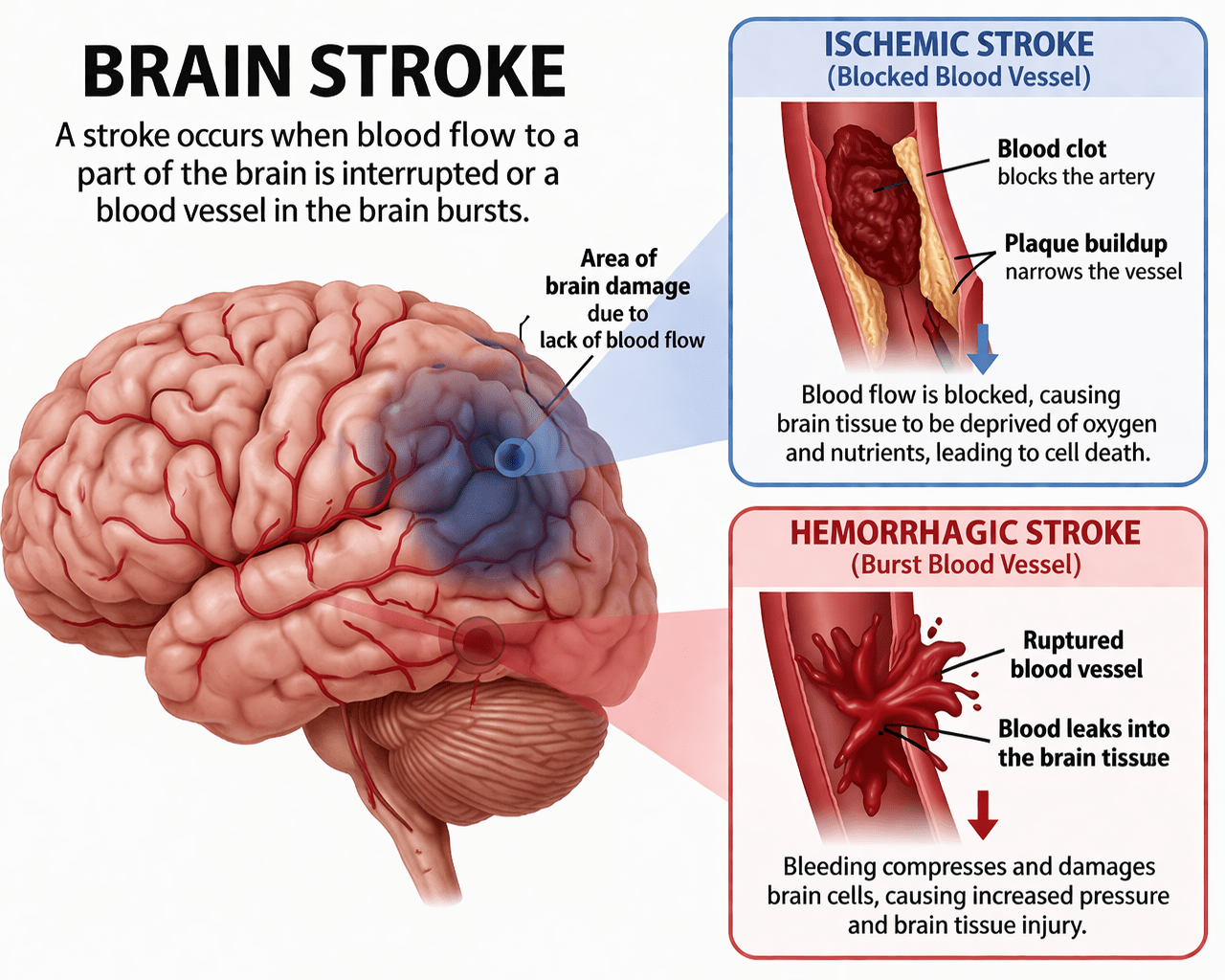
In a new study published in The Lancet Digital Health, scientists at the USC Mark and Mary Stevens Neuroimaging and Informatics Institute (Stevens INI) have discovered that the brains of people who experience severe physical impairment after a stroke may reorganize themselves... Continue Reading →
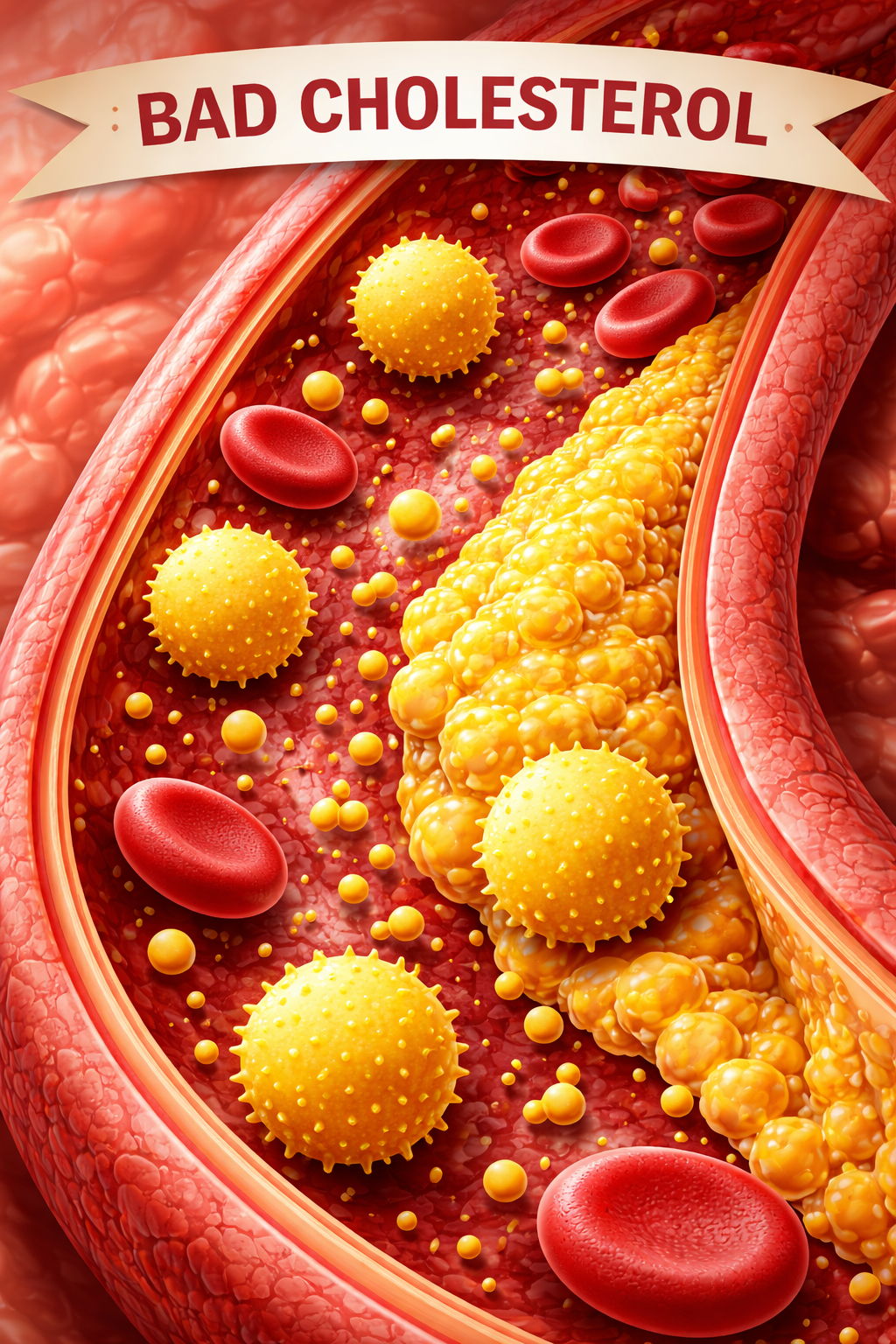
An experimental pill called enlicitide slashed levels of low-density lipoprotein (LDL) cholesterol, commonly known as “bad” cholesterol, by up to 60%, a new phase three clinical trial published in The New England Journal of Medicine showed. If approved by the Food and Drug... Continue Reading →
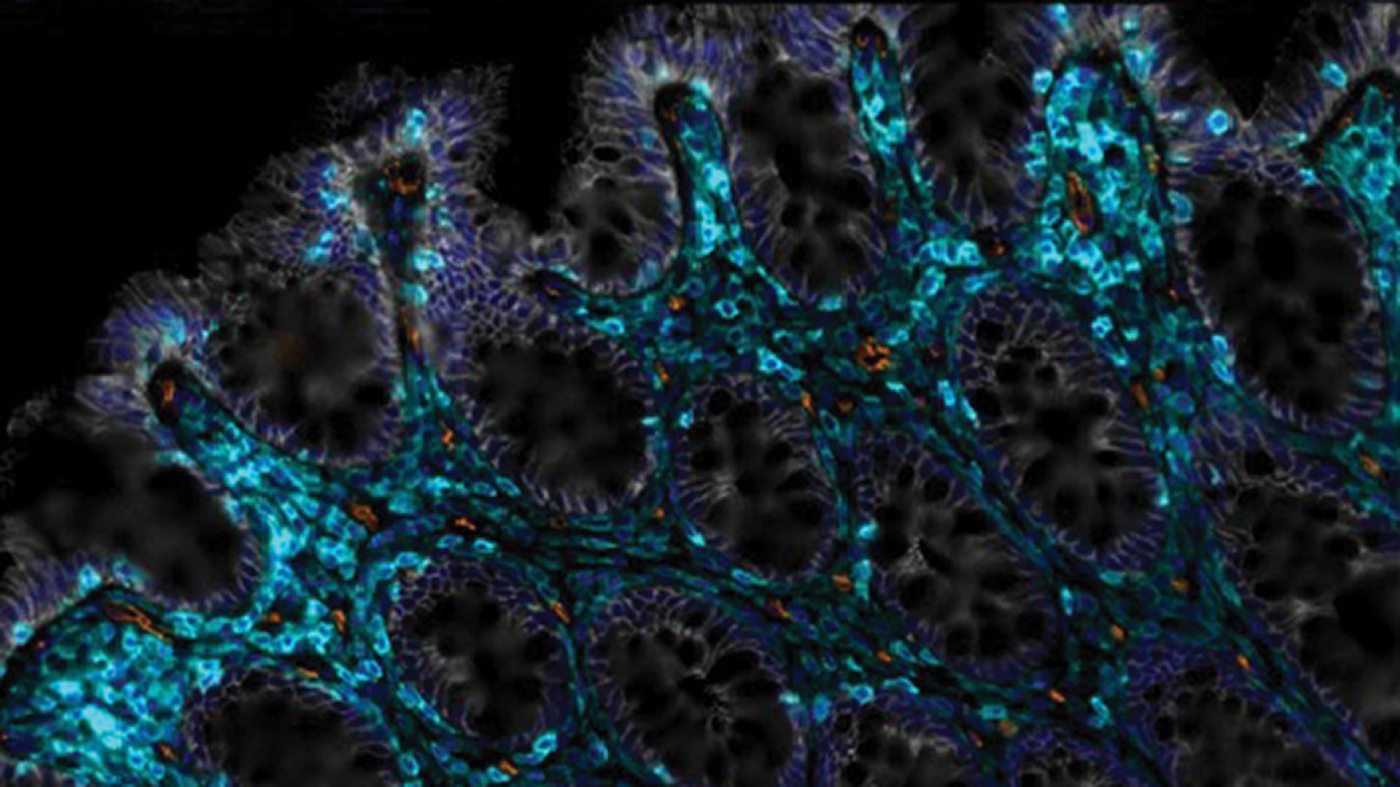
Ever notice that as you get older, some foods no longer sit with you the same? This could be due to a breakdown of the intestinal epithelium, a single layer of cells that forms the organ’s lining. The intestine plays... Continue Reading →

Researchers are taking a closer look at how medications used to treat diabetes may also influence cancer. While diabetes itself has long been associated with higher cancer risk, scientists are now investigating whether diabetes drugs play a direct role beyond... Continue Reading →
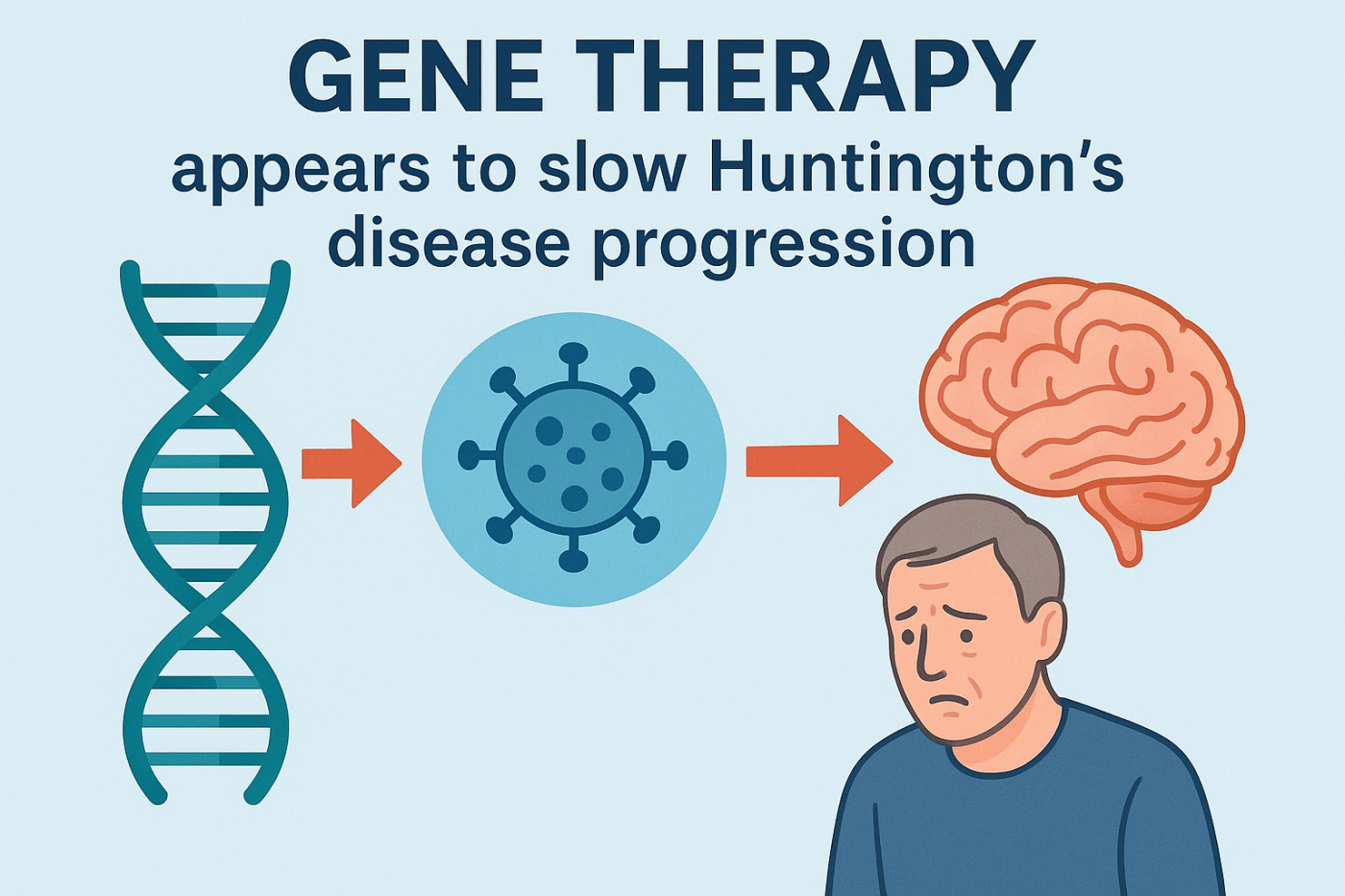
The researchers found that patients receiving the treatment experienced 75% less progression of the disease overall, compared to a matched cohort of people with Huntington’s who were not receiving the treatment. This is the first time a drug trial has... Continue Reading →

Unique physical properties of materials have been the center of interest in material science community. Among them, quantum materials have recently garnered growing attention, because of their unprecedented physical properties governed by photon-like electrons. We have synthesized a series of... Continue Reading →
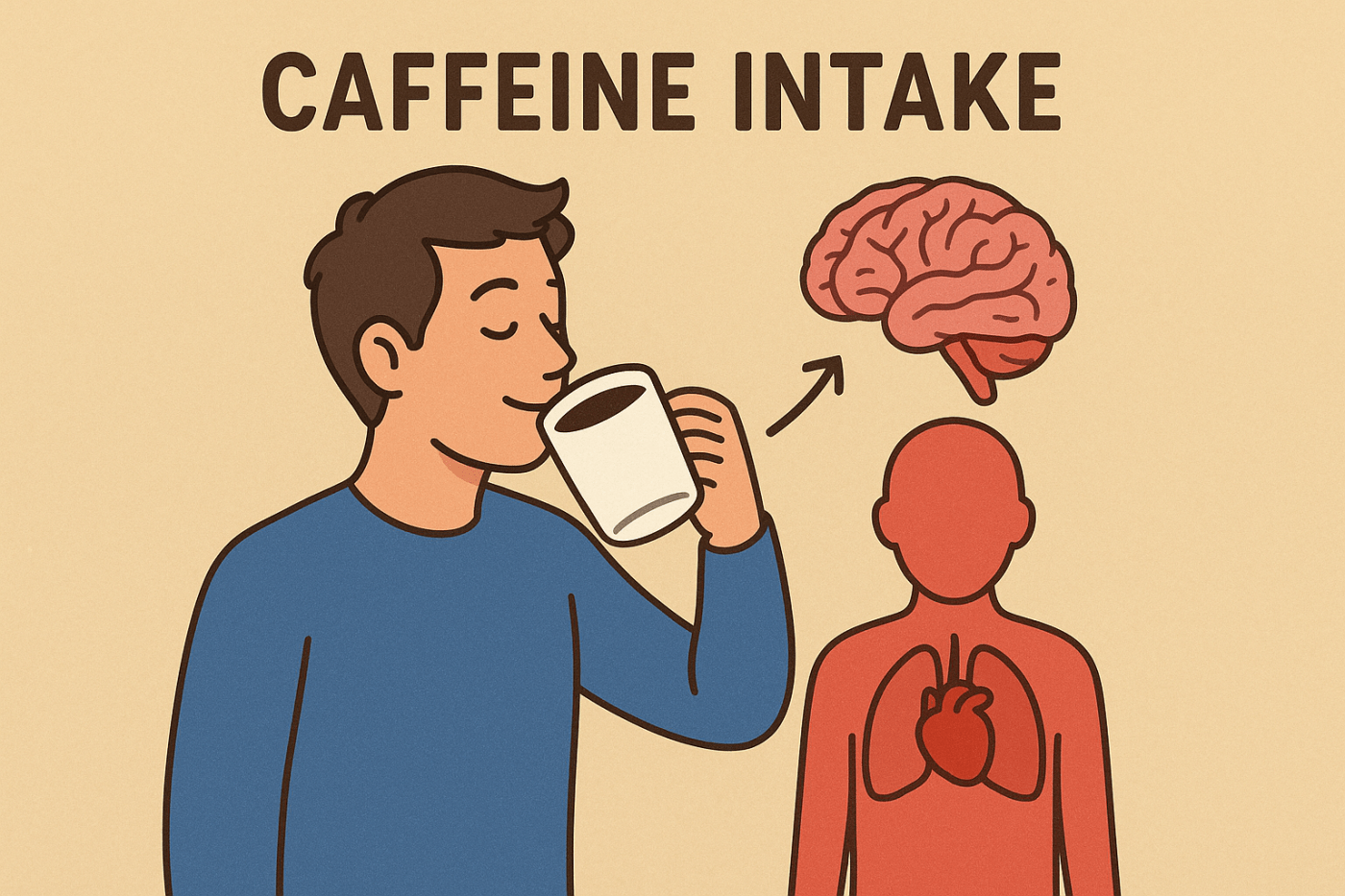
Ingredients of our daily diet – including caffeine – can influence the resistance of bacteria to antibiotics. This has been shown in a new study by a team of researchers at the Universities of Tübingen and Würzburg led by Professor Ana... Continue Reading →

A healthy diet can slow down the accumulation of chronic diseases in older adults, while inflammatory diets accelerate it. This is shown by a new study from Karolinska Institutet published in Nature Aging. Researchers have investigated how four different diets affect... Continue Reading →
Stanford Medicine scientists investigating the neurological basis of autism spectrum disorder (ASD) have found that hyperactivity in a specific brain region could drive behaviors commonly associated with the disorder. Using the Cntnap2 knockout mouse model, the researchers, led by John Huguenard, PhD,... Continue Reading →
 Scents of Science