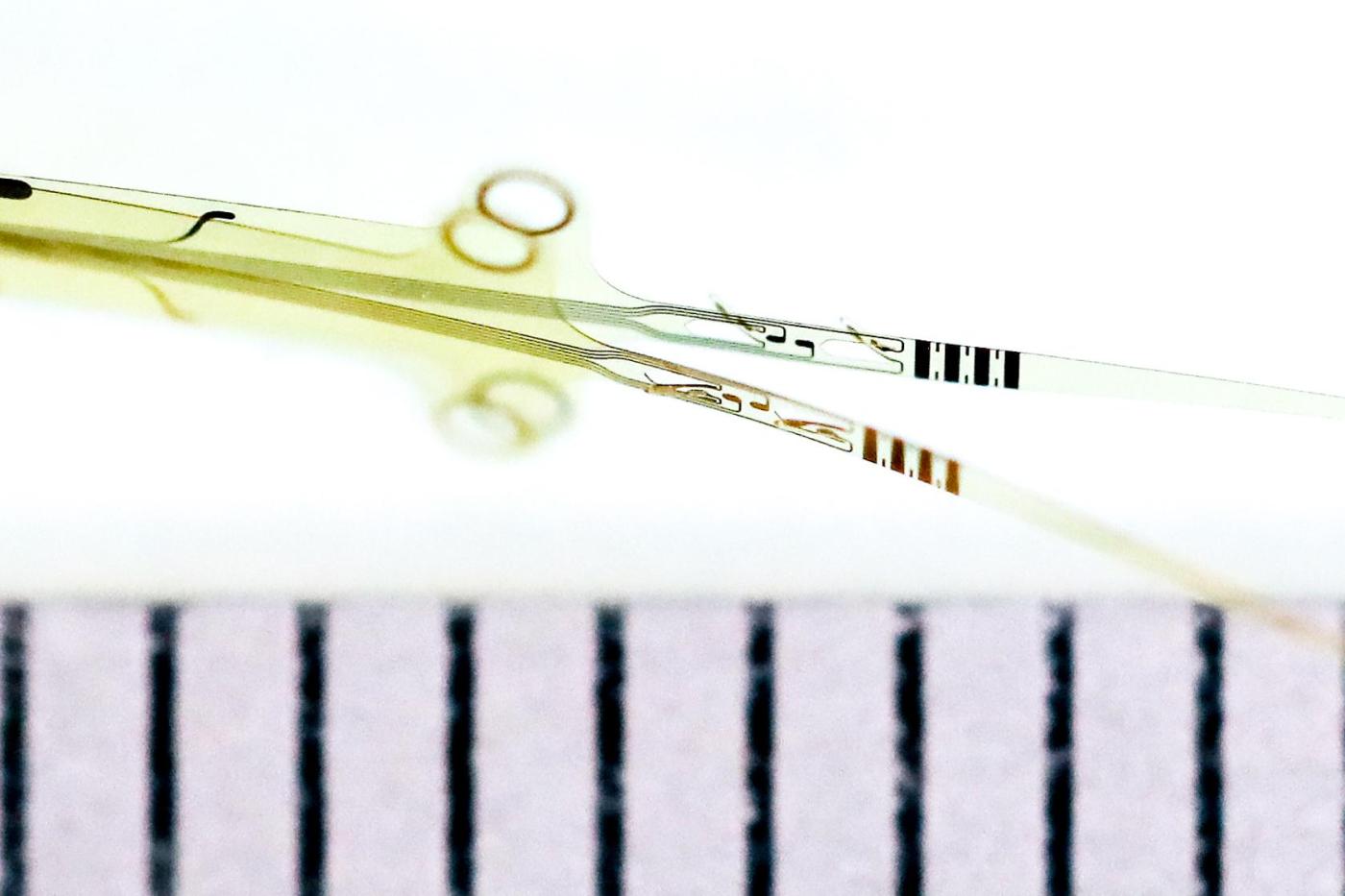
Scientists from EPFL in Switzerland and Scuola Superiore Sant'Anna in Italy are developing technology for the blind that bypasses the eyeball entirely and sends messages to the brain. They do this by stimulating the optic nerve with a new type... Continue Reading →

Beta-amyloid plaques, the protein aggregates that form in the brains of Alzheimer's patients, disrupt many brain functions and can kill neurons. They can also damage the blood-brain barrier -- the normally tight border that prevents harmful molecules in the bloodstream... Continue Reading →

Alzheimer's disease, the most common cause of dementia among the elderly, is characterized by plaques and tangles in the brain, with most efforts at finding a cure focused on these abnormal structures. But a University of California, Riverside, research team... Continue Reading →

Scientist have identified a link between exposure to high levels of oestrogen sex hormones in the womb and the likelihood of developing autism. The findings are published in the journal Molecular Psychiatry. The discovery adds further evidence to support the prenatal... Continue Reading →
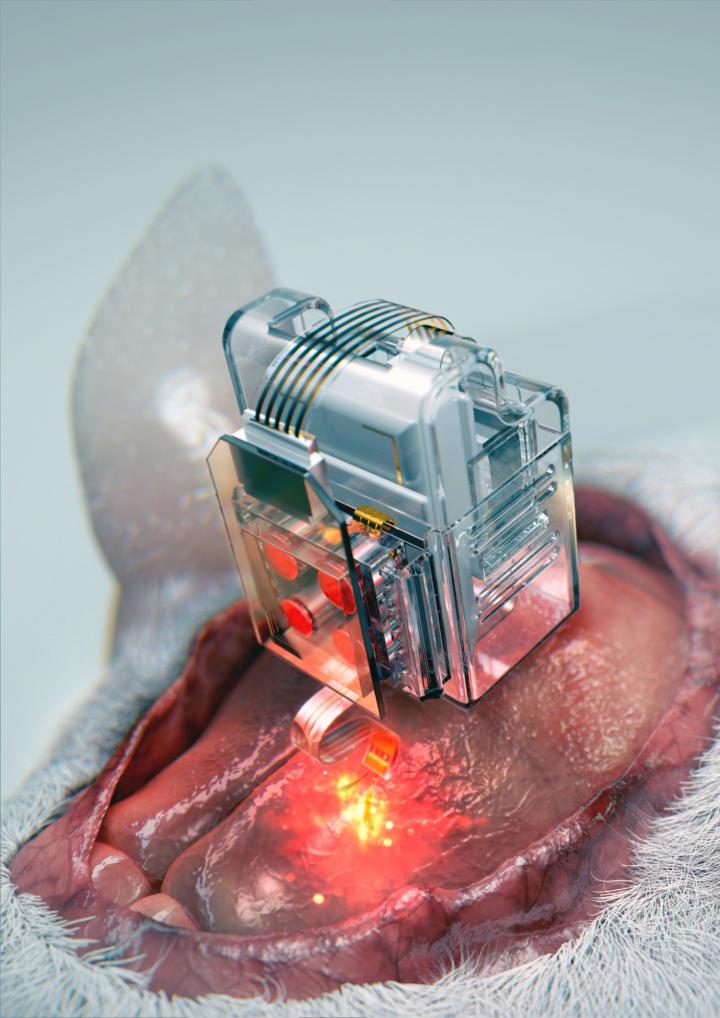
A team of scientists in Korea and the United States have invented a device that can control neural circuits using a tiny brain implant controlled by a smartphone. Researchers, publishing in Nature Biomedical Engineering, believe the device can speed up efforts... Continue Reading →

Rahul Desikan, a neuroscientist at the University of California, San Francisco, died July 14 at age 41 from amyotrophic lateral sclerosis. He was known for developing a widely used method of automatically labeling regions of the human cortex based on... Continue Reading →

For years, scientists thought the brain lacked a lymphatic system, raising questions about how fluid, macromolecules, and immune cells escape the organ. In 2015, two studies in mice provided evidence that the brain does in fact have a traditional lymphatic system in... Continue Reading →

A gene therapy can turn certain brain glial cells into functioning neurons, which in turn could help repair the brain after a stroke or during neurological disorders like Alzheimer’s or Parkinson’s diseases. In a series of studies in animals, a... Continue Reading →
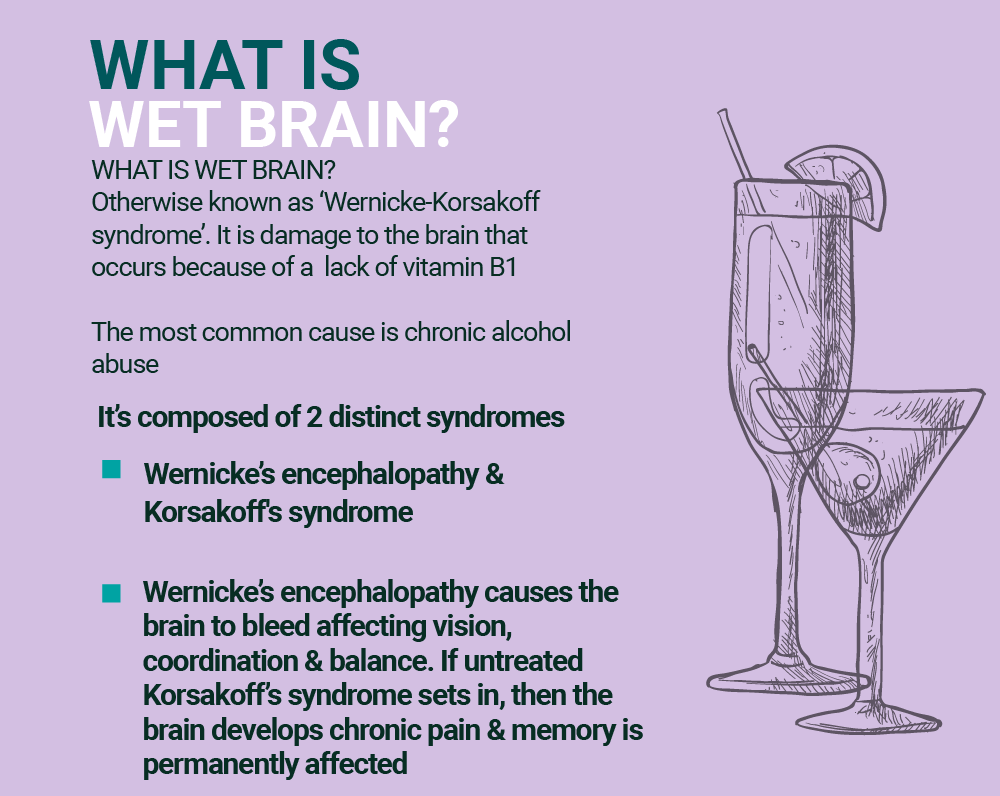
Korsakoff syndrome is a chronic memory disorder caused by severe deficiency of thiamine (vitamin B-1). Thiamine helps brain cells produce energy from sugar. When levels fall too low, brain cells cannot generate enough energy to function properly. Korsakoff syndrome is... Continue Reading →
 Scents of Science