
In a new paper, a team of USC computer scientists and psychologists teamed up to investigate how music affects how you act, feel and think Your heart beats faster, palms sweat and part of your brain called the Heschl's gyrus... Continue Reading →

New research from Boston University suggests that tonight while you sleep, something amazing will happen within your brain. Your neurons will go quiet. A few seconds later, blood will flow out of your head. Then, a watery liquid called cerebrospinal... Continue Reading →

Georgetown University neuroscientists say they have identified how people can have a "crash in visual processing" -- a bottleneck of feed-forward and feedback signals that can cause us not to be consciously aware of stimuli that our brain recognized. In... Continue Reading →

A study in experimental models suggests that allopregnanolone, one of many hormones produced by the placenta during pregnancy, is so essential to normal fetal brain development that when provision of that hormone decreases or stops abruptly - as occurs with... Continue Reading →

A better understanding of the metabolic processes in the brain -- specifically disturbances resulting from neurodegenerative diseases -- has important implications for potential treatments. The research was presented at Neuroscience 2019, the annual meeting of the Society for Neuroscience and... Continue Reading →

Prolonged exposure to blue light, such as that which emanates from your phone, computer and household fixtures, could be affecting your longevity, even if it's not shining in your eyes. New research at Oregon State University suggests that the blue... Continue Reading →

If you step on a tack, neurons in your brain will register two things: that there’s a piercing physical sensation in your foot, and that it’s not pleasant. A team of scientists at Stanford University has identified a bundle of... Continue Reading →

You'd expect excessive athletic training to make the body tired, but can it make the brain tired too? A new study reported in the journal Current Biology on September 26 suggests that the answer is "yes." When researchers imposed an excessive training... Continue Reading →
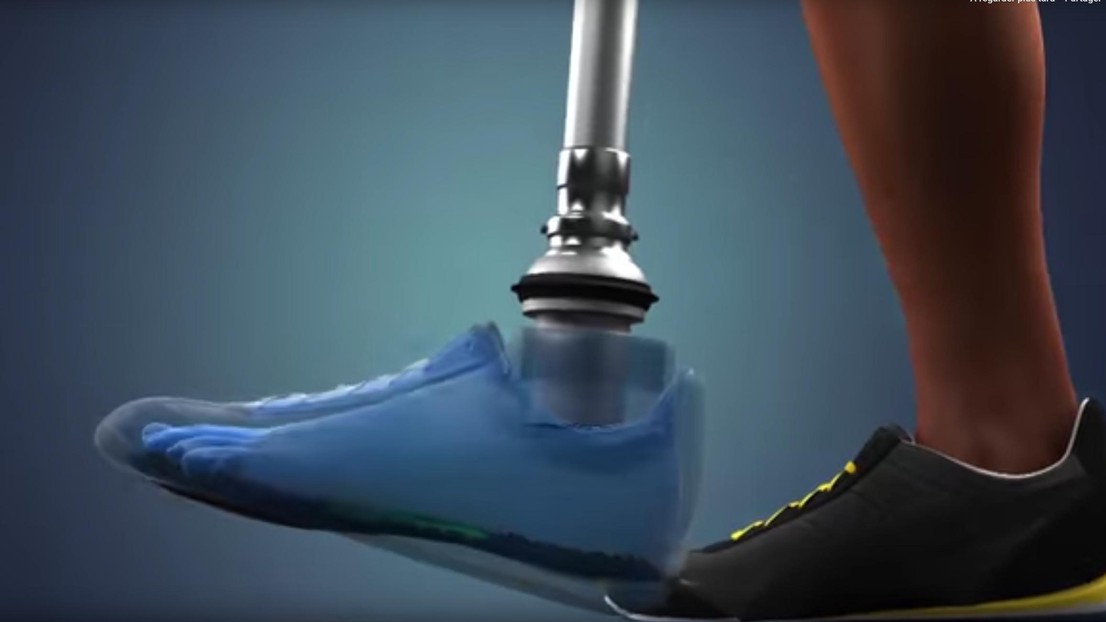
Scientists have helped three amputees merge with their bionic prosthetic legs as they climb over various obstacles without having to look. The amputees report using and feeling their bionic leg as part of their own body, thanks to sensory feedback... Continue Reading →
 Scents of Science