
Oxytocin, a brain peptide that is widely known for its role in love and bonding, may hold potential for helping individuals overcome alcohol addiction. In a collaborative study with the National Institute on Drug Abuse (NIDA), scientists at Scripps Research... Continue Reading →
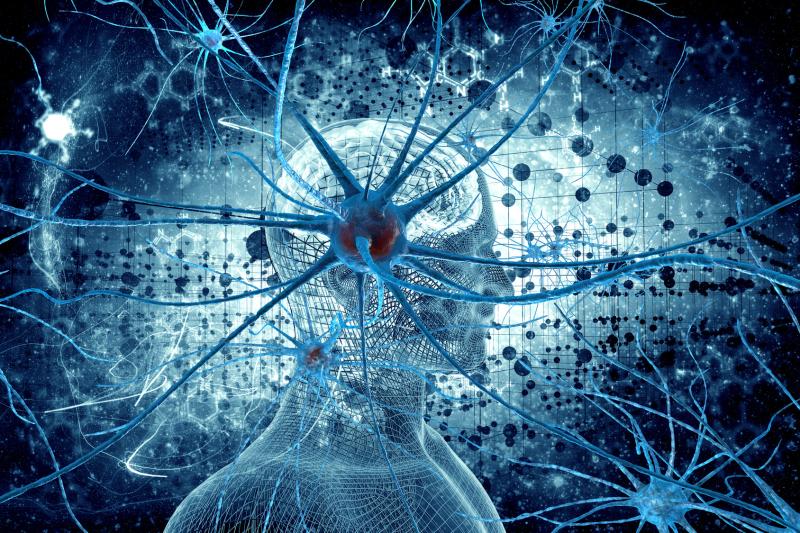
Brain functions are made possible by circuits of spiking neurons, connected together by microscopic, but highly complex links called synapses. In this new study, published in the scientific journal Nature Scientific Reports, the scientists created a hybrid neural network where biological... Continue Reading →
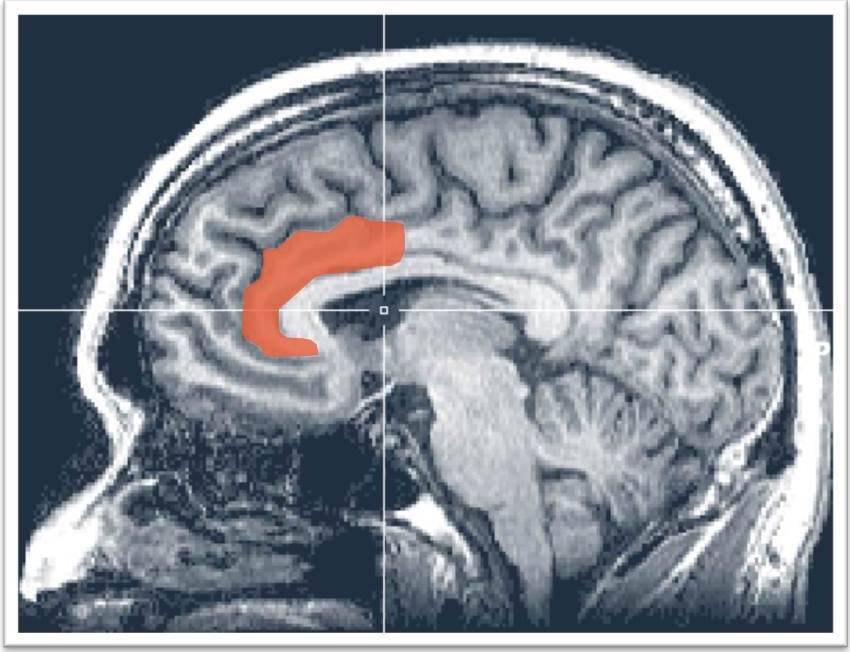
Counterfactual thinking focus on how the past might have been, or the present could be, different. These thoughts are usually triggered by negative events that block one’s goals and desires. Counterfactual thoughts have a variety of effects on emotions, beliefs,... Continue Reading →
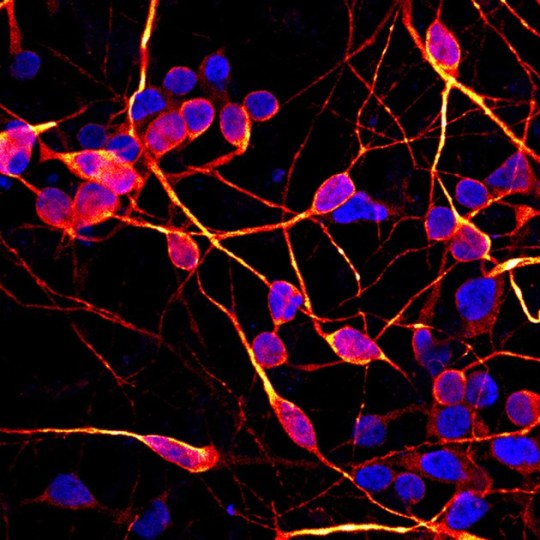
Amyotrophic lateral sclerosis (ALS) is an incurable disease of the central nervous system. In most cases, ALS is fatal within a short period following diagnosis. However, people sometimes live with the disease for decades, as did the astrophysicist Steven Hawking.... Continue Reading →
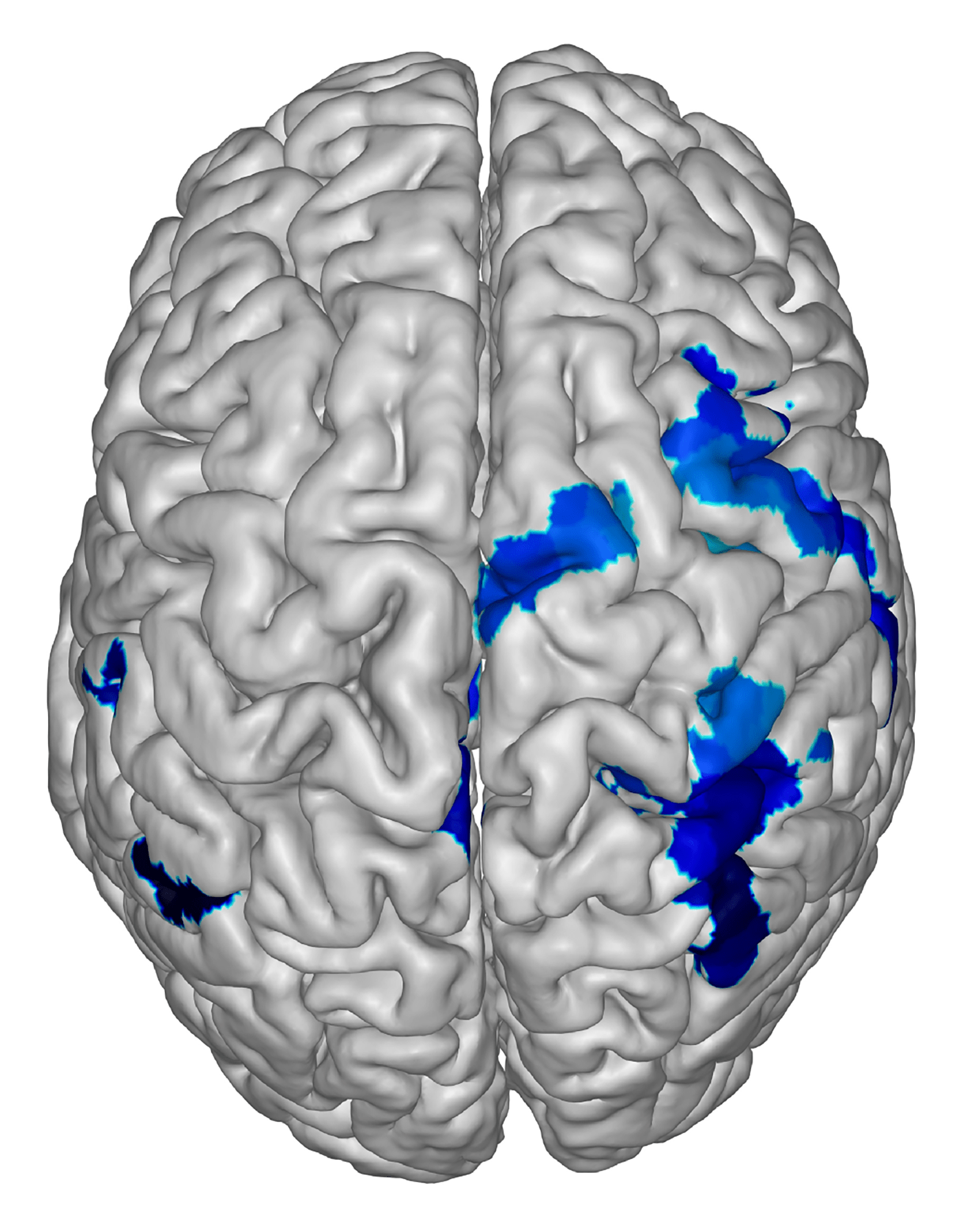
In a study of healthy volunteers, National Institutes of Health researchers found that our brains may solidify the memories of new skills we just practiced a few seconds earlier by taking a short rest. The results highlight the critically important... Continue Reading →

UCLA researchers have found that it is possible to assess a person's ability to feel empathy by studying their brain activity while they are resting rather than while they are engaged in specific tasks. Traditionally, empathy is assessed through the... Continue Reading →
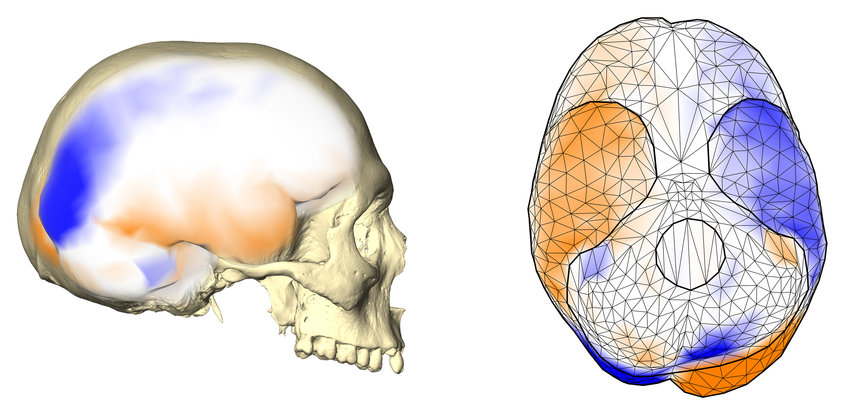
The left and right side of the brain are involved in different tasks. This functional lateralization and associated brain asymmetry are well documented in humans, but little is known about brain asymmetry in our closest living relatives, the great apes.... Continue Reading →
Clinical trials suggest treatment that involves psychedelics can be more effective than psychotherapy alone. More than three million people in the United States are diagnosed each year with post-traumatic stress disorder, whose symptoms include nightmares or unwanted memories of trauma,... Continue Reading →
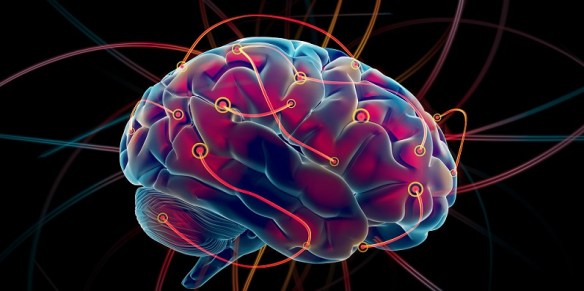
The brain is a sort of fortress, equipped with barriers designed to keep out dangerous pathogens. But protection comes at a cost: These barriers interfere with the immune system when faced with dire threats such glioblastoma, a deadly brain tumor... Continue Reading →
 Scents of Science