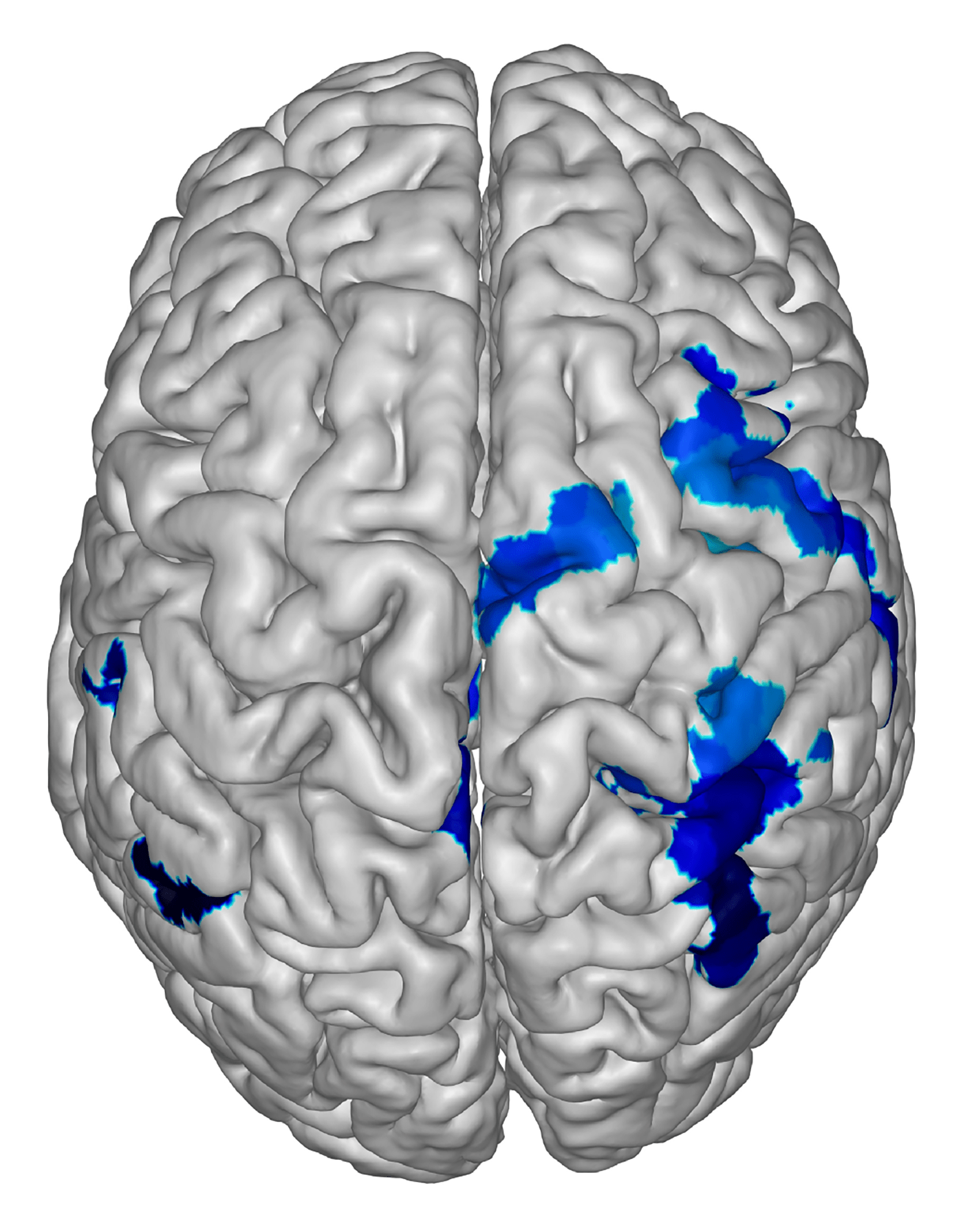
In a study of healthy volunteers, National Institutes of Health researchers found that our brains may solidify the memories of new skills we just practiced a few seconds earlier by taking a short rest. The results highlight the critically important... Continue Reading →

UCLA researchers have found that it is possible to assess a person's ability to feel empathy by studying their brain activity while they are resting rather than while they are engaged in specific tasks. Traditionally, empathy is assessed through the... Continue Reading →
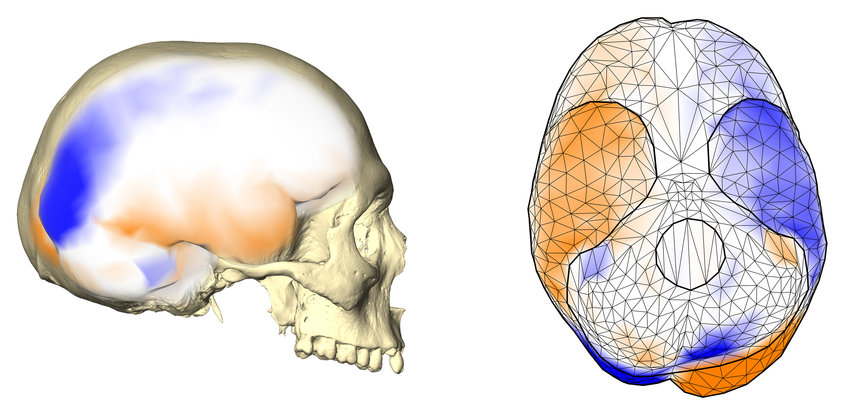
The left and right side of the brain are involved in different tasks. This functional lateralization and associated brain asymmetry are well documented in humans, but little is known about brain asymmetry in our closest living relatives, the great apes.... Continue Reading →
Clinical trials suggest treatment that involves psychedelics can be more effective than psychotherapy alone. More than three million people in the United States are diagnosed each year with post-traumatic stress disorder, whose symptoms include nightmares or unwanted memories of trauma,... Continue Reading →
The brain is a sort of fortress, equipped with barriers designed to keep out dangerous pathogens. But protection comes at a cost: These barriers interfere with the immune system when faced with dire threats such glioblastoma, a deadly brain tumor... Continue Reading →

Whether it be a brisk walk around the park or high intensity training at the gym, exercise does a body good. But what if you could harness the benefits of a good workout without ever moving a muscle? Michigan Medicine... Continue Reading →

Have you ever played with a baby and felt a sense of connection, even though they couldn't yet talk to you? New research suggests that you might quite literally be "on the same wavelength," experiencing similar brain activity in the... Continue Reading →
English and Italian speakers with dementia-related language impairment experience distinct kinds of speech and reading difficulties based on features of their native languages, according to new research by scientists at the UC San Francisco Memory and Aging Center and colleagues at the... Continue Reading →
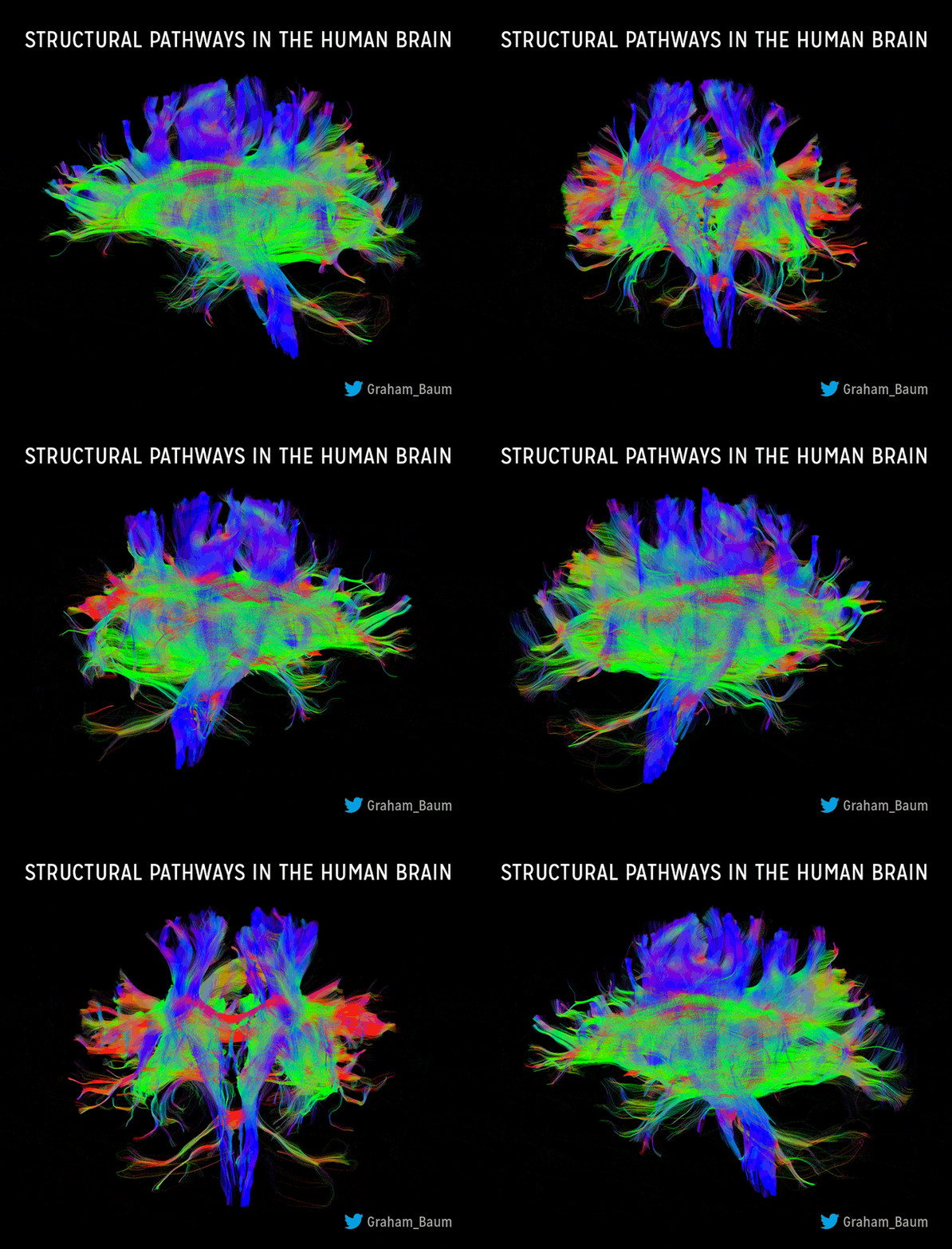
The human brain is organized into circuits that develop from childhood through adulthood to support executive function -- critical behaviors like self-control, decision making, and complex thought. These circuits are anchored by white matter pathways which coordinate the brain activity... Continue Reading →
 Scents of Science