
When faced with a decision, people may know which choice gives them the best chance of success, but still take the other option, a new study suggests. People may choose based on a "gut feeling," a habit, or what worked... Continue Reading →
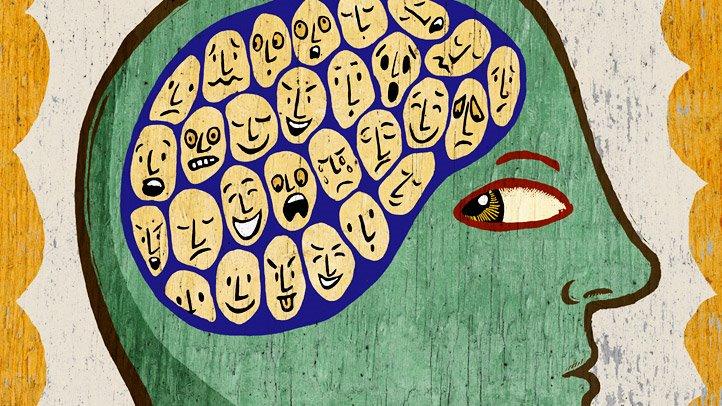
Most research about the genetics of schizophrenia has sought to understand the role that genes play in the development and heritability of schizophrenia. Many discoveries have been made, but there have been many missing pieces. Now, UNC School of Medicine... Continue Reading →

According to a recent analysis of data from two major eye disease studies, adherence to the Mediterranean diet - high in vegetables, whole grains, fish, and olive oil - correlates with higher cognitive function. Dietary factors also seem to play... Continue Reading →
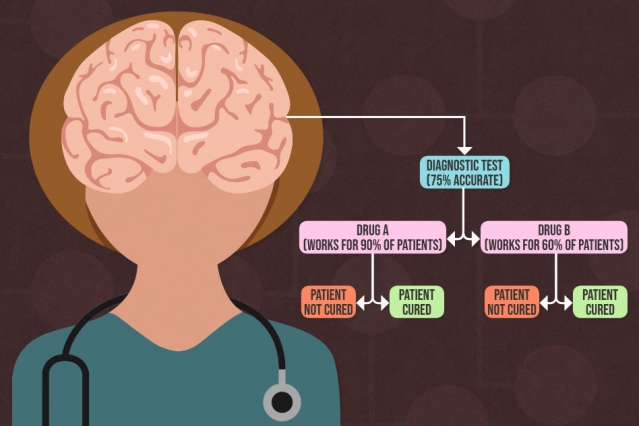
When making a complex decision, we often break the problem down into a series of smaller decisions. For example, when deciding how to treat a patient, a doctor may go through a hierarchy of steps — choosing a diagnostic test,... Continue Reading →

Researchers at Lund University in Sweden have succeeded in restoring mobility and sensation of touch in stroke-afflicted rats by reprogramming human skin cells to become nerve cells, which were then transplanted into the rats' brains. The study has now been... Continue Reading →

In the future, treating a concussion could be as simple as cooling the brain. That's according to research conducted by University of Wisconsin-Madison engineers, whose findings support the treatment approach at the cellular level. "There are currently no effective medical... Continue Reading →

According to a popular view, creativity is a product of the brain's right hemisphere -- innovative people are considered "right-brain thinkers" while "left-brain thinkers" are thought to be analytical and logical. Neuroscientists who are skeptical of this idea have argued... Continue Reading →

The cerebral cortex is the relatively thin, folded, outer "gray matter" layer of the brain crucial for thinking, information processing, memory, and attention. Not much has been revealed about the genetic underpinnings that influence the size of the cortex's surface... Continue Reading →
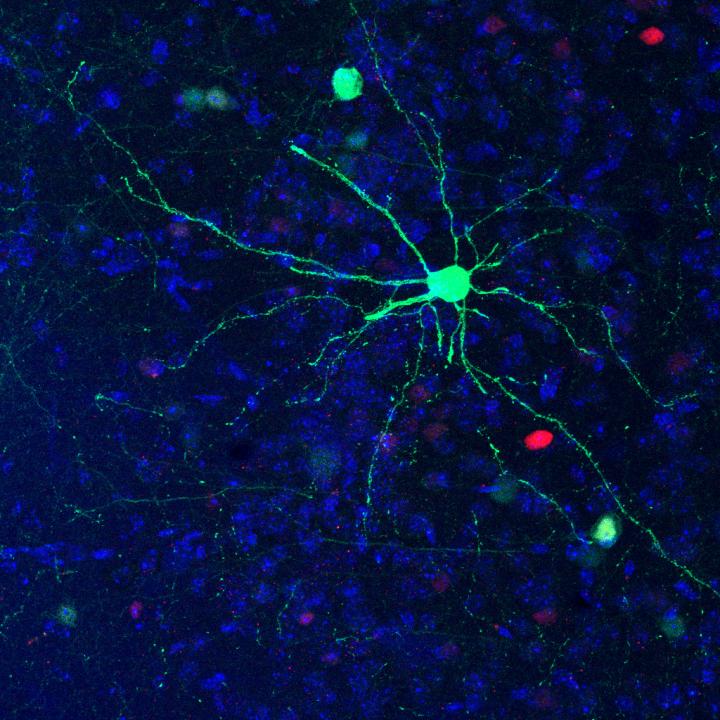
In a new paper published in Learning and Memory, researchers from Boston University's Center for Systems Neuroscience reveal just how much power scents have in triggering the memory of past experiences--and the potential for odor to be used as a tool to treat... Continue Reading →
 Scents of Science