
Thousands of words, big and small, are crammed inside our memory banks just waiting to be swiftly withdrawn and strung into sentences. In a recent study of epilepsy patients and healthy volunteers, National Institutes of Health researchers found that our... Continue Reading →
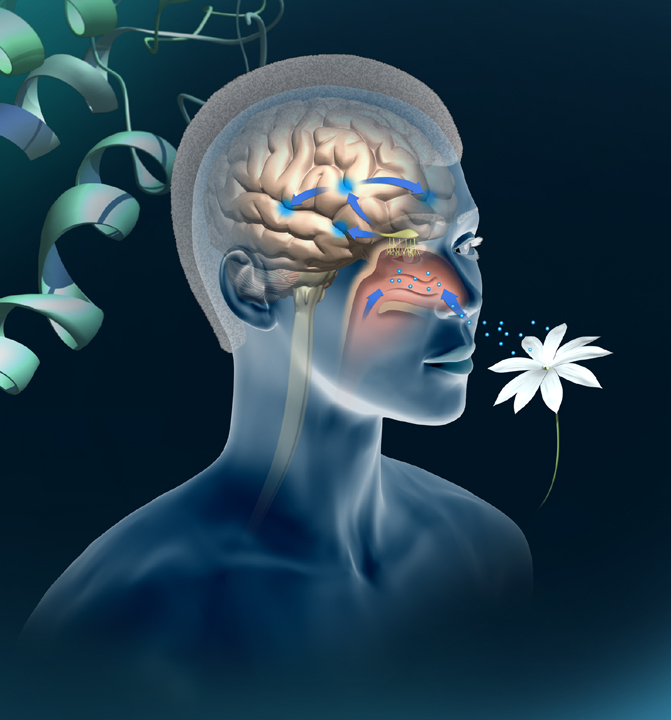
The premiere of the movie Scent of Mystery in 1960 marked a singular event in the annals of cinema: the first, and last, motion picture debut "in glorious Smell-O-Vision." Hoping to wow moviegoers with a dynamic olfactory experience alongside the... Continue Reading →
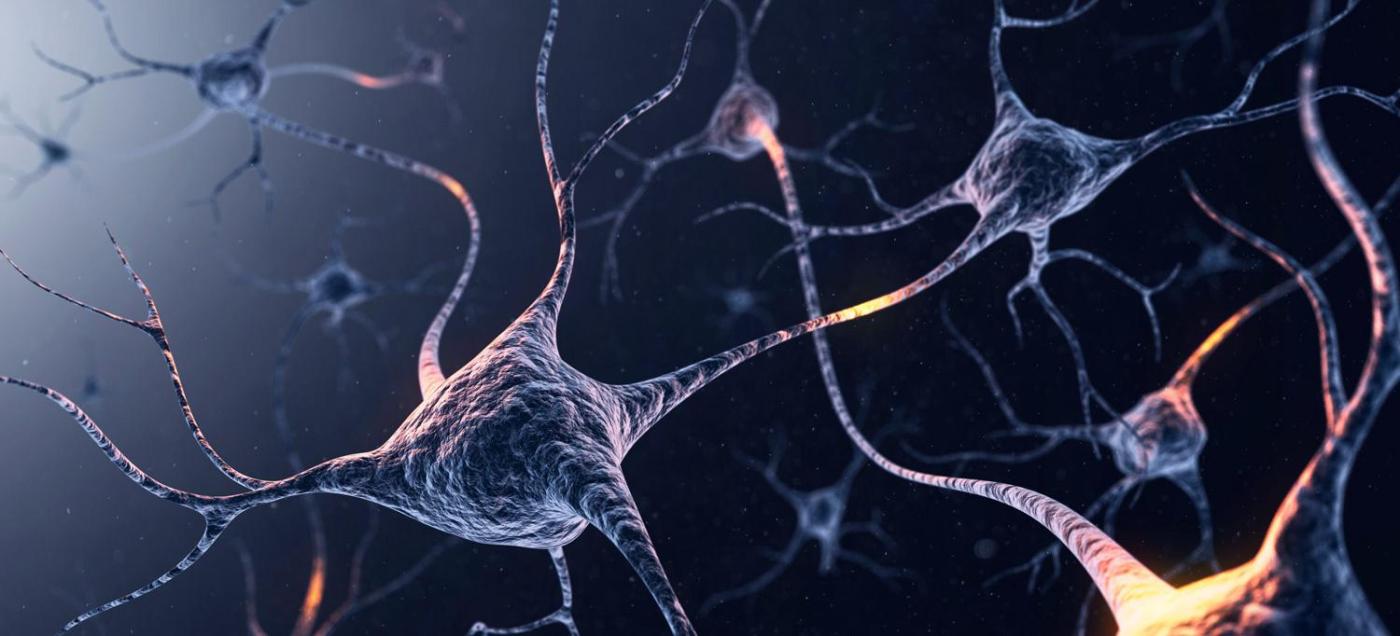
Scientists have further decoded how mammalian brains perceive odors and distinguish one smell from thousands of others. In experiments in mice, NYU Grossman School of Medicine researchers have for the first time created an electrical signature that is perceived as... Continue Reading →

In times of unexpected uncertainty, such as the sudden appearance of a global pandemic, people may be more prone to paranoia, Yale University researchers suggest in a new study published in the journal eLife. "When our world changes unexpectedly, we want... Continue Reading →
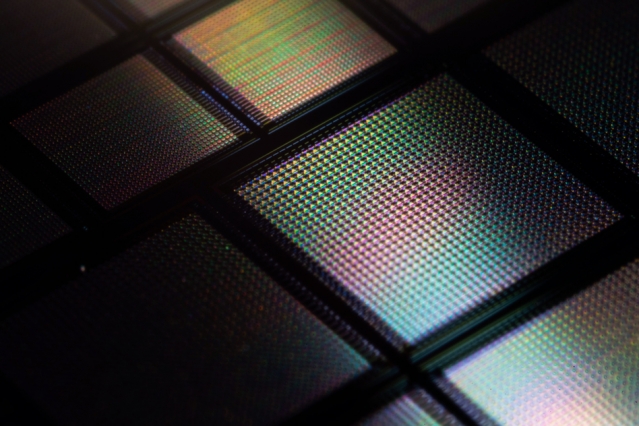
MIT engineers have designed a "brain-on-a-chip," smaller than a piece of confetti, that is made from tens of thousands of artificial brain synapses known as memristors -- silicon-based components that mimic the information-transmitting synapses in the human brain. The researchers... Continue Reading →

Fatty food may feel like a friend during these troubled times, but new research suggests that eating just one meal high in saturated fat can hinder our ability to concentrate -- not great news for people whose diets have gone... Continue Reading →

A woman walking down the street hears a bang. Several moments later she discovers her boyfriend, who had been walking ahead of her, has been shot. A month later, the woman checks into the emergency room. The noises made by... Continue Reading →
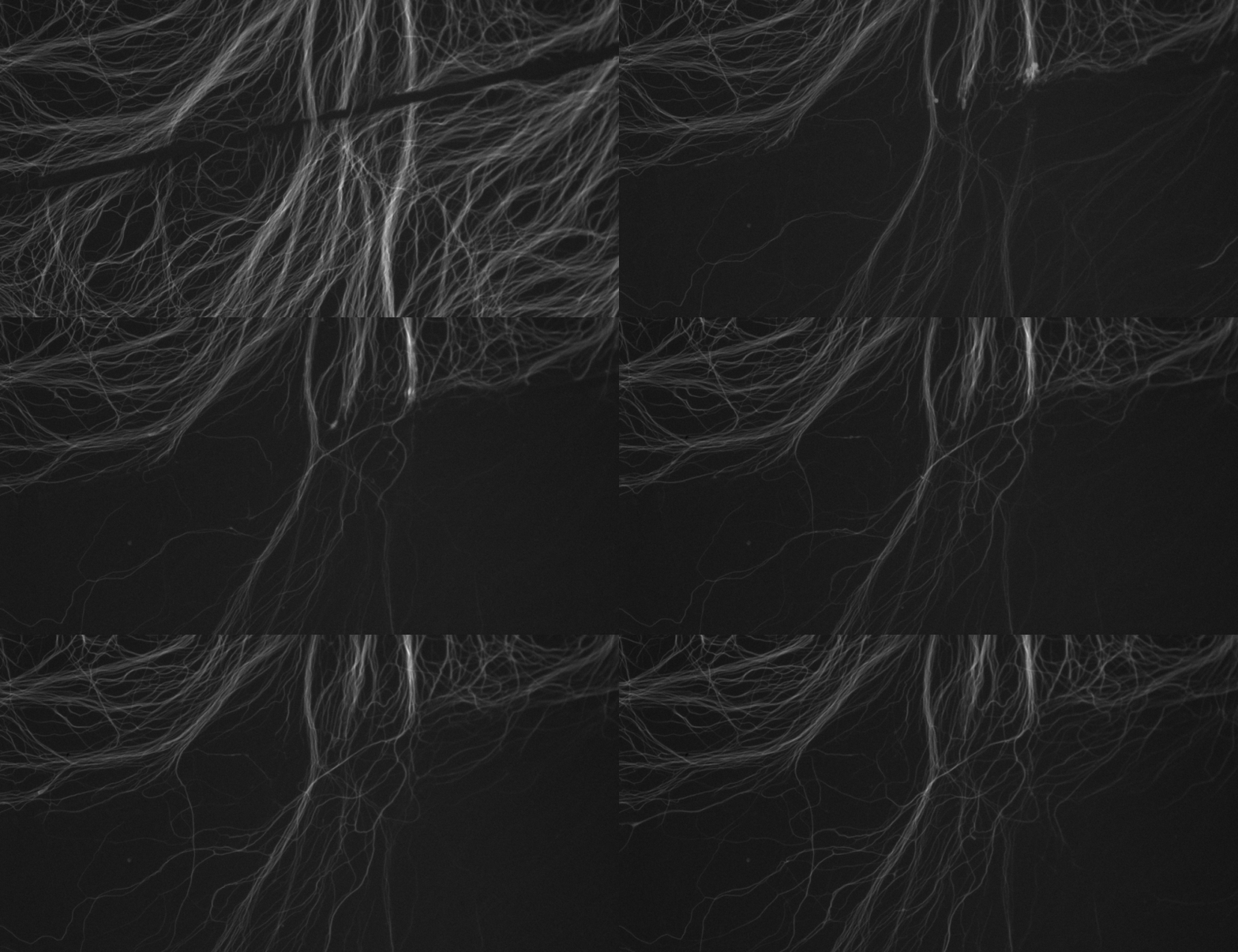
Like power lines in an electrical grid, long wiry projections that grow outward from neurons -- structures known as axons -- form interconnected communication networks that run from the brain to all parts of the body. But unlike an outage... Continue Reading →

For decades, biology textbooks have stated that eyes communicate with the brain exclusively through one type of signaling pathway. But a new discovery shows that some retinal neurons take a road less traveled. New research, led by Northwestern University, has... Continue Reading →
 Scents of Science