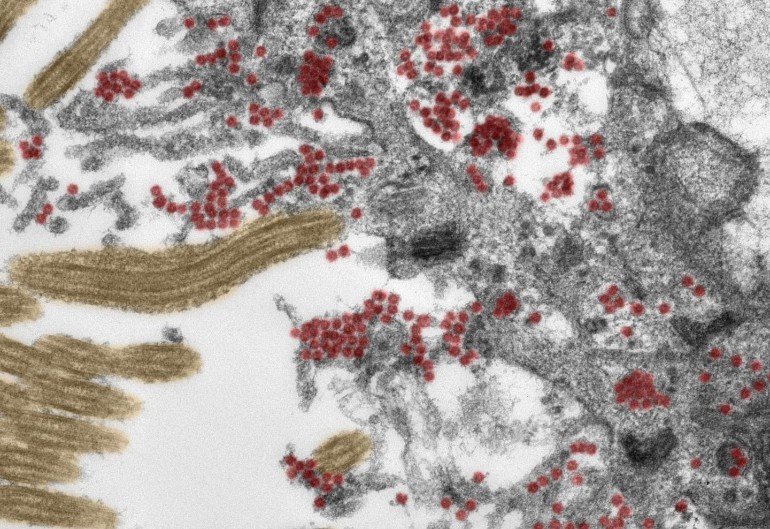
Using post-mortem tissue samples, a team of researchers from Charité – Universitätsmedizin Berlin have studied the mechanisms by which the novel coronavirus can reach the brains of patients with COVID-19, and how the immune system responds to the virus once... Continue Reading →
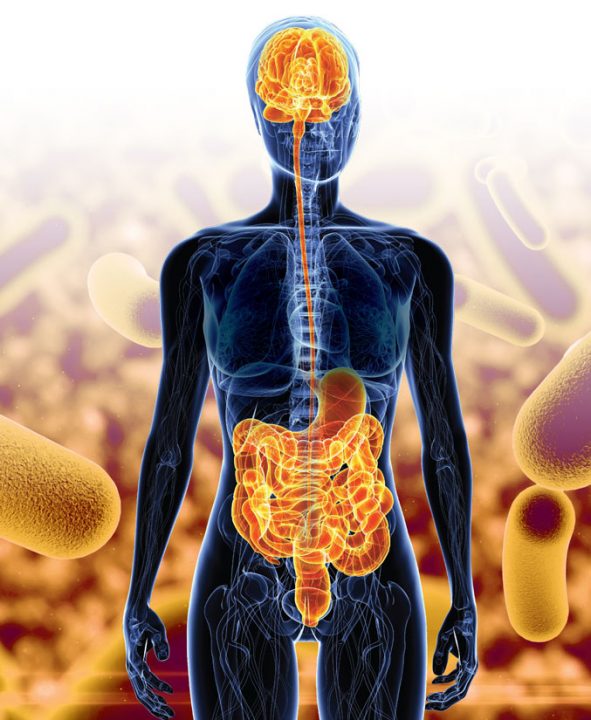
Alzheimer’s disease is the most common cause of dementia. Still incurable, it directly affects nearly one million people in Europe, and indirectly millions of family members as well as society as a whole. In recent years, the scientific community has... Continue Reading →

We may wish some memories could last a lifetime, but many physical and emotional factors can negatively impact our ability to retain information throughout life. A new study published in the journal Psychological Science found that people who feel enthusiastic and cheerful... Continue Reading →
As people age, they often lose their motivation to learn new things or engage in everyday activities. In a study of mice, MIT neuroscientists have now identified a brain circuit that is critical for maintaining this kind of motivation. This... Continue Reading →

Humans are born with a part of the brain that is prewired to be receptive to seeing words and letters, setting the stage at birth for people to learn how to read, a new study suggests. Analyzing brain scans of... Continue Reading →

Although the name may suggest otherwise, Parkinson's disease is not one but two diseases, starting either in the brain or in the intestines. Which explains why patients with Parkinson's describe widely differing symptoms, and points towards personalised medicine as the... Continue Reading →

Women with Alzheimer's live longer than men with the disease, and scientists at UC San Francisco now have evidence from research in both humans and mice that this is because they have genetic protection from the ravages of the disease.... Continue Reading →

Scientists at Johns Hopkins Medicine using MRI scans and computer modeling say they have further pinpointed areas of the human brain that regulate efforts to deal with fatigue. The findings, they say, could advance the development of behavioral and other... Continue Reading →

When we say someone has a quick mind, it may be in part thanks to our expanded cerebellum that distinguishes human brains from those of macaque monkeys, for example. Sometimes referred to by its Latin translation as the '"little brain"',... Continue Reading →
 Scents of Science