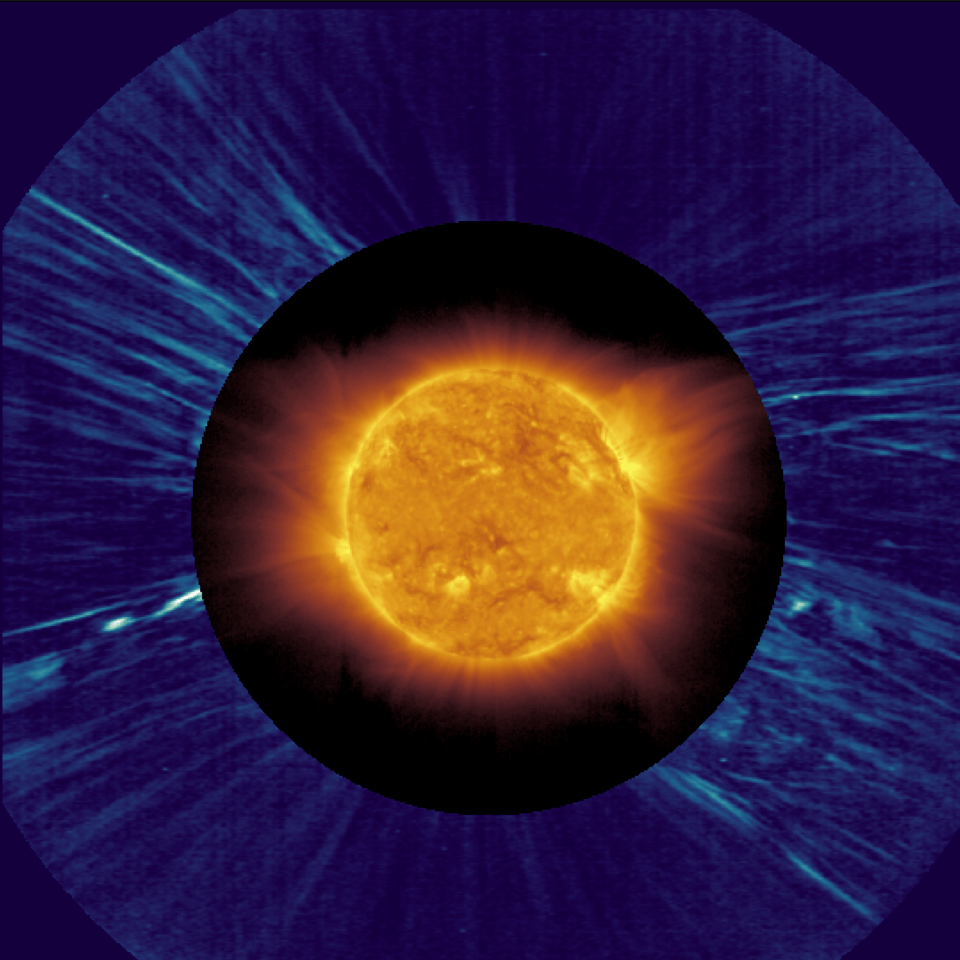
With data from its closest pass of the Sun yet, the ESA/NASA Solar Orbiter spacecraft has found compelling clues as to the origin of magnetic switchbacks, and points towards how their physical formation mechanism might help accelerate the solar wind.... Continue Reading →

For northern hemisphere dwellers, September's Full Moon was the Harvest Moon. Reflecting warm hues at sunset it rises over the historic town of Castiglione di Sicilia in this telephoto view from September 9. Famed in festival, story, and song Harvest Moon is just the traditional name... Continue Reading →

What are those red filaments in the sky? They are a rarely seen form of lightning confirmed only about 35 years ago: red sprites. Research has shown that following a powerful positive cloud-to-ground lightning strike, red sprites may start as 100-meter balls of ionized air that shoot down from about 80-km... Continue Reading →
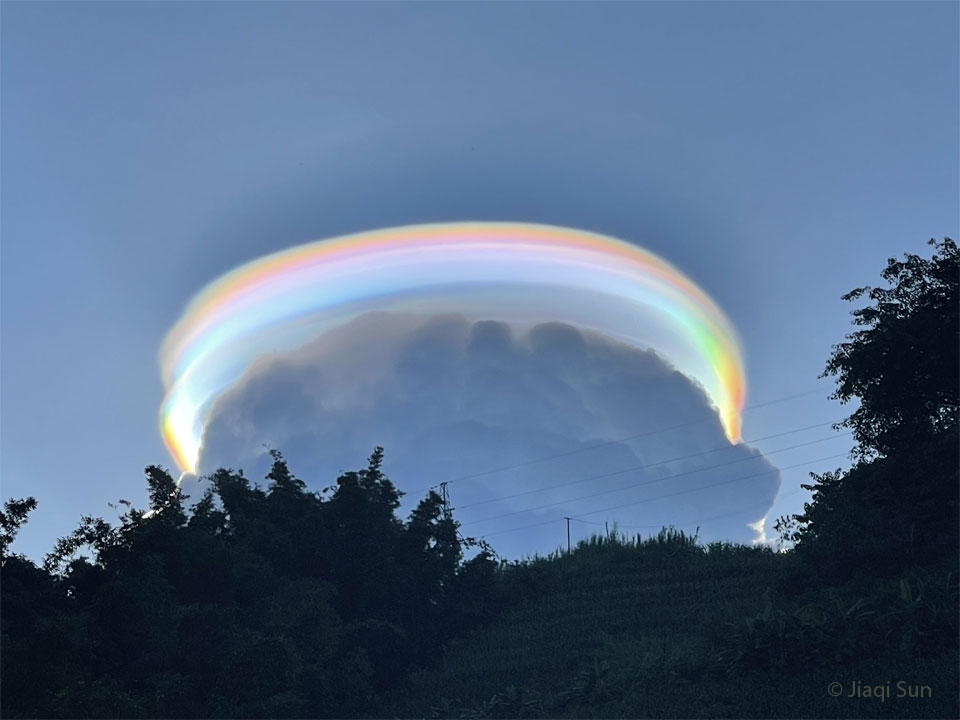
Yes, but how many dark clouds have a multicolored lining? Pictured, behind this darker cloud, is a pileus iridescent cloud, a group of water droplets that have a uniformly similar size and so together diffract different colors of sunlight by different amounts. The featured image was taken... Continue Reading →
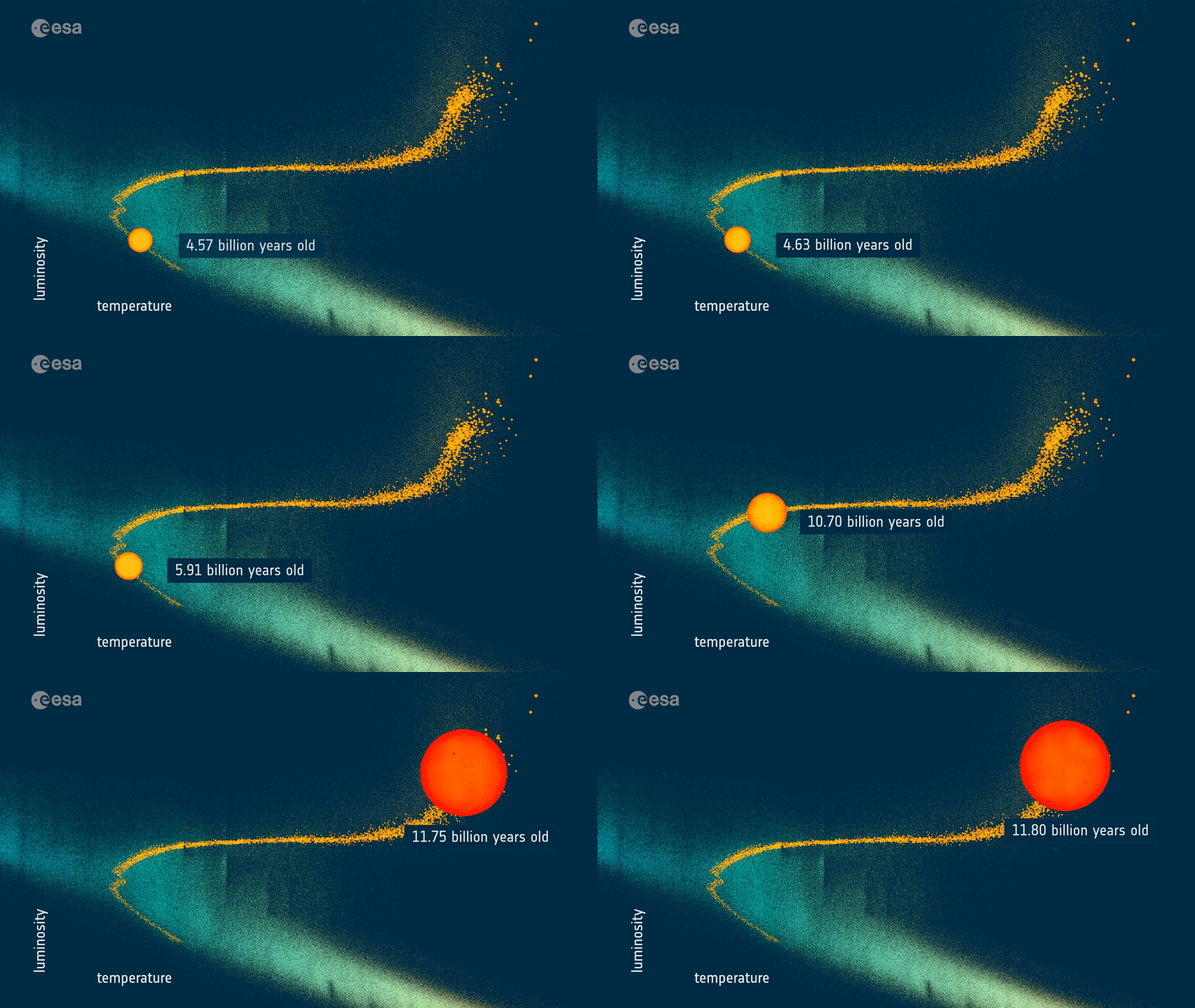
We all wish that we could sometimes see into the future. Now, thanks to the very latest data from ESA’s star mapping Gaia mission, astronomers can do just that for the Sun. By accurately identifying stars of similar mass and... Continue Reading →
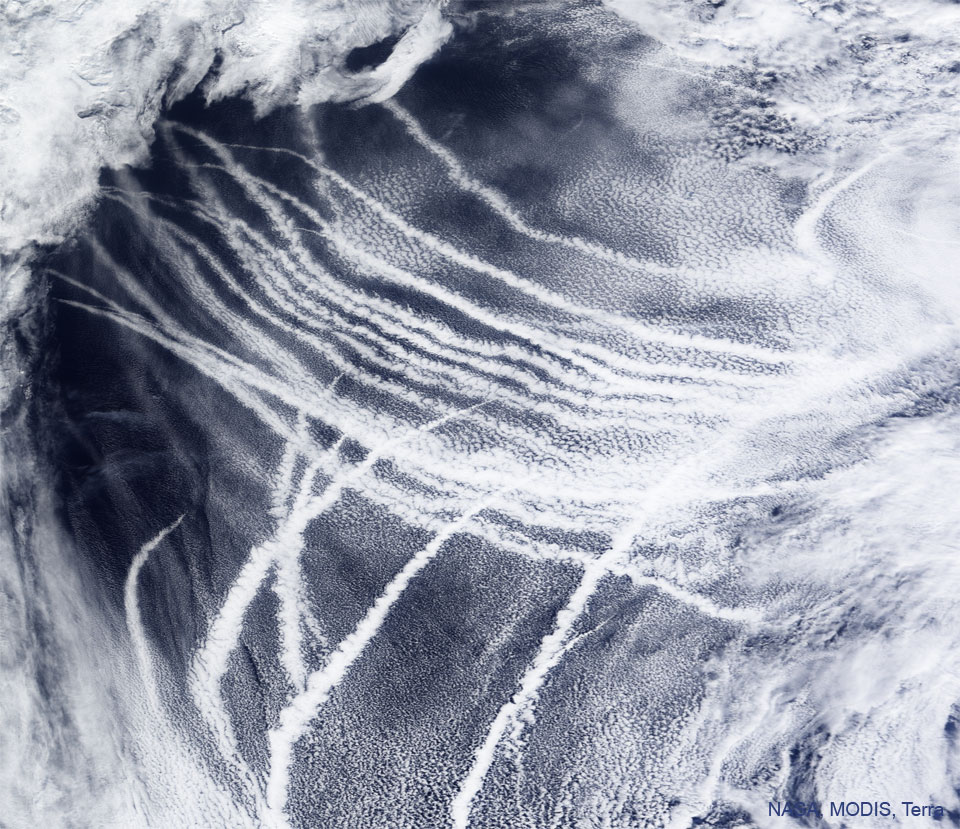
What are those unusual streaks? Some images of planet Earth show clear bright streaks that follow the paths of ships. Known as ship tracks, these low and narrow bands are caused by the ship's engine exhaust. Water vapor condenses around small bits of exhaust known as aerosols, which... Continue Reading →
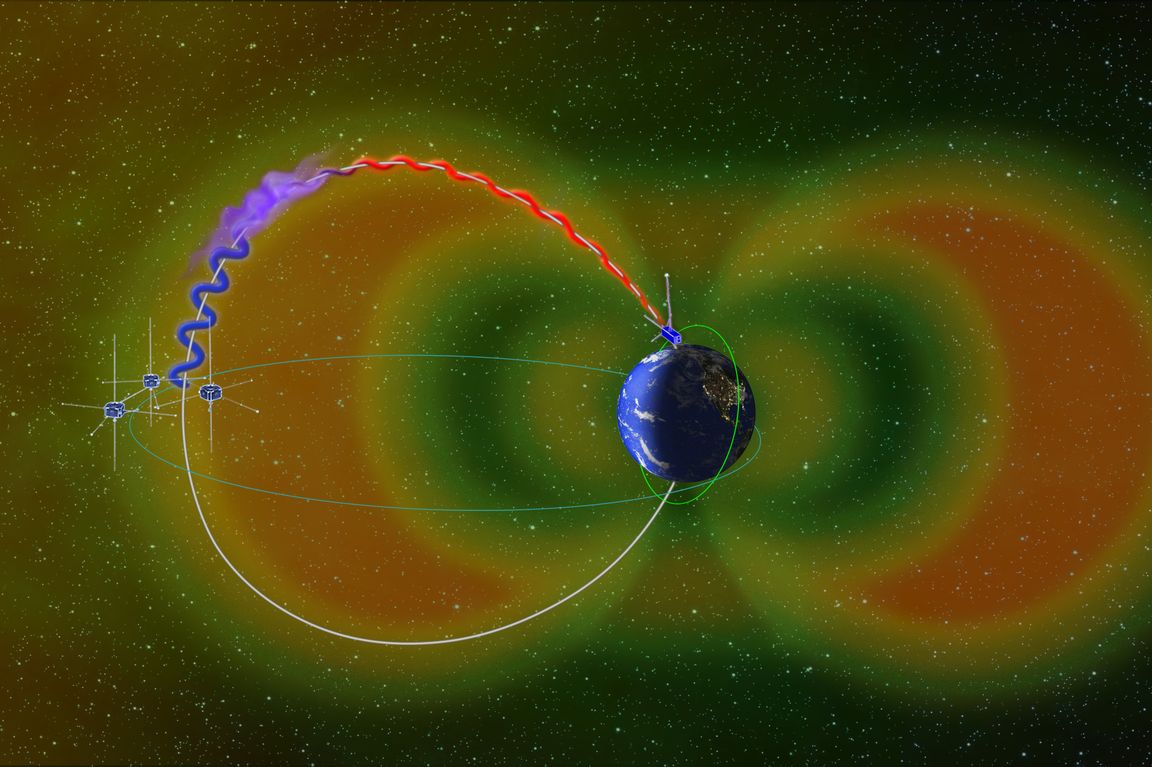
The researchers observed unexpected, rapid "electron precipitation" from low-Earth orbit using the ELFIN mission, a pair of tiny satellites built and operated on the UCLA campus by undergraduate and graduate students guided by a small team of staff mentors. By... Continue Reading →

Latest images reveal that the A-68A iceberg has shattered into multiple pieces, with two large fragments of ice breaking off from the main berg and floating away in the open ocean. Scientists using satellite data have not only been monitoring... Continue Reading →
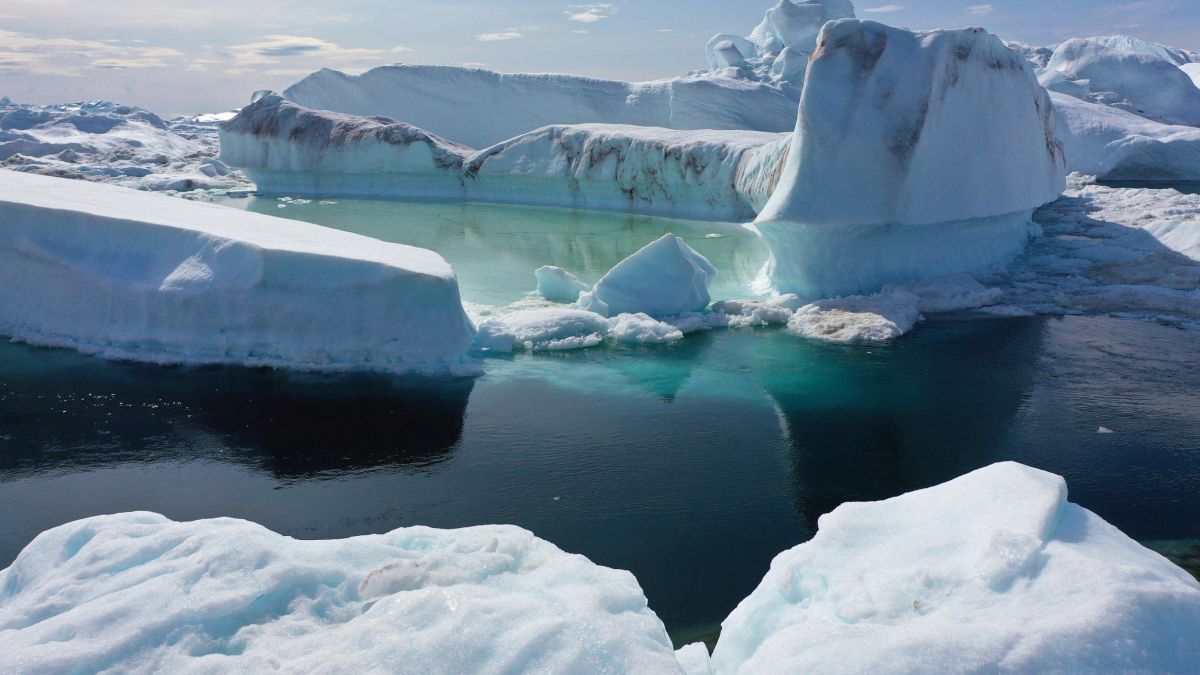
Nearly 40 years of satellite data from Greenland shows that glaciers on the island have shrunk so much that even if global warming were to stop today, the ice sheet would continue shrinking. The finding, published in the journal Nature Communications... Continue Reading →
 Scents of Science