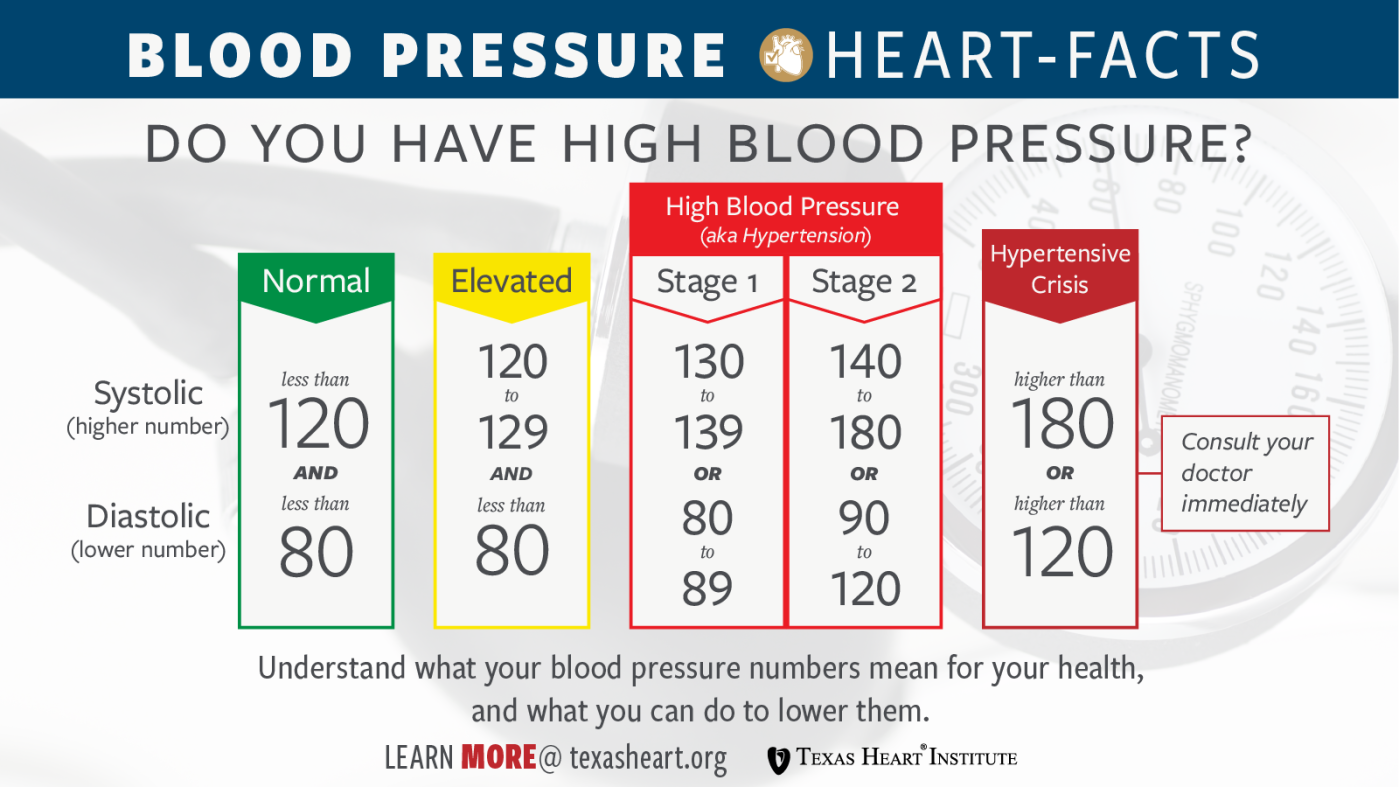
Higher than normal blood pressure is linked to more extensive brain damage in the elderly, according to a new study published in the European Heart Journal. In particular, the study found that there was a strong association between diastolic blood pressure... Continue Reading →

Adults with the healthiest sleep patterns had a 42% lower risk of heart failure regardless of other risk factors compared to adults with unhealthy sleep patterns, according to new research published today in the American Heart Association's flagship journal Circulation. Healthy... Continue Reading →

Over 80 percent of 200 COVID-19 patients in a hospital in Spain have vitamin D deficiency, according to a new study published in the Endocrine Society's Journal of Clinical Endocrinology & Metabolism. Vitamin D is a hormone the kidneys produce that... Continue Reading →
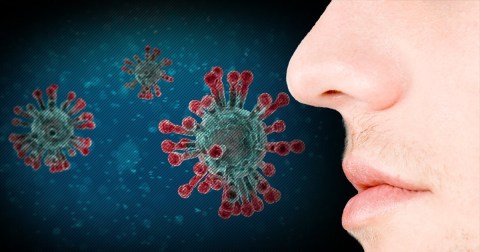
Temporary loss of smell, or anosmia, is the main neurological symptom and one of the earliest and most commonly reported indicators of COVID-19. Studies suggest it better predicts the disease than other well-known symptoms such as fever and cough, but... Continue Reading →
Increasing abdominal girth and shrinking muscles are two common side effects of aging. Researchers at the University of Bonn have discovered a receptor in mice that regulates both effects. Experiments with human cell cultures suggest that the corresponding signaling pathways... Continue Reading →
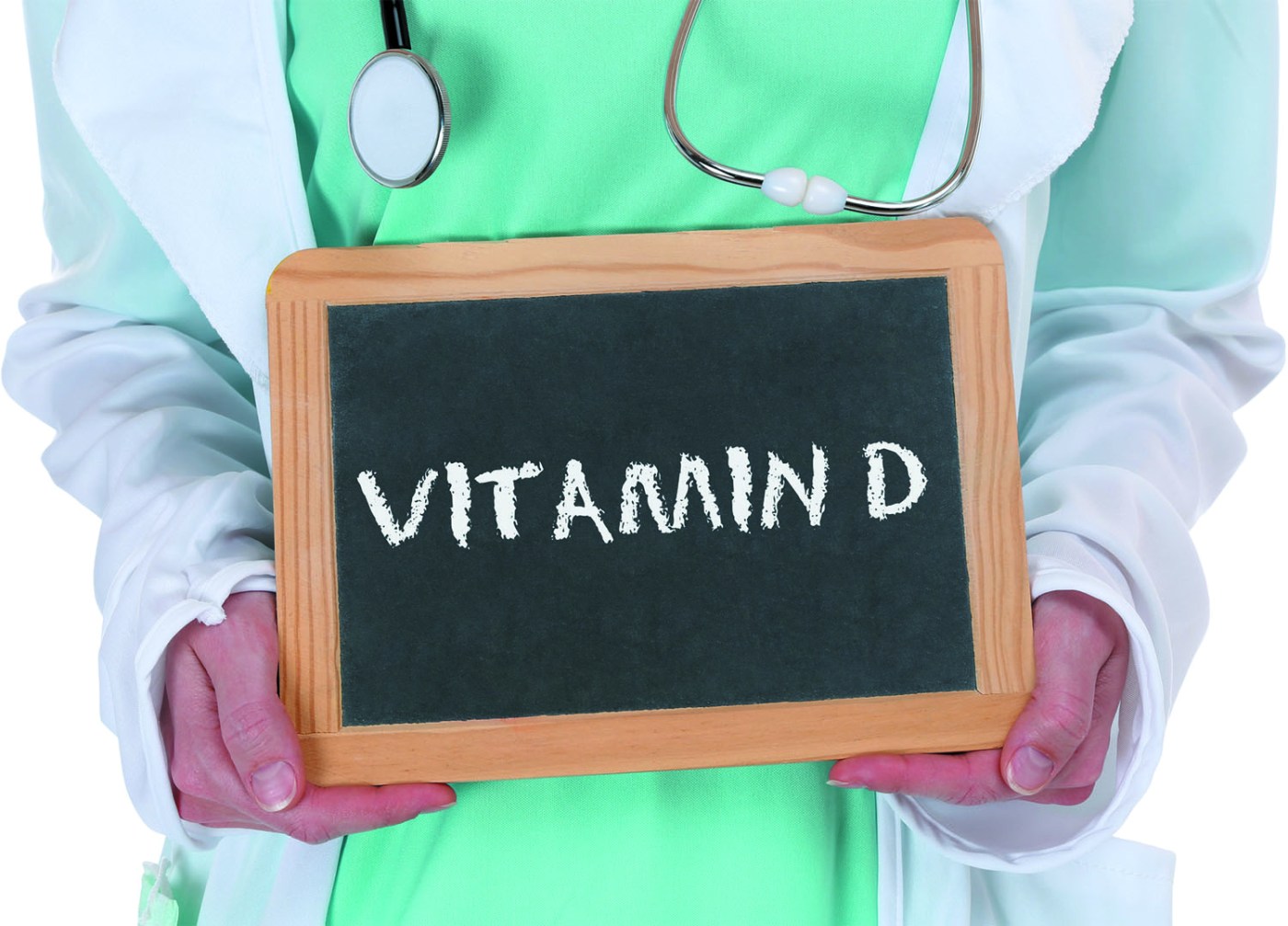
After studying global data from the novel coronavirus (COVID-19) pandemic, researchers have discovered a strong correlation between severe vitamin D deficiency and mortality rates. Led by Northwestern University, the research team conducted a statistical analysis of data from hospitals and... Continue Reading →

The bacterium that causes syphilis, Treponema pallidum, likely uses a single gene to escape the immune system, research from UW Medicine in Seattle suggests. The finding may help explain how syphilis can hide in the body for decades, thereby frustrating the... Continue Reading →

Two specific cell types in the nose have been identified as likely initial infection points for COVID-19 coronavirus. Scientists discovered that goblet and ciliated cells in the nose have high levels of the entry proteins that the COVID-19 virus uses... Continue Reading →
Loss of smell and taste has been anecdotally linked to COVID-19 infections. In a study published April 12, 2020 in the journal International Forum of Allergy & Rhinology, researchers at UC San Diego Health report the first empirical findings that strongly... Continue Reading →
 Scents of Science