
School of Medicine researchers and their collaborators have solved a decades-old mystery about how E. coli and other bacteria are able to move. Bacteria push themselves forward by coiling long, threadlike appendages into corkscrew shapes that act as makeshift propellers. But how... Continue Reading →
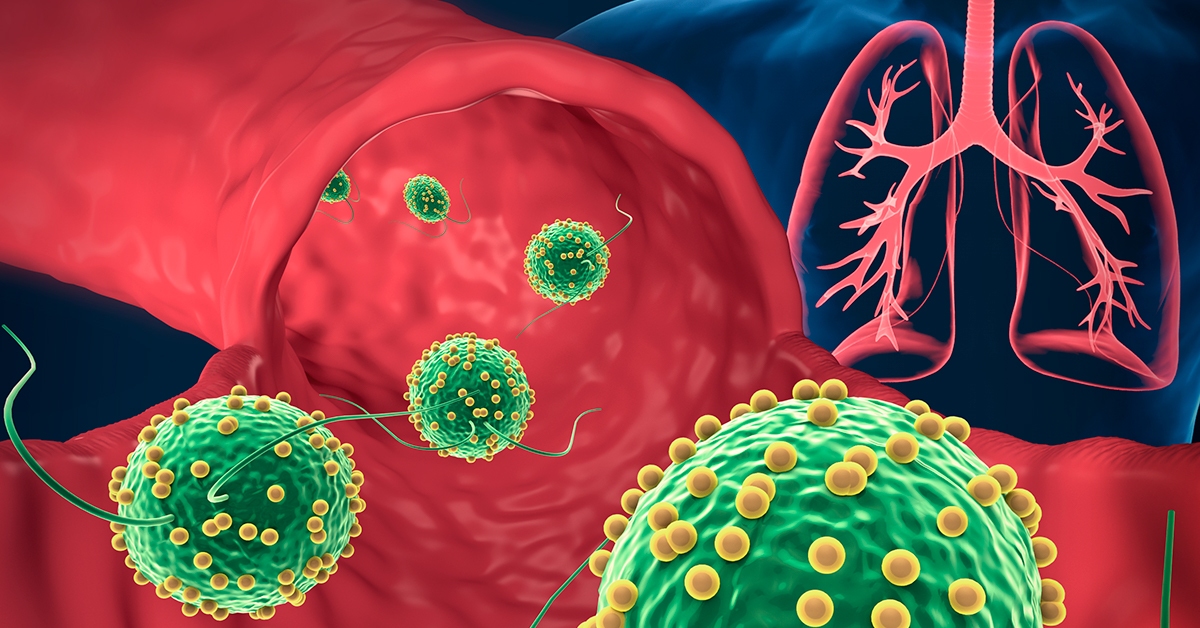
Nanoengineers at the University of California San Diego have developed microscopic robots, called microrobots, that can swim around in the lungs, deliver medication and be used to clear up life-threatening cases of bacterial pneumonia. In mice, the microrobots safely eliminated... Continue Reading →
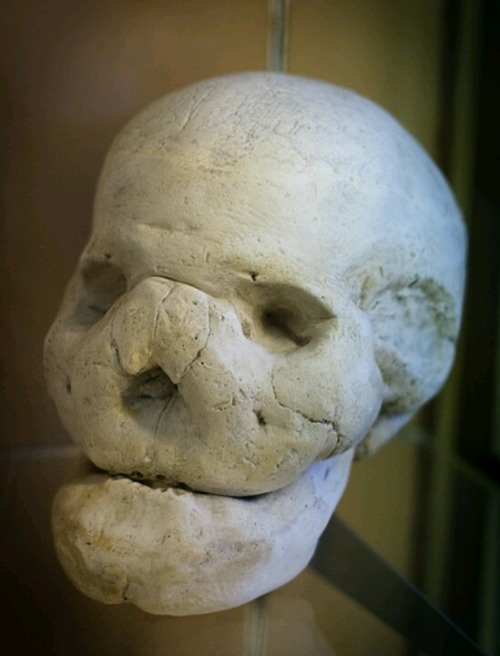
Leontiasis ossea is largely a historical term used to describe a number of conditions that result in the affected patient's face resembling that of a lion. Although it is most frequently associated with craniofacial fibrous dysplasia, it has a broader meaning encompassing... Continue Reading →

A new study has investigated the potential of proteins in common foods to elicit protection against SARS-CoV-2. The researchers found that antibodies that bind SARS-CoV-2 can also bind to proteins in certain foods, viruses, vaccines, and common bacteria. The results... Continue Reading →
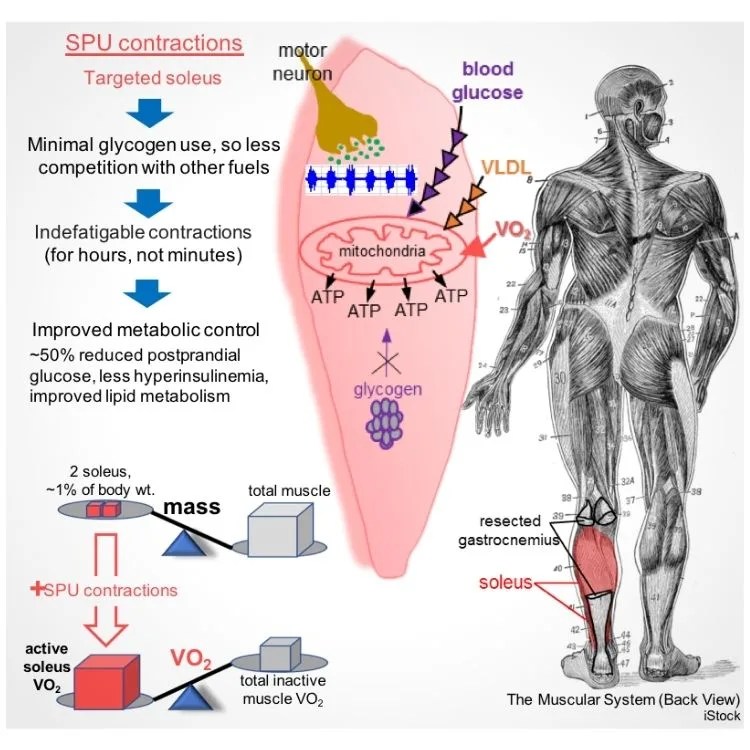
From the same mind whose research propelled the notion that “sitting too much is not the same as exercising too little,” comes a groundbreaking discovery set to turn a sedentary lifestyle on its ear: The soleus muscle in the calf,... Continue Reading →

Older people who were infected with COVID-19 show a substantially higher risk—as much as 50% to 80% higher than a control group—of developing Alzheimer’s disease within a year, according to a study of more than 6 million patients 65 and... Continue Reading →

For many Americans, the convenience of pre-cooked and instant meals may make it easy to overlook the less-than-ideal nutritional information, but a team led by researchers at Tufts University and Harvard University hope that will change after recently discovering a... Continue Reading →

This English film shows diagrams of heart and sinus-node mechanism, excitation-wave pathway, interpretation of electrocardiograph. https://www.youtube.com/watch?v=sJvhgycFYfs

Researchers at the University of Houston are reporting a first-of-its-kind technology that not only repairs heart muscle cells in mice but also regenerates them following a heart attack, or myocardial infarction as its medically known. Published in the Journal of Cardiovascular... Continue Reading →
 Scents of Science