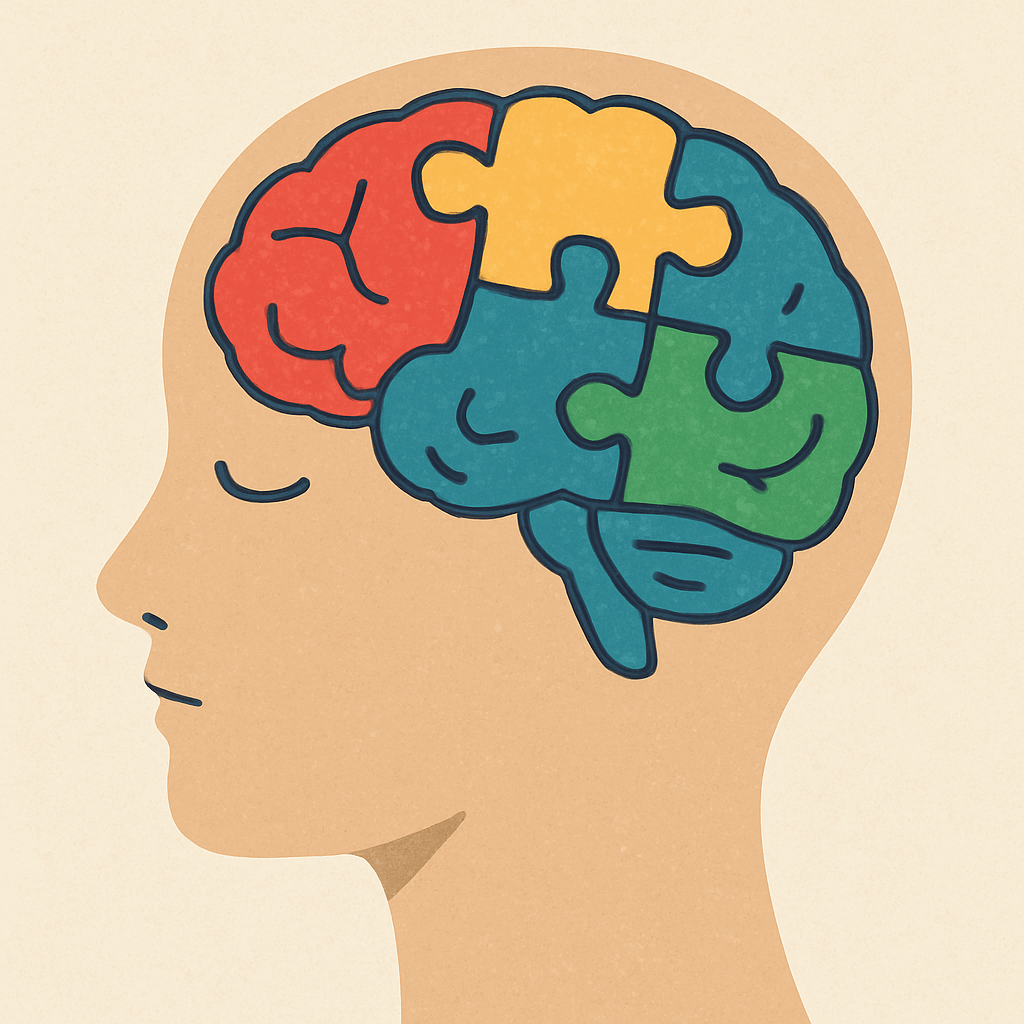
Stanford Medicine scientists investigating the neurological basis of autism spectrum disorder (ASD) have found that hyperactivity in a specific brain region could drive behaviors commonly associated with the disorder. Using the Cntnap2 knockout mouse model, the researchers, led by John Huguenard, PhD,... Continue Reading →

A research team co-led by a physician-scientist at the University of Arizona College of Medicine – Tucson’s Sarver Heart Center found that a subset of artificial heart patients can regenerate heart muscle, which may open the door to new ways to treat and... Continue Reading →

A new study co-led by investigators from Mass Eye and Ear, a member of Mass General Brigham, demonstrated the effectiveness of a gene therapy towards restoring hearing function for children suffering from hereditary deafness. In a trial of six children... Continue Reading →

New research indicates that the eating disorder anorexia nervosa is associated with being an early riser, unlike many other disorders that tend to be evening-based such as depression, binge eating disorder and schizophrenia. The study, which is published in JAMA Network... Continue Reading →

Using a type of artificial intelligence known as deep learning, MIT researchers have discovered a class of compounds that can kill a drug-resistant bacterium that causes more than 10,000 deaths in the United States every year. In a study appearing in Nature, the... Continue Reading →
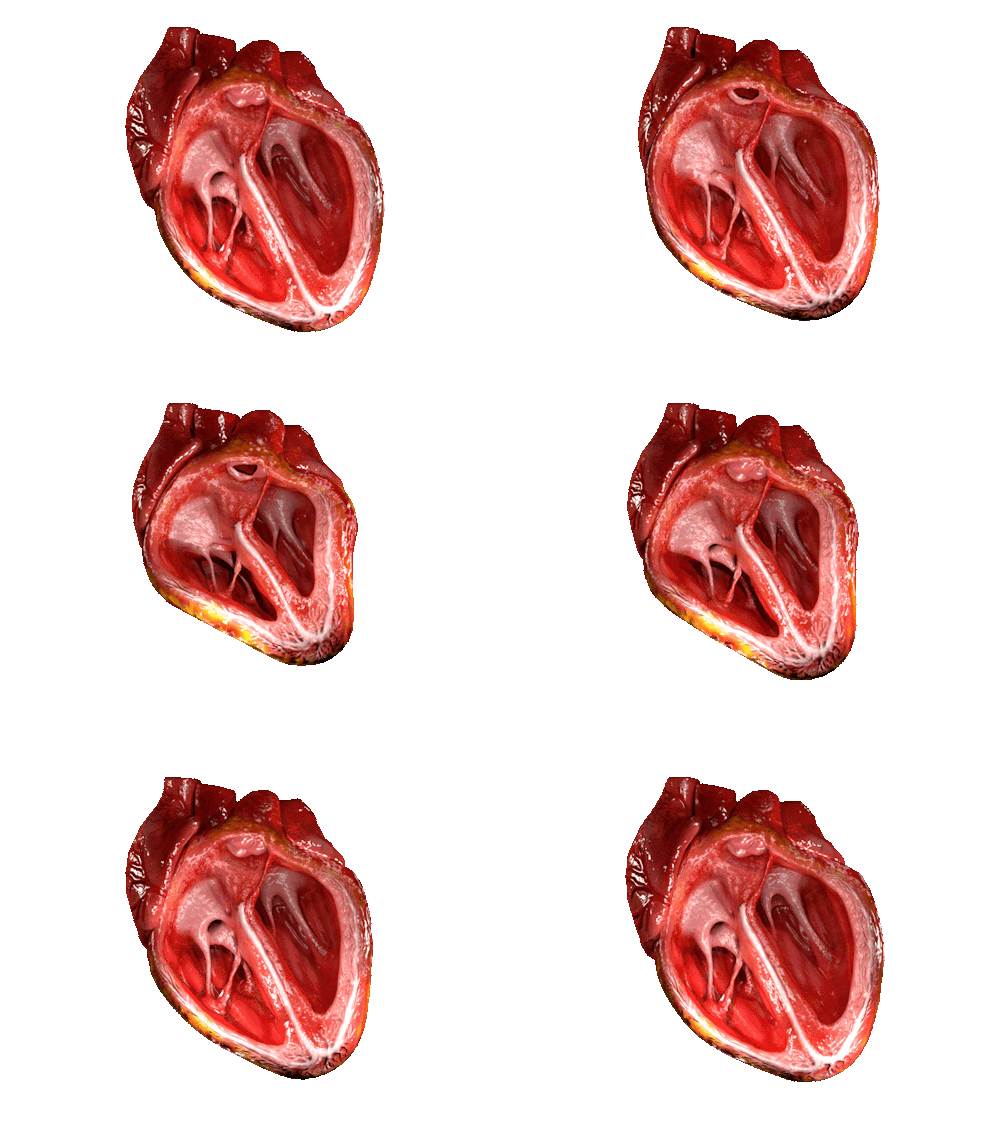
The chordae tendineae are a group of tough, tendinous strands in the heart. They are commonly referred to as the “heart strings” since they resemble small pieces of string. Functionally, the chordae tendineae play a vital role in holding the... Continue Reading →

Researchers Kara N. Fitzgerald, Tish Campbell, Suzanne Makarem, and Romilly Hodges from the Institute for Functional Medicine, Virginia Commonwealth University and the American Nutrition Association reported on a case series of six women who completed a methylation-supportive diet and lifestyle program designed to impact DNA methylation and measures of... Continue Reading →

Doctors at Queen Mary University of London and Barts Hospital, and Cambridge University Hospital, have led research using a new type of CT scan to light up tiny nodules in a hormone gland and cure high blood pressure by their... Continue Reading →

An estimated 55 million people worldwide live with dementia, a number that’s expected to rise as the global population ages. To find treatments that can slow or stop the disease, scientists need to better understand the factors that can cause... Continue Reading →
 Scents of Science