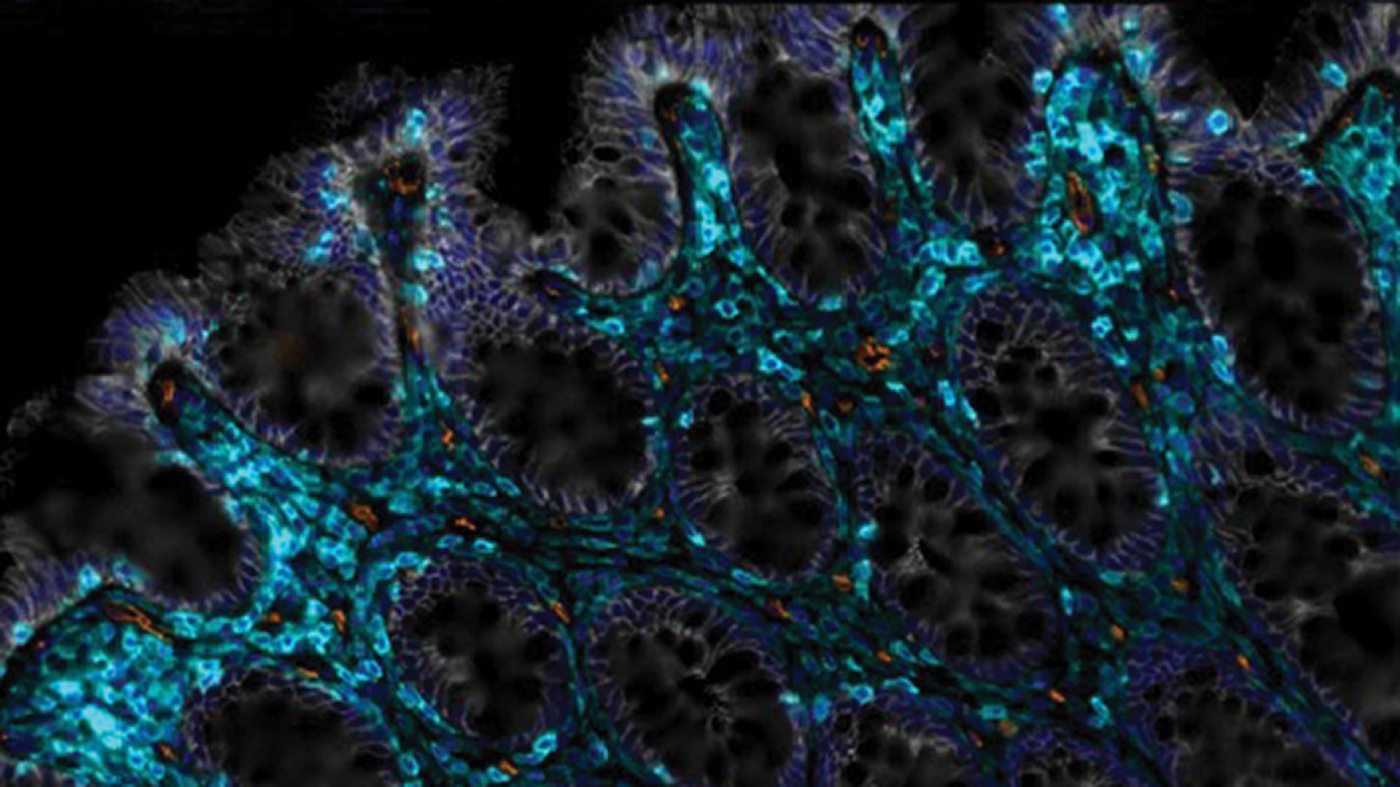
Ever notice that as you get older, some foods no longer sit with you the same? This could be due to a breakdown of the intestinal epithelium, a single layer of cells that forms the organ’s lining. The intestine plays... Continue Reading →

Researchers are taking a closer look at how medications used to treat diabetes may also influence cancer. While diabetes itself has long been associated with higher cancer risk, scientists are now investigating whether diabetes drugs play a direct role beyond... Continue Reading →

Colorectal cancer is the second leading cause of cancer death worldwide. If detected early, it can be efficiently treated, but the cost and discomfort of colonoscopies - the main diagnostic method currently in use - often result in delayed diagnosis.... Continue Reading →
Cutting off blood flow can prematurely age the bone marrow, weakening the immune system's ability to fight cancer, according to a new study from NYU Langone Health. Published online August 19 in JACC-CardioOncology, the study showed that peripheral ischemia-restricted blood flow in... Continue Reading →

Scientists have developed new light-sensitive chemicals that can radically improve the treatment of aggressive cancers with minimal side effects. In mouse tests, the new therapy completely eradicated metastatic breast cancer tumors. The novel chemicals, called cyanine-carborane salts, and their role... Continue Reading →

In a new analysis of data from more than a dozen studies, coffee and tea consumption was linked with lower risks of developing head and neck cancers, including cancers of the mouth and throat. Cancers of the head and neck are the seventh... Continue Reading →

Pushing into a new chapter of technologically advanced biological sensors, scientists from the University of California San Diego and their colleagues in Australia have engineered bacteria that can detect the presence of tumor DNA in a live organism. Their innovation,... Continue Reading →

A patient's own immune cells, multiplied into an army of billions of immune cells in a lab, can be used as a living medicine against metastatic melanoma, an aggressive form of skin cancer, as the TIL trial has shown. The... Continue Reading →

Women who used chemical hair straightening products were at higher risk for uterine cancer compared to women who did not report using these products, according to a new study from the National Institutes of Health. The researchers found no associations... Continue Reading →
 Scents of Science