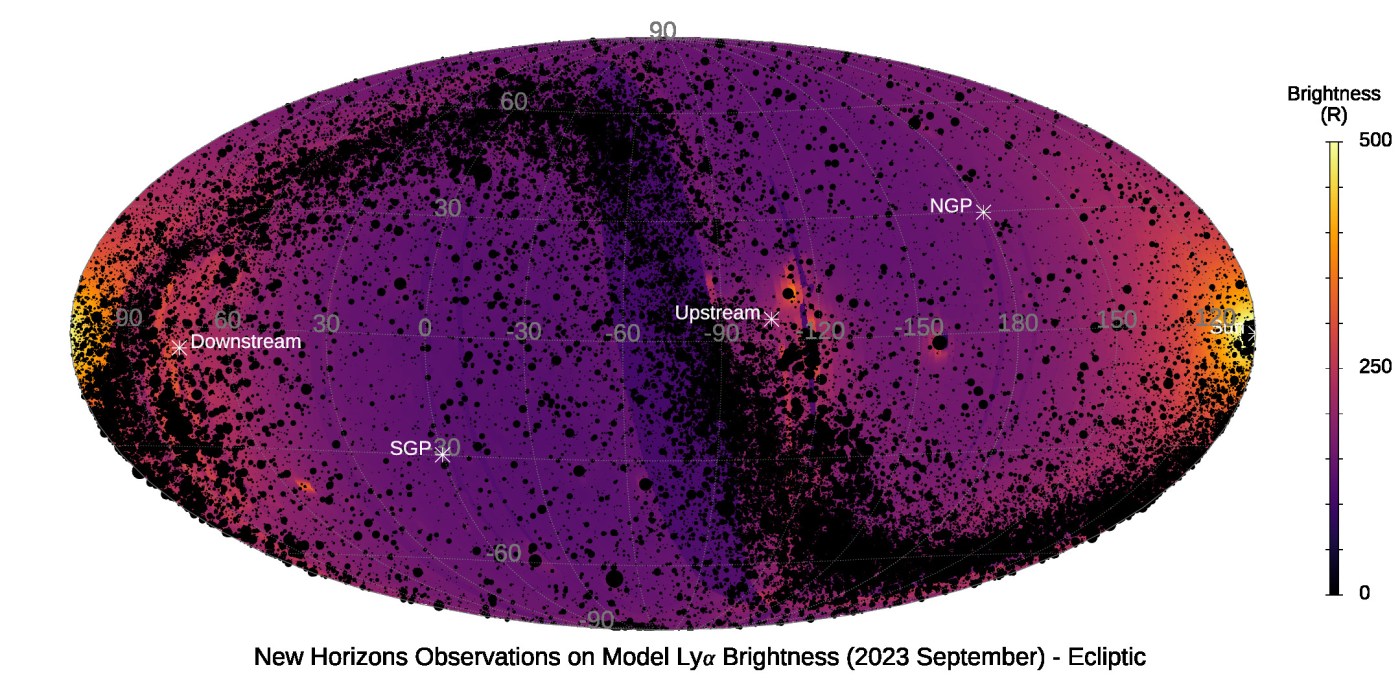
The NASA New Horizons spacecraft’s extensive observations of Lyman-alpha emissions have resulted in the first-ever map from the galaxy at this important ultraviolet wavelength, providing a new look at the galactic region surrounding our solar system. The findings are described... Continue Reading →

Daily exposure to certain chemicals used to make plastic household items could be linked to the more than 356,000 global deaths from heart disease that occurred in 2018 alone, a new analysis of population surveys shows. Although the chemicals, called... Continue Reading →
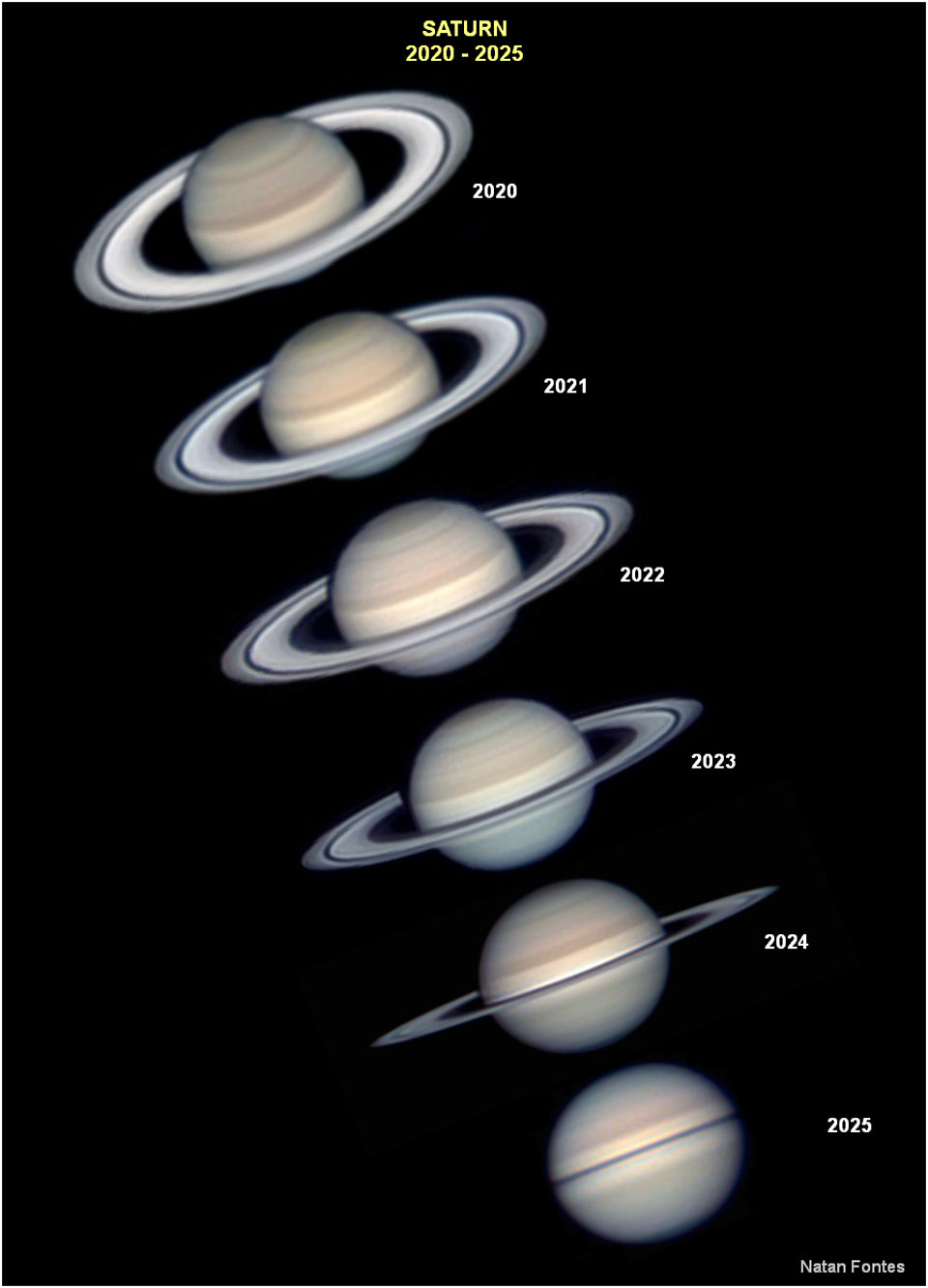
Where are Saturn's ears? Galileo is credited, in 1610, as the first person to see Saturn's rings. Testing out Lipperhey's recently co-invented telescope, Galileo did not know what they were and so called them "ears". The mystery deepened in 1612, when Saturn's ears mysteriously disappeared. Today... Continue Reading →
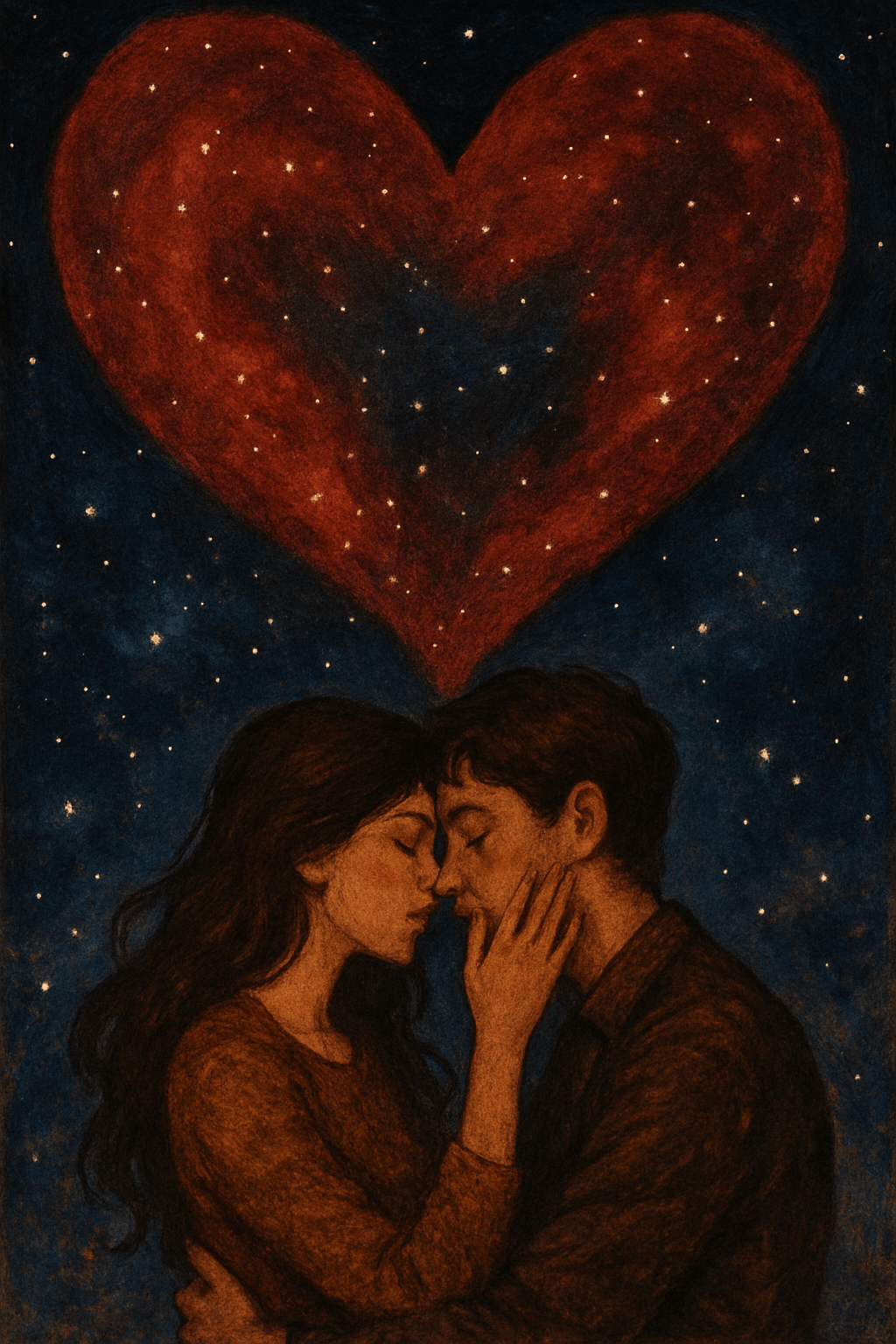
In the loom of stars, the cosmos thread,A fabric stretched where thoughts have bledDesire spins in nebulae’s glow,Love drifts in orbits we barely know. Our minds, a storm of silent flight,Swirl dreams like comets lost in night,Each thought a flare,... Continue Reading →
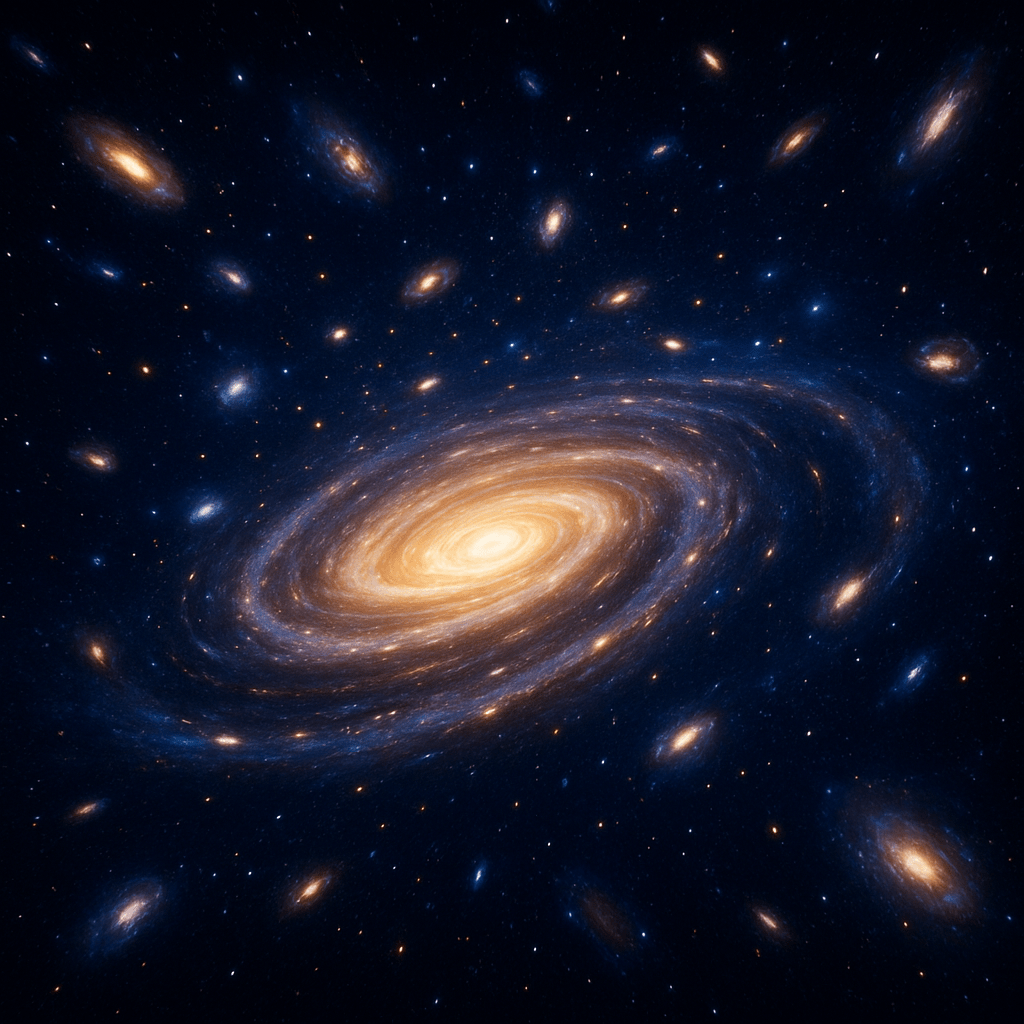
A new study in Monthly Notices of the Royal Astronomical Society by researchers including István Szapudi of the University of Hawaiʻi Institute for Astronomy suggests the universe may rotate—just extremely slowly. The finding could help solve one of astronomy’s biggest puzzles. “To paraphrase the... Continue Reading →

What created the unusual halo around the Cat's Eye Nebula? No one is sure. What is sure is that the Cat's Eye Nebula (NGC 6543) is one of the best known planetary nebulae on the sky. Although haunting symmetries are seen in the bright central... Continue Reading →
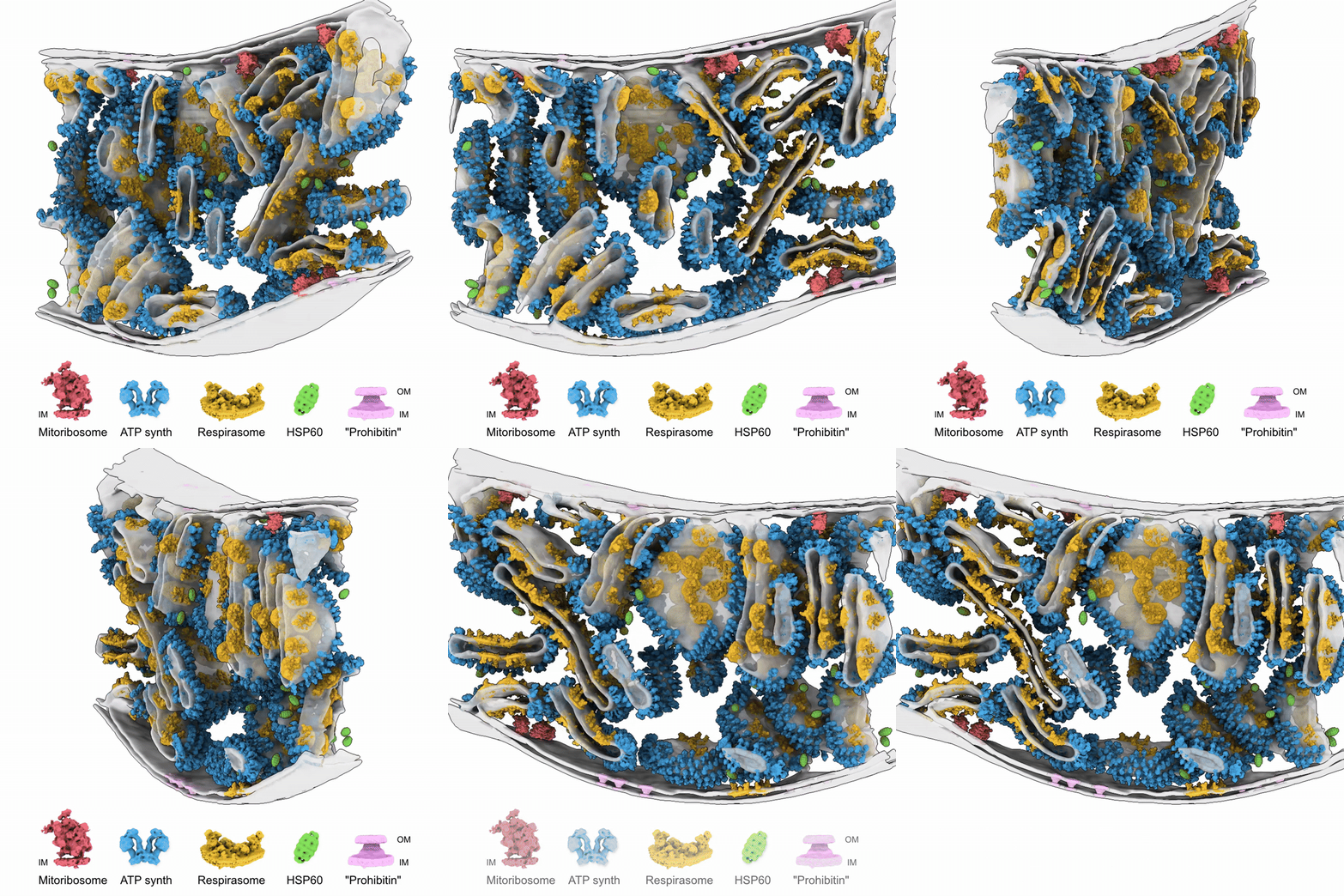
Mitochondria are the powerhouses in our cells, producing the energy for all vital processes. Using cryo-electron tomography, researchers at the Biozentrum of the University of Basel have now gained insight into the architecture of mitochondria at unprecedented resolution. They discovered... Continue Reading →
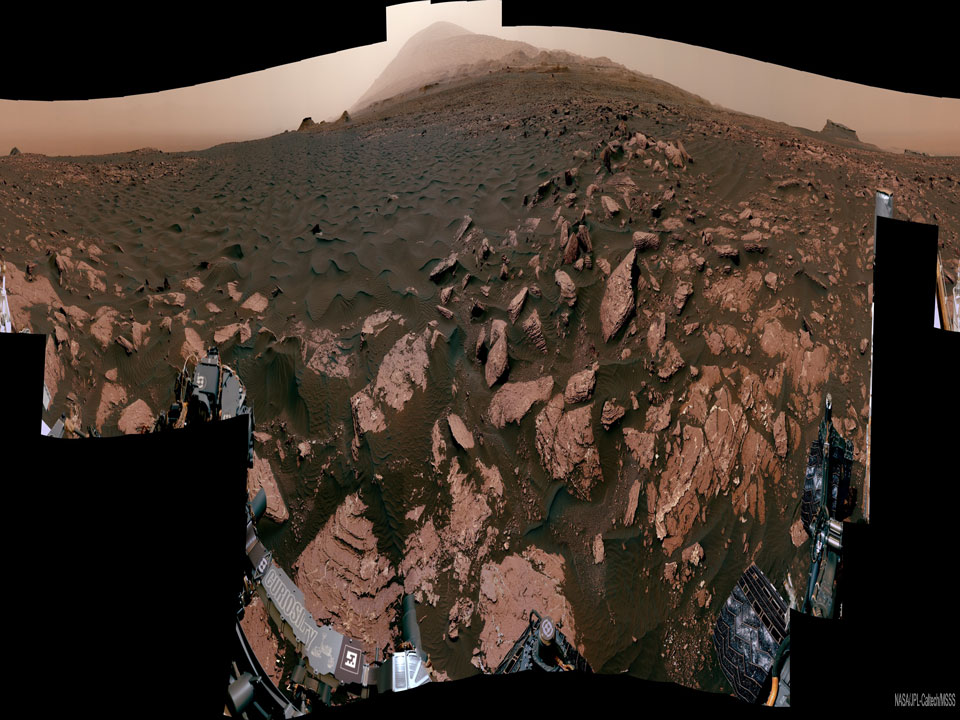
This was once a beach -- on ancient Mars. The featured 360-degree panorama, horizontally compressed, was taken in 2017 by the robotic Curiosity rover that explored the red planet. Named Ogunquit Beach after its terrestrial counterpart, evidence shows that at times long ago the area was underwater,... Continue Reading →
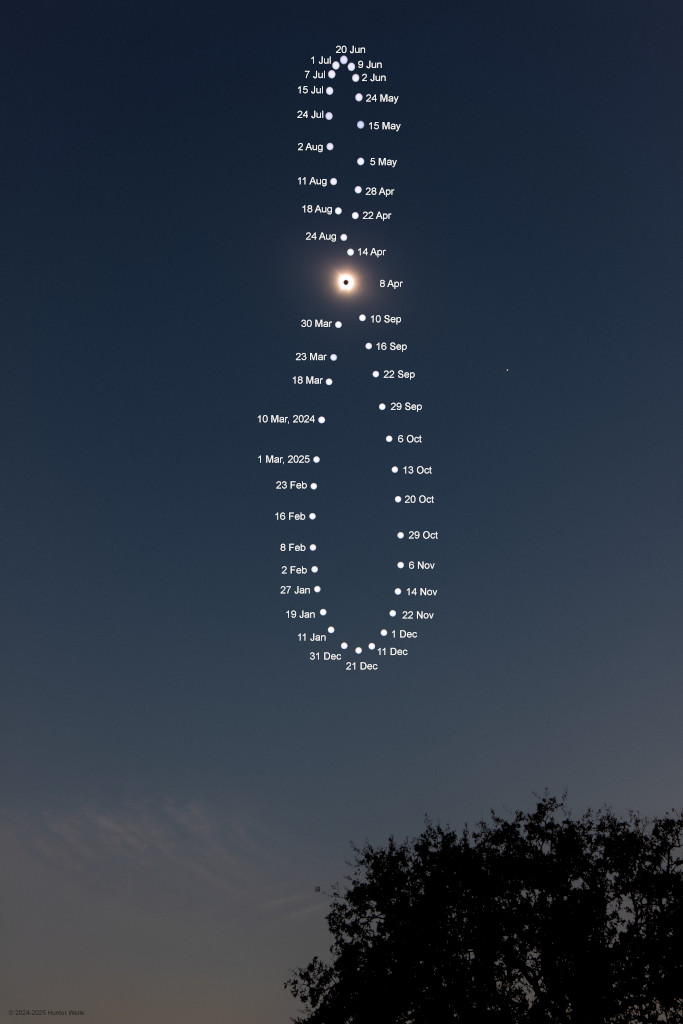
Recorded from 2024 March 10, to 2025 March 1, this composited series of images reveals a pattern in the seasonal drift of the Sun's daily motion through planet Earth's sky. Known to some as an analemma, the figure-eight curve was captured in exposures... Continue Reading →
 Scents of Science