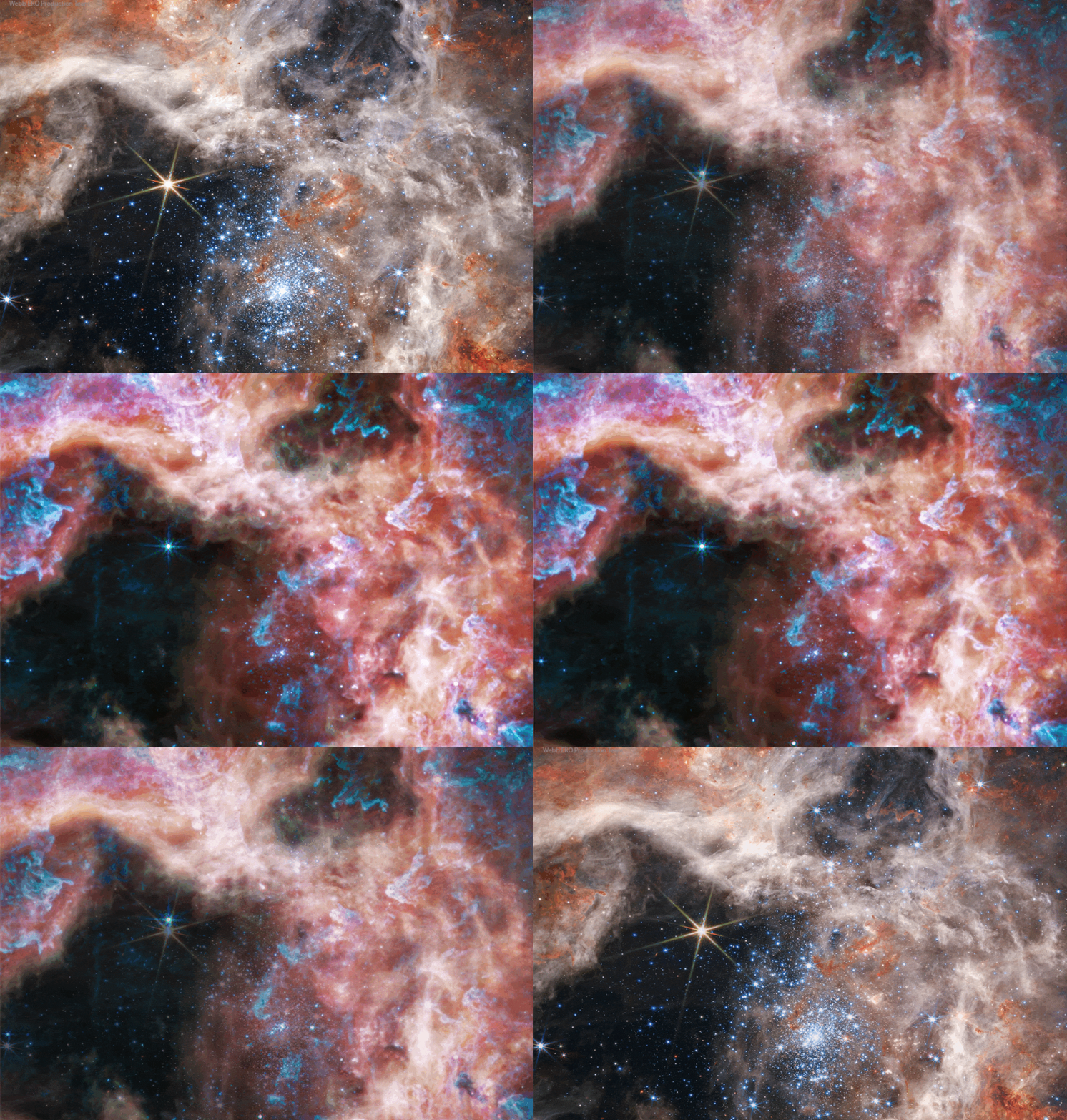
Near the center of a nearby star-forming region lies a massive cluster containing some of the largest and hottest stars known. Collectively known as star cluster NGC 2070, these stars are part of the vast Tarantula Nebula and were captured in two kinds... Continue Reading →

Be it magnets or superconductors: materials are known for their various properties. However, these properties may change spontaneously under extreme conditions. Researchers at the Technische Universität Dresden (TUD) and the Technische Universität München (TUM) have discovered an entirely new type... Continue Reading →
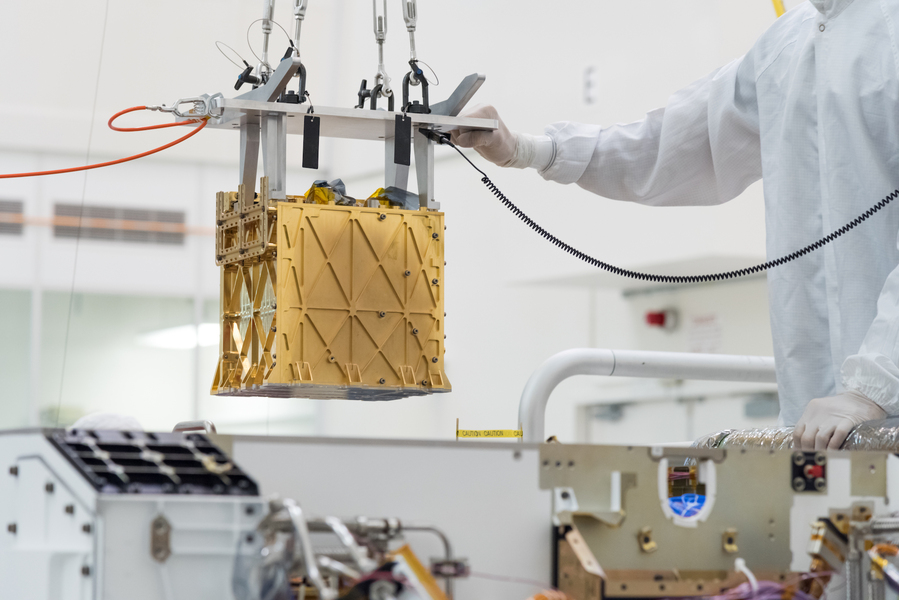
On the red and dusty surface of Mars, nearly 100 million miles from Earth, an instrument the size of a lunchbox is proving it can reliably do the work of a small tree. The MIT-led Mars Oxygen In-Situ Resource Utilization... Continue Reading →

For many Americans, the convenience of pre-cooked and instant meals may make it easy to overlook the less-than-ideal nutritional information, but a team led by researchers at Tufts University and Harvard University hope that will change after recently discovering a... Continue Reading →
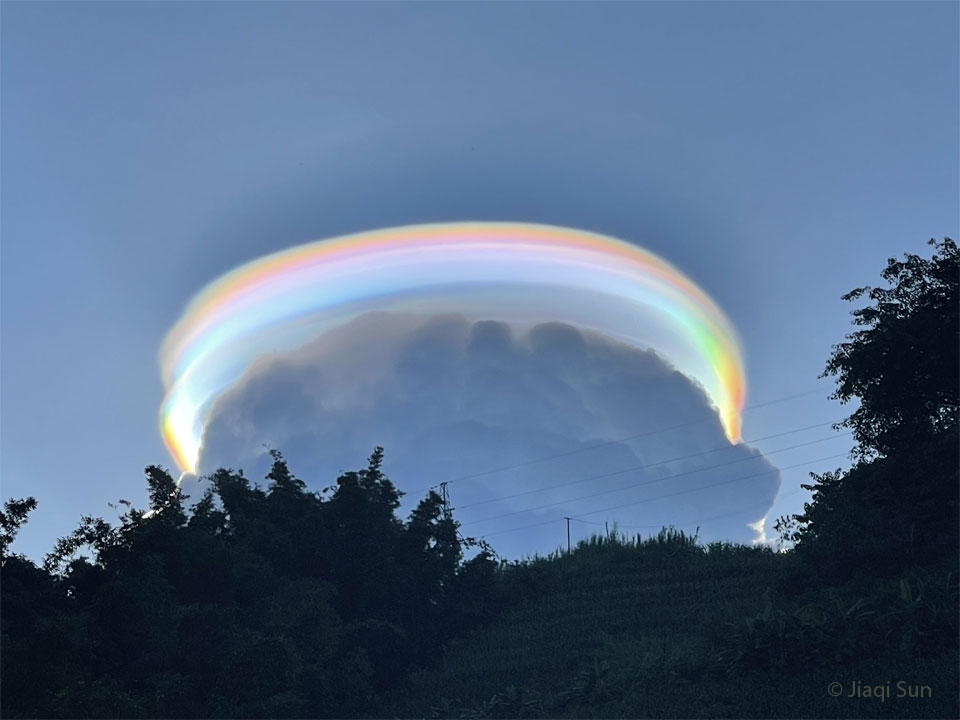
Yes, but how many dark clouds have a multicolored lining? Pictured, behind this darker cloud, is a pileus iridescent cloud, a group of water droplets that have a uniformly similar size and so together diffract different colors of sunlight by different amounts. The featured image was taken... Continue Reading →

The axolotl (Ambystoma mexicanum) is an aquatic salamander renowned for its ability to regenerate its spinal cord, heart and limbs. These amphibians also readily make new neurons throughout their lives. In 1964, researchers observed that adult axolotls could regenerate parts of their brains, even if a... Continue Reading →
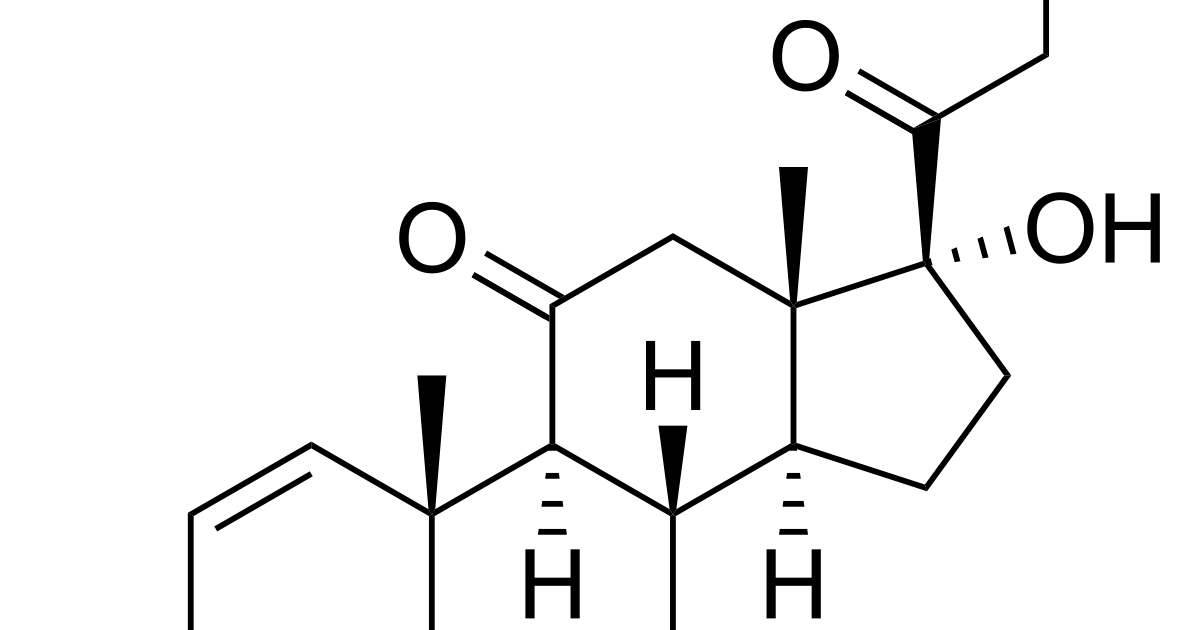
The use of prescribed steroids, including in inhalers, is linked to changes in the structure and volume of white and grey matter in the brain, suggests the findings of the largest study of its kind, published in the open access journal BMJ... Continue Reading →
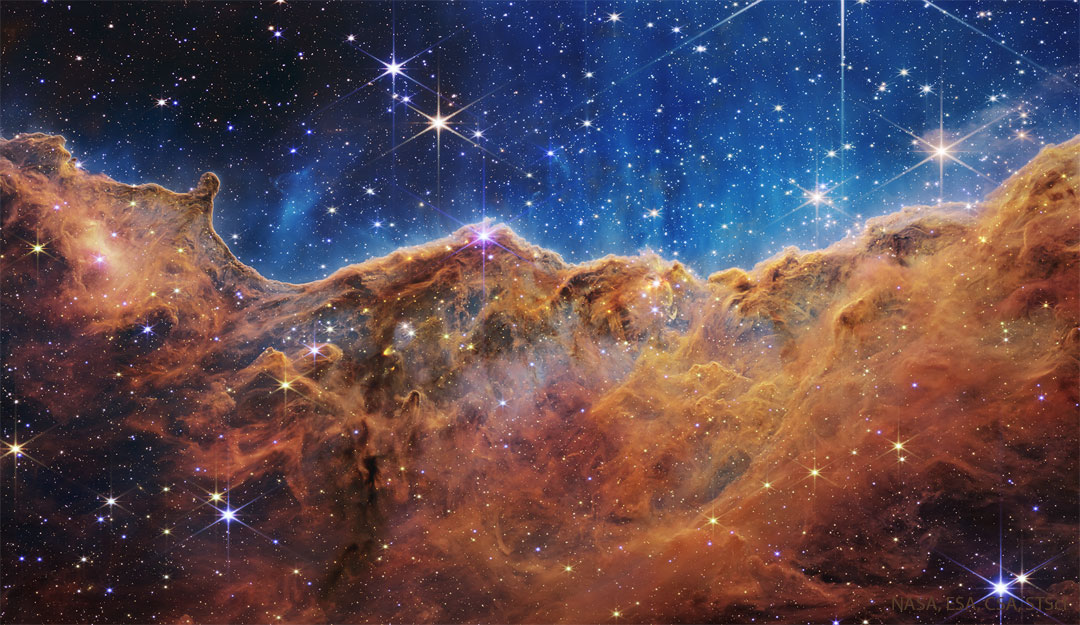
Stars created these cliffs. Specifically, the destructive winds and energetic light from the stars in the open cluster NGC 3324 eroded away part of a mountain of dark interstellar dust in the northern part of the Carina Nebula. Several of these stars are visible toward the top of this highly detailed image taken... Continue Reading →

I have been feeling very clearheaded lately and what I want to write about today is the sea. It contains so many colors. Silver at dawn, green at noon, dark blue in the evening. Sometimes it looks almost red. Or... Continue Reading →
 Scents of Science