
The small, northern constellation Triangulum harbors this magnificent face-on spiral galaxy, M33. Its popular names include the Pinwheel Galaxy or just the Triangulum Galaxy. M33 is over 50,000 light-years in diameter, third largest in the Local Group of galaxies after the Andromeda Galaxy (M31), and... Continue Reading →

Despite being essential to life on Earth, the magnetic field isn’t something we can actually see in itself, or ever hear. But, remarkably, scientists at the Technical University of Denmark have taken magnetic signals measured by ESA’s Swarm satellite mission... Continue Reading →
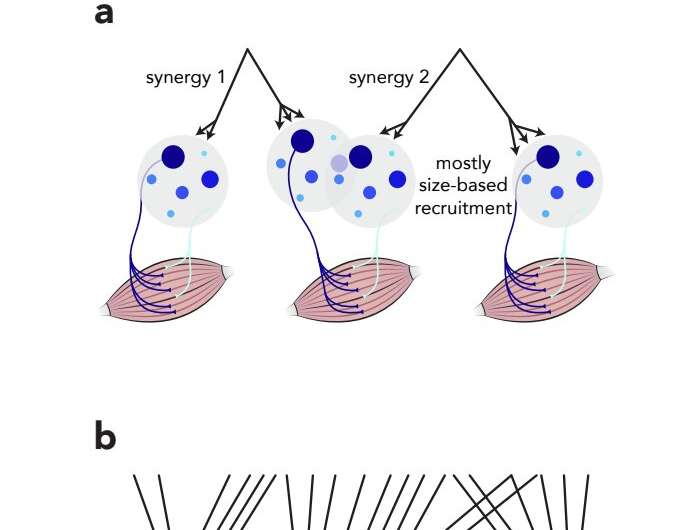
Moving an arm or leg in a rhythmic motion—cranking a handle, for instance, or pedaling a bicycle—is a feat of biological orchestration, as illustrated here in scientific data from a new study of movements made by animals. Muscle force (top... Continue Reading →
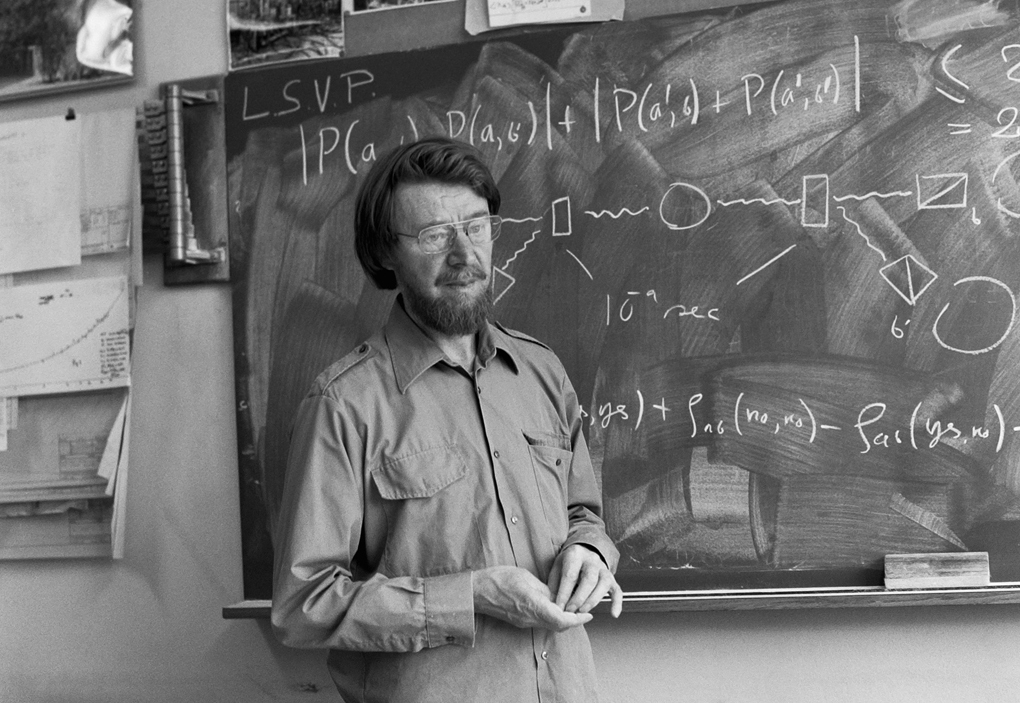
Quantum theory predicts the existence of so-called tripartite-entangled states, in which three quantum particles are related in a way that has no counterpart in classical physics. Theoretical physicists would like to understand how well new theories, alternatives to quantum theory,... Continue Reading →
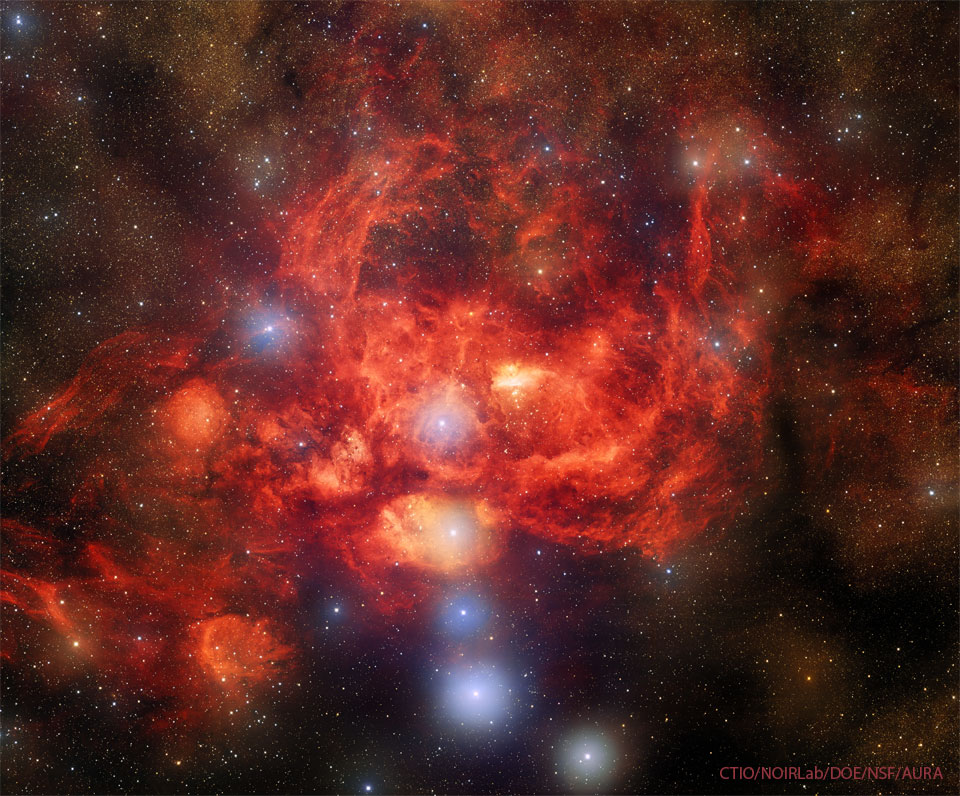
Why is the Lobster Nebula forming some of the most massive stars known? No one is yet sure. Cataloged as NGC 6357, the Lobster Nebula houses the open star cluster Pismis 24 near its center -- a home to unusually bright and massive stars.... Continue Reading →
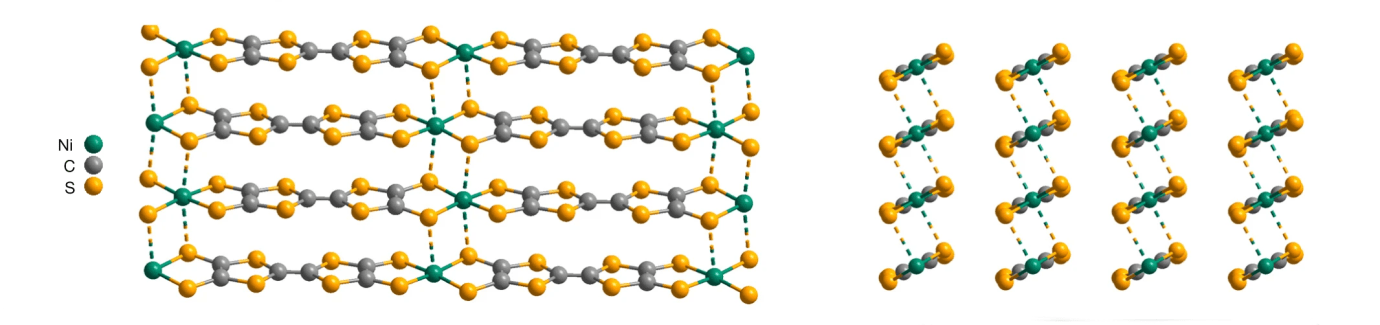
Scientists with the University of Chicago have discovered a way to create a material that can be made like a plastic, but conducts electricity more like a metal. The research, published Oct. 26 in Nature, shows how to make a kind of... Continue Reading →
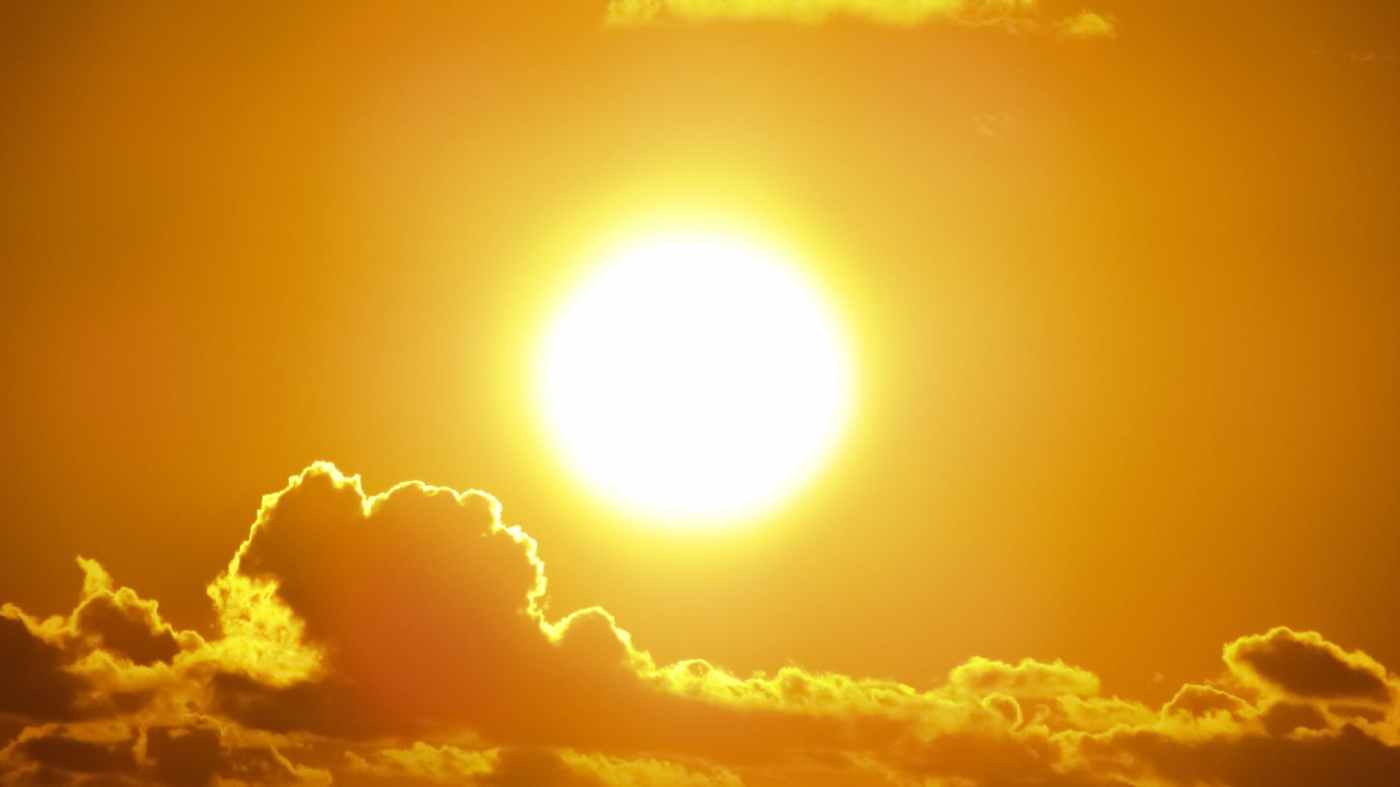
It’s the vitamin that we get from the sun, yet despite its ample availability, one in three Australian adults still suffer from mild, moderate or severe vitamin D deficiency. Now, new research from the University of South Australia gives strong evidence that vitamin D deficiency is... Continue Reading →
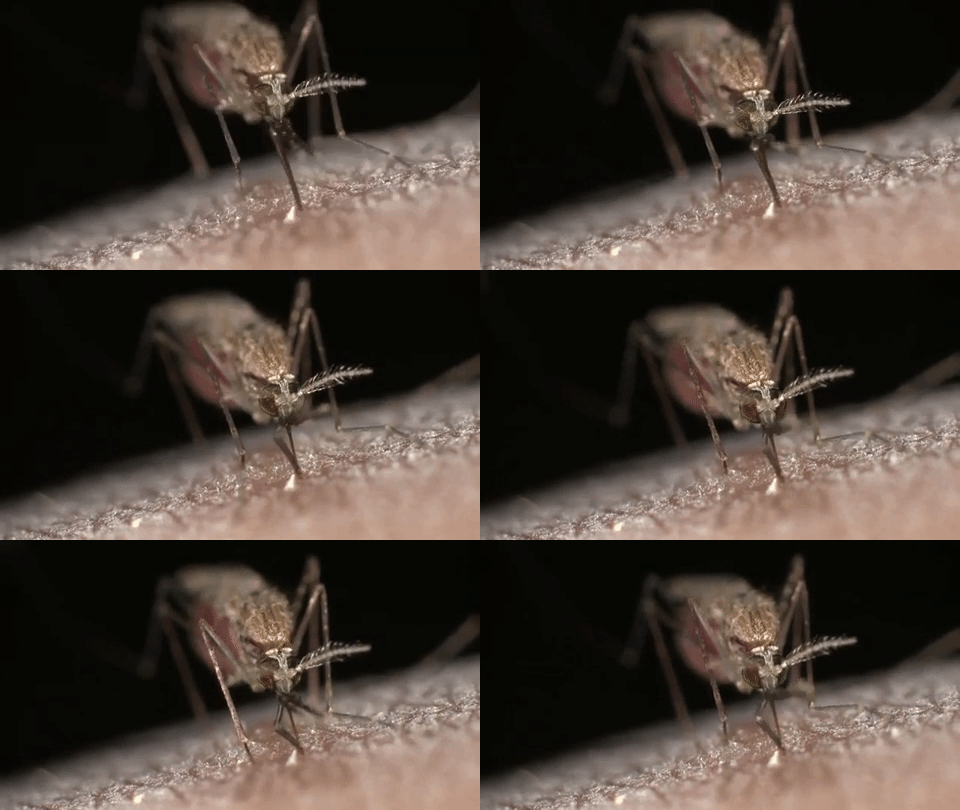
It’s impossible to hide from a female mosquito—she will hunt down any member of the human species by tracking our CO2 exhalations, body heat, and body odor. But some of us are distinct “mosquito magnets” who get more than our... Continue Reading →
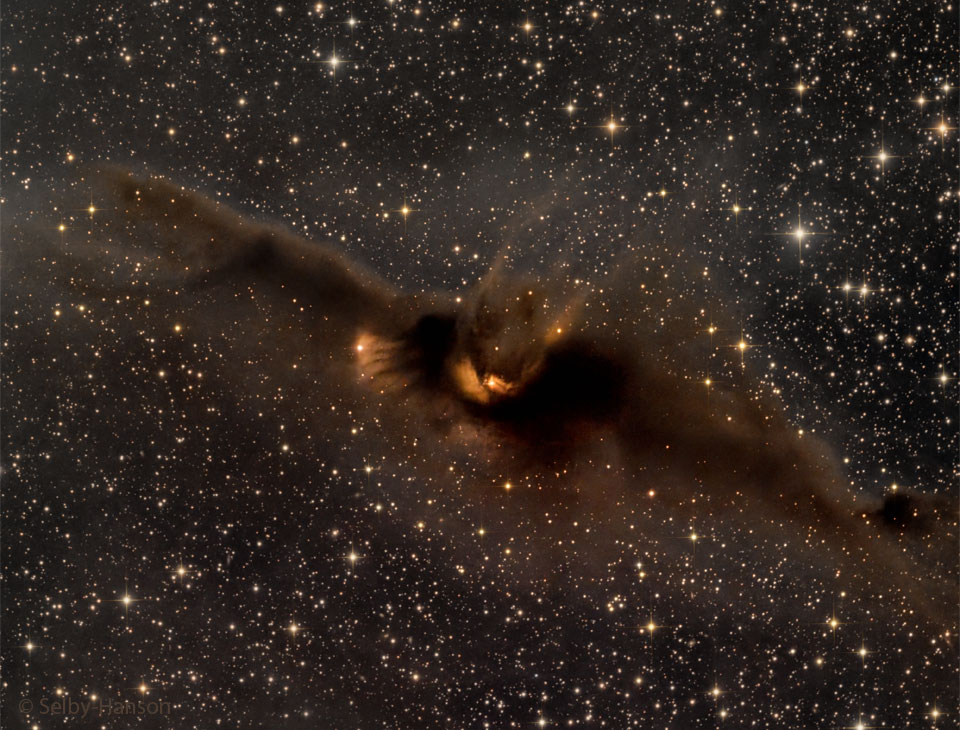
What is the most spook-tacular nebula in the galaxy? One contender is LDN 43, which bears an astonishing resemblance to a vast cosmic bat flying amongst the stars on a dark Halloween night. Located about 1400 light years away in the constellation Ophiuchus, this molecular cloud is dense enough to block... Continue Reading →
 Scents of Science