
Thor not only has his own day (Thursday), but a helmet in the heavens. Popularly called Thor's Helmet, NGC 2359 is a hat-shaped cosmic cloud with wing-like appendages. Heroically sized even for a Norse god, Thor's Helmet is about 30 light-years across. In fact, the... Continue Reading →

A patient's own immune cells, multiplied into an army of billions of immune cells in a lab, can be used as a living medicine against metastatic melanoma, an aggressive form of skin cancer, as the TIL trial has shown. The... Continue Reading →

Florida State University College of Medicine researchers have linked aspartame, an artificial sweetener found in nearly 5,000 diet foods and drinks, to anxiety-like behavior in mice. Along with producing anxiety in the mice who consumed aspartame, the effects extended up... Continue Reading →

On December 8 a full Moon and a full Mars were close, both bright and opposite the Sun in planet Earth's sky. In fact Mars was occulted, passing behind the Moon when viewed from some locations across Europe and North America. Seen from... Continue Reading →

An estimated 55 million people worldwide live with dementia, a number that’s expected to rise as the global population ages. To find treatments that can slow or stop the disease, scientists need to better understand the factors that can cause... Continue Reading →
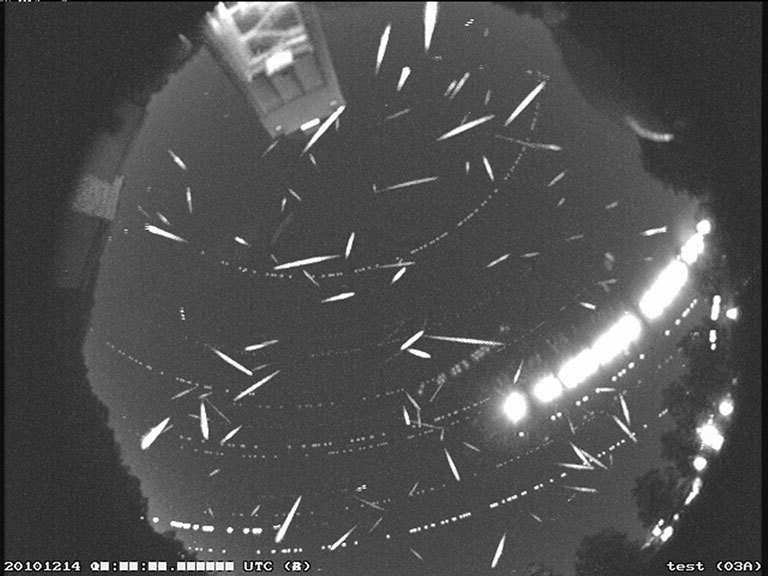
The cosmos’ annual gift to sky watchers, the Geminids Meteor shower, will peak on Dec. 13-14 this year. During peak activity and perfect weather conditions, which are rare, the Geminids produce approximately 100-150 meteors per hour for viewing. However, this... Continue Reading →
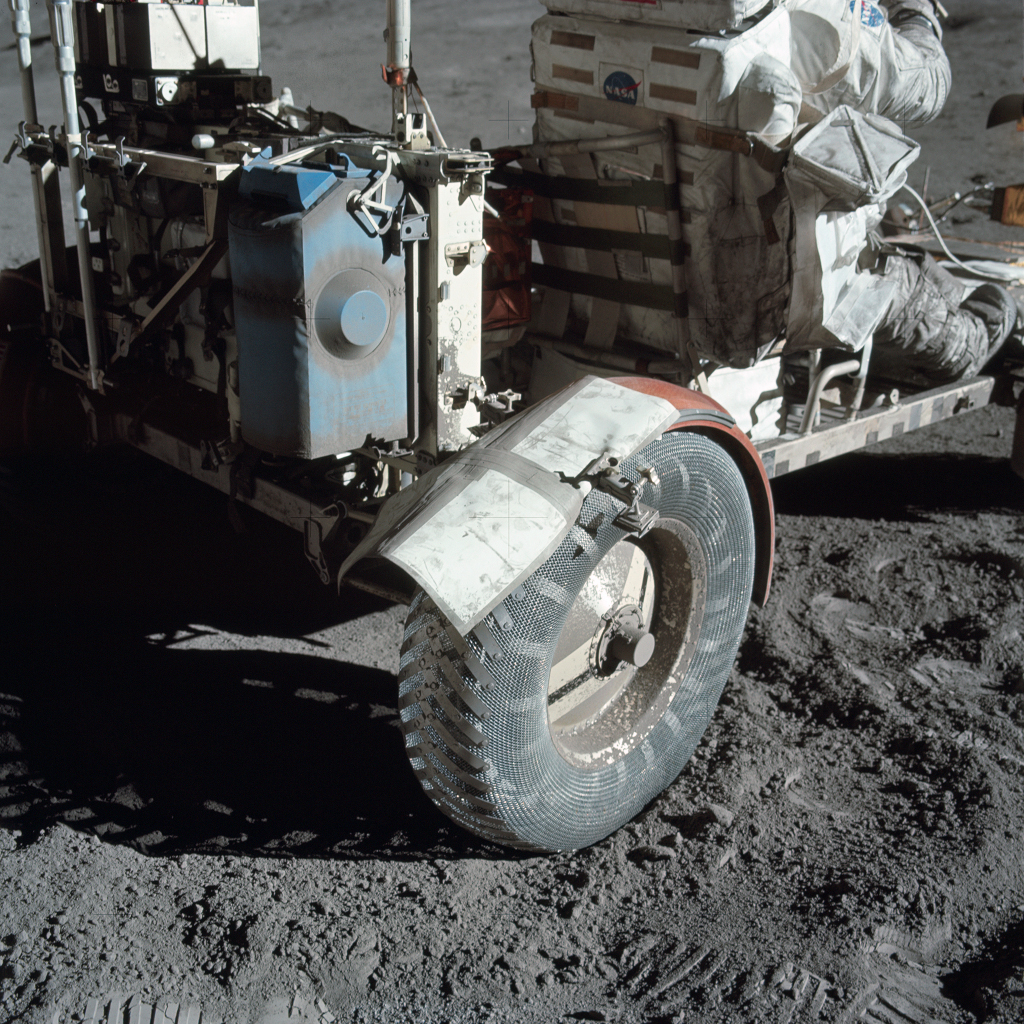
Why is the Moon so dusty? On Earth, rocks are weathered by wind and water, creating soil and sand. On the Moon, the history of constant micrometeorite bombardment has blasted away at the rocky surface creating a layer of powdery lunar soil... Continue Reading →
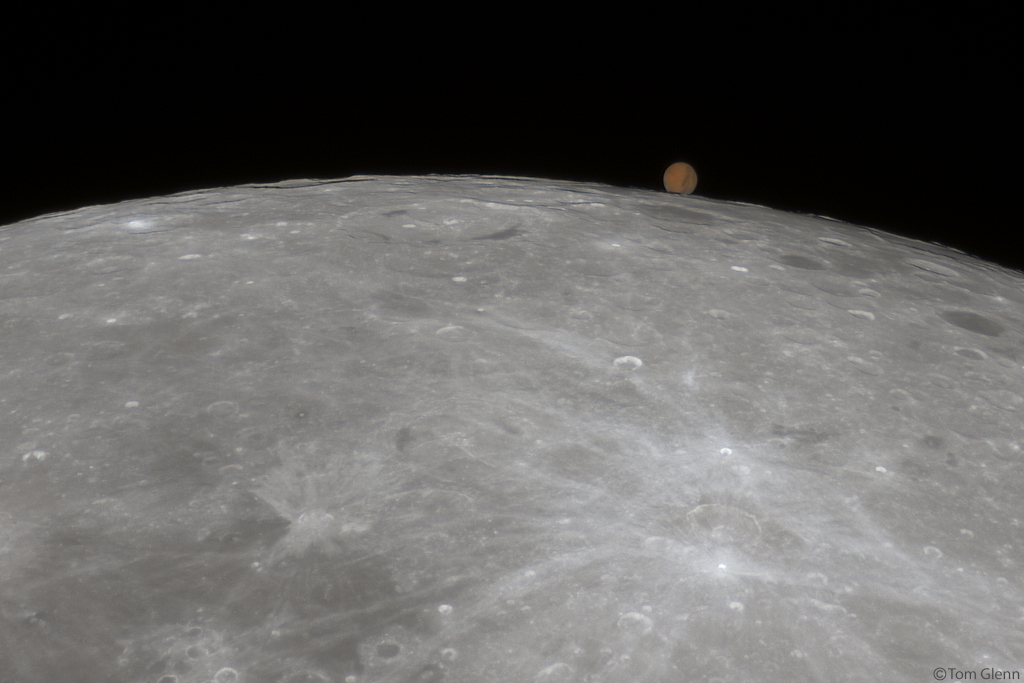
On the night of December 7 Mars wandered near the Full Moon. In fact the Red Planet was occulted, passing behind the Moon, when viewed from locations across Europe and North America. About an hour after disappearing behind the lunar disk Mars reappears... Continue Reading →

A camera on board the uncrewed Orion spacecraft captured this view on December 5 as Orion approached its return powered flyby of the Moon. Below one of Orion's extended solar arrays lies dark, smooth, terrain along the western edge of the Oceanus Procellarum. Prominent... Continue Reading →
 Scents of Science