
A growing pile of evidence indicates that the tens of trillions of microbes that normally live in our intestines — the so-called gut microbiome — have far-reaching effects on how our bodies function. Members of this microbial community produce vitamins,... Continue Reading →

The waxing gibbous Moon stands out in this Jan. 2, 2023, image from the International Space Station as it orbited 269 miles above the southern Indian Ocean. In 24 hours, the space station makes 16 orbits of Earth, traveling through 16 sunrises... Continue Reading →
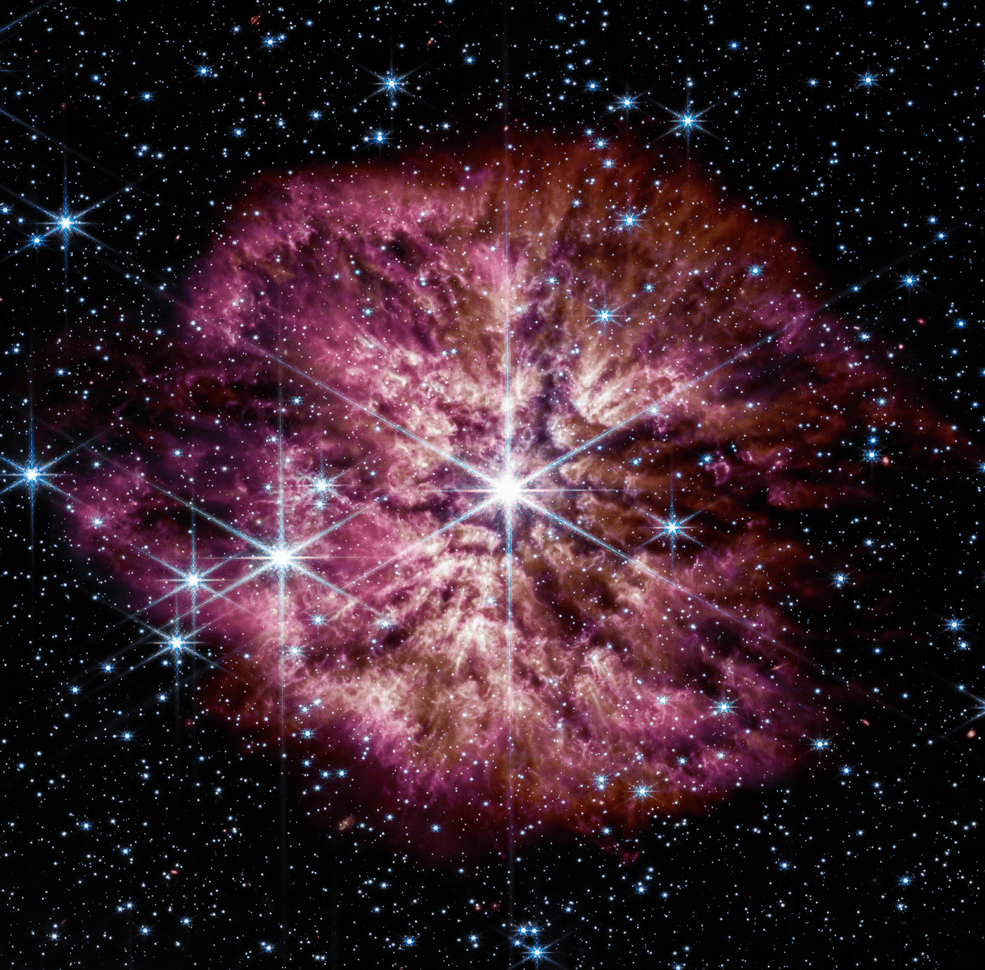
The rare sight of a Wolf-Rayet star – among the most luminous, most massive, and most briefly detectable stars known – was one of the first observations made by NASA’s James Webb Space Telescope in June 2022. Webb shows the... Continue Reading →

Mental health disorders come at great cost to both the individual and society, with depression and anxiety being among the leading causes of health-related disease burden. The COVID pandemic is exacerbating the situation, with a significant rise in rates of psychological... Continue Reading →

This amazing feat was achieved with optical traps, which use a highly focused laser beam to hold and move tiny objects. Although optical traps have been used to move individual atoms before, this is the first time an atom has... Continue Reading →

Our Sun is becoming a busy place. Only two years ago, the Sun was emerging from a solar minimum so quiet that months would go by without even a single sunspot. In contrast, already this year and well ahead of schedule, our Sun is unusually active, already... Continue Reading →

A team from Nagoya University in Japan used the drug fasudil to reverse two common symptoms associated with schizophrenia: reduced density of pyramidal neurons and cognitive dysfunction associated with methamphetamine treatment.? Their findings, which were published in Pharmacological Research, suggest new... Continue Reading →

Researchers using NASA’s James Webb Space Telescope are getting their first look at star formation, gas, and dust in nearby galaxies with unprecedented resolution at infrared wavelengths. The data has enabled an initial collection of 21 research papers which provide... Continue Reading →
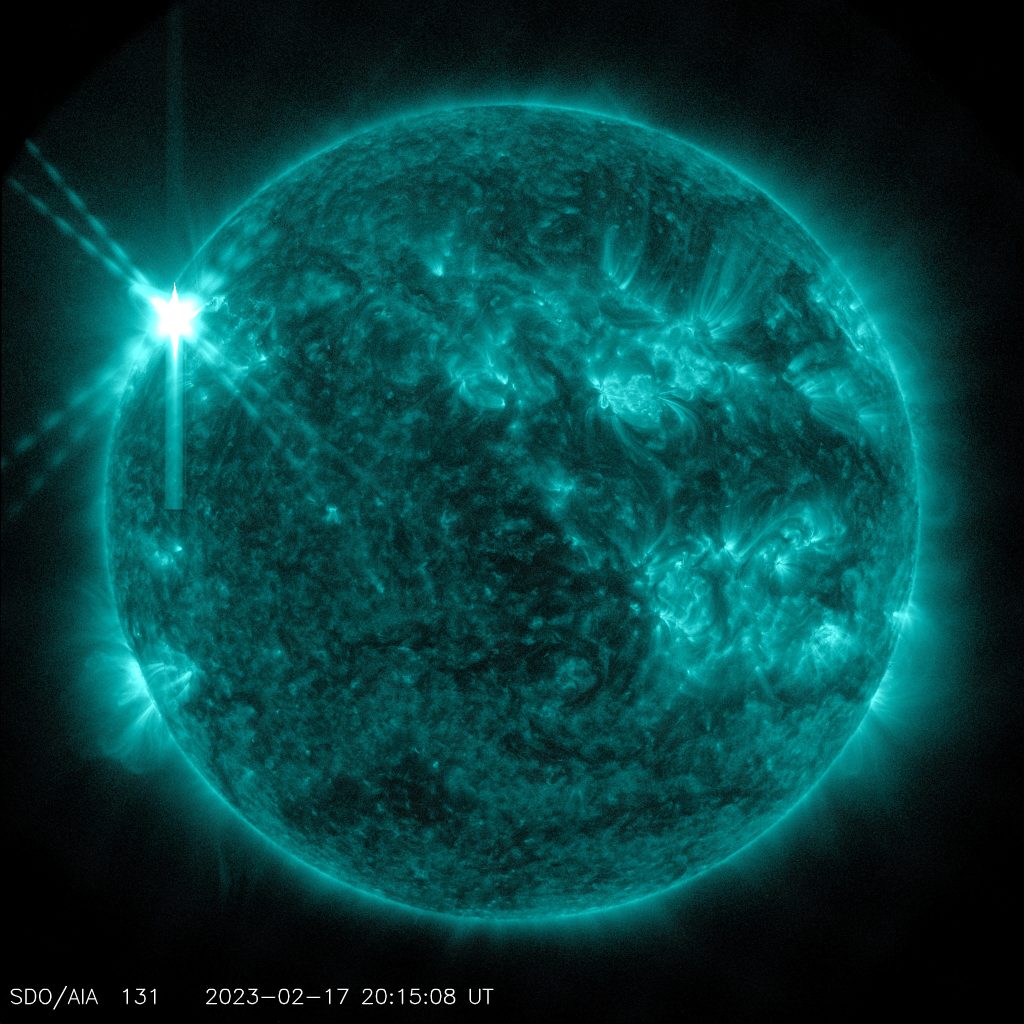
The Sun emitted a strong solar flare, peaking at 3:16 p.m. ET on Feb. 17, 2023. NASA’s Solar Dynamics Observatory, which watches the Sun constantly, captured an image of the event. Solar flares are powerful bursts of energy. Flares and solar... Continue Reading →
 Scents of Science