
New research indicates that the eating disorder anorexia nervosa is associated with being an early riser, unlike many other disorders that tend to be evening-based such as depression, binge eating disorder and schizophrenia. The study, which is published in JAMA Network... Continue Reading →
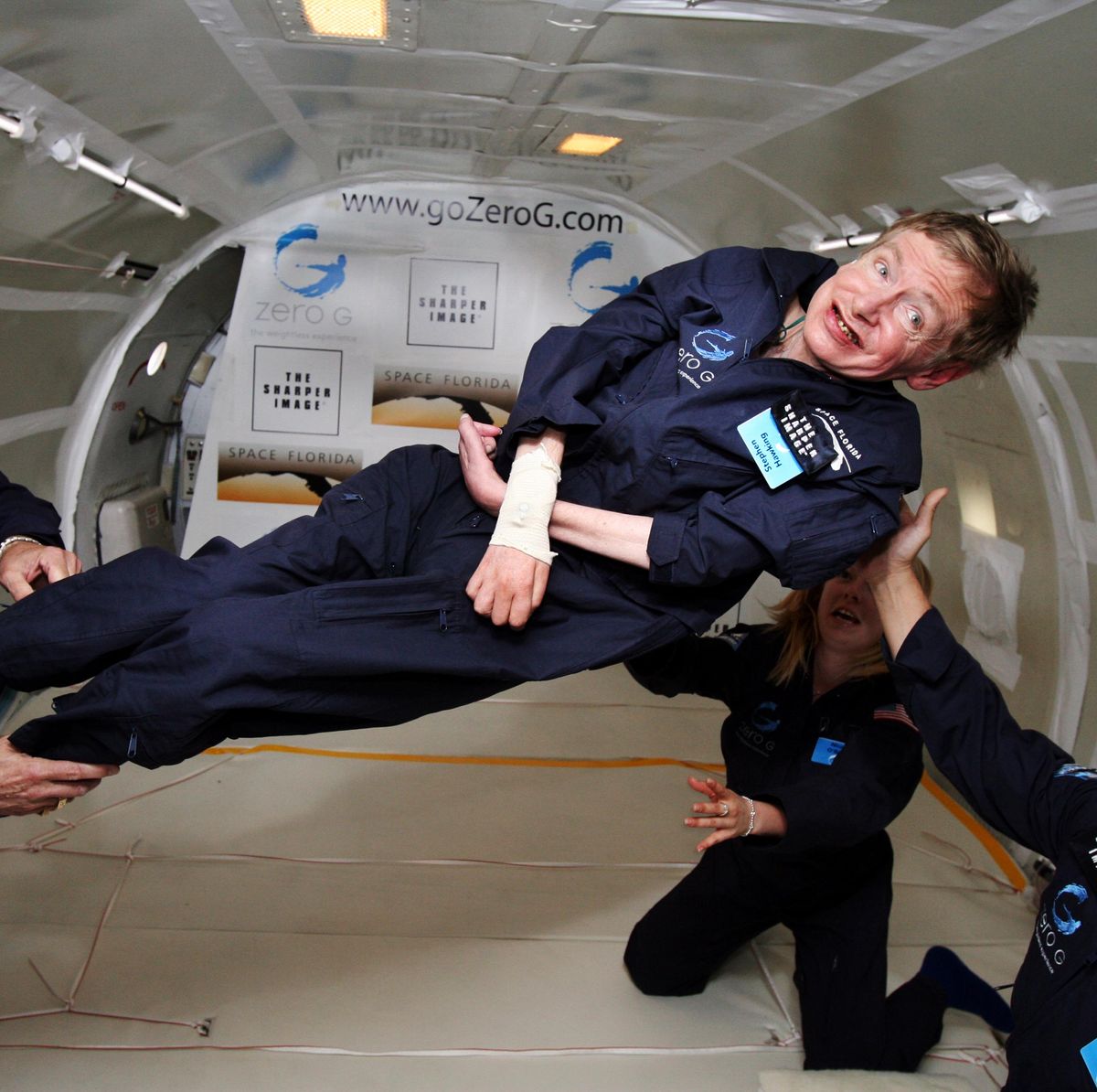
Stephen was born in Oxford on 8 January 1942, the three hundredth anniversary of the death of Galileo Galilei. His father, Frank Hawking, came from a family of tenant farmers in Yorkshire who suffered hard times during the agricultural depression at... Continue Reading →

Venus goes through phases. Just like our Moon, Venus can appear as a full circular disk, a thin crescent, or anything in between. Venus, frequently the brightest object in the post-sunset or pre-sunrise sky, appears so small, however, that it usually requires binoculars or a small telescope to... Continue Reading →
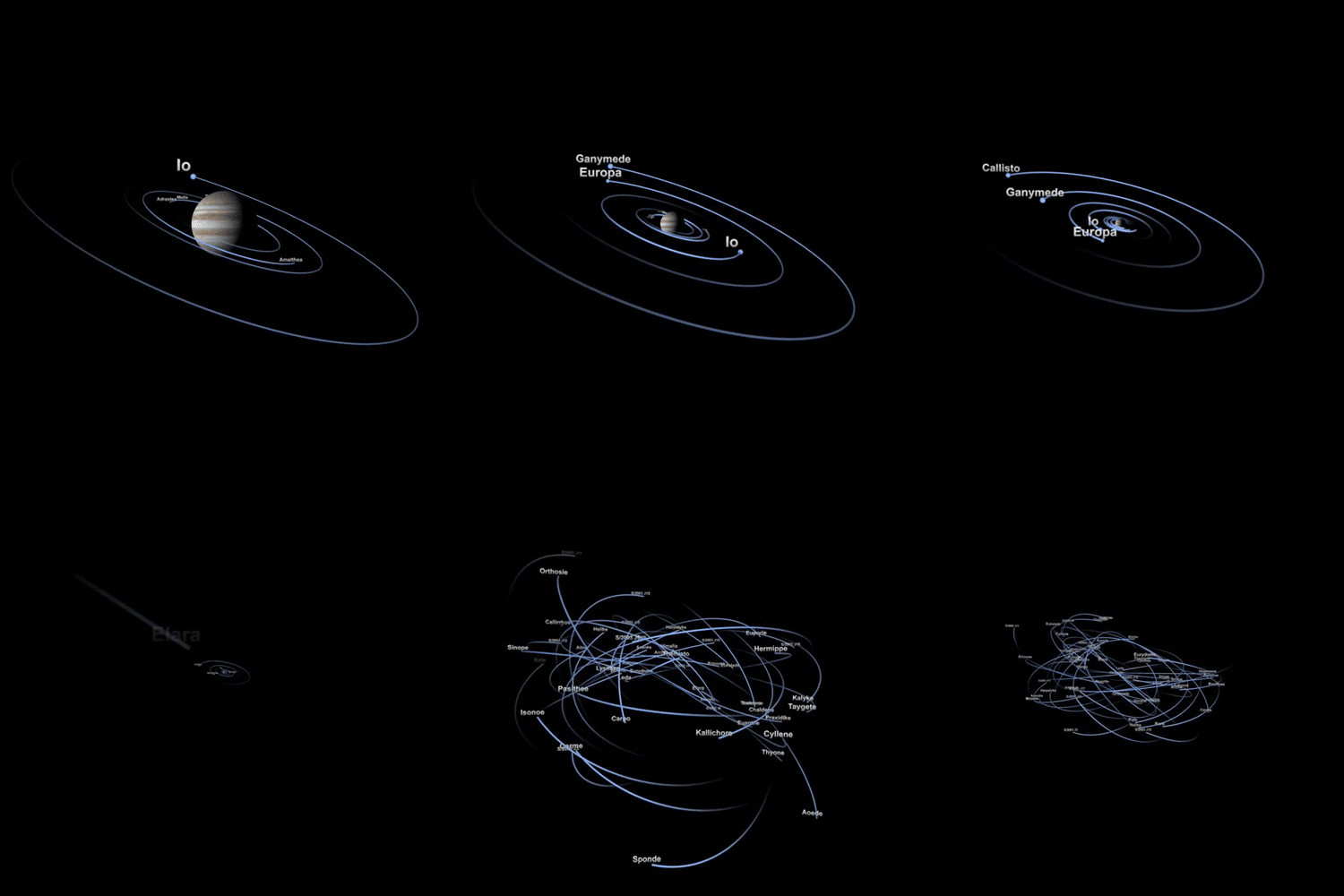
Probably the most significent contribution that Galileo Galilei made to science was the discovery of the four satellites around Jupiter that are now named in his honor. Galileo first observed the moons of Jupiter on January 7, 1610 through a... Continue Reading →
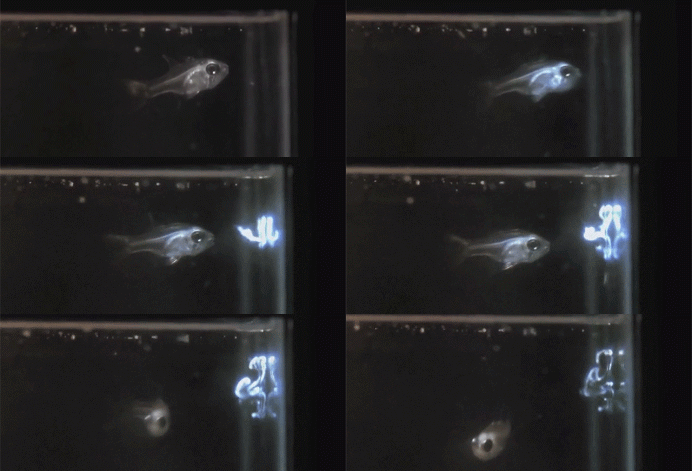
Helen Czerski uncovers the amazing light show that ensues when a cardinal fish swallows an ostracod.Just hocus pocus awesomeness! Watch: https://www.bbc.co.uk/programmes/p024m0s1
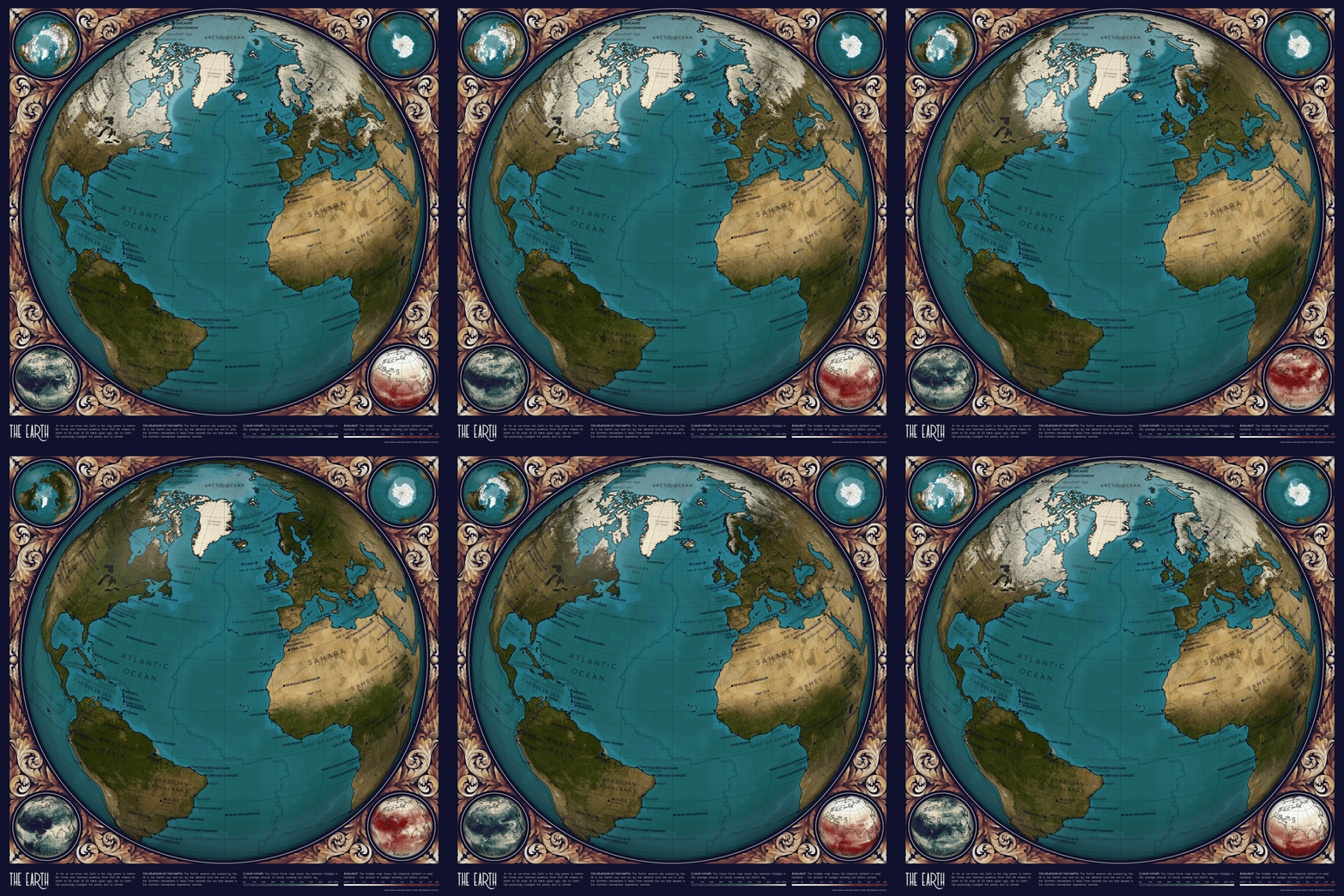
This animation focuses mainly on data about Arctic sea ice and vegetation.The animation is a combination of NASA's Earth datasets which are published monthly and this GIF uses one frame per month to show the fluctuating seasons. The NASA Earth... Continue Reading →

To some it looks like a cat's eye. To others, perhaps like a giant cosmic conch shell. It is actually one of the brightest and most highly detailed planetary nebula known, composed of gas expelled in the brief yet glorious phase near the end... Continue Reading →
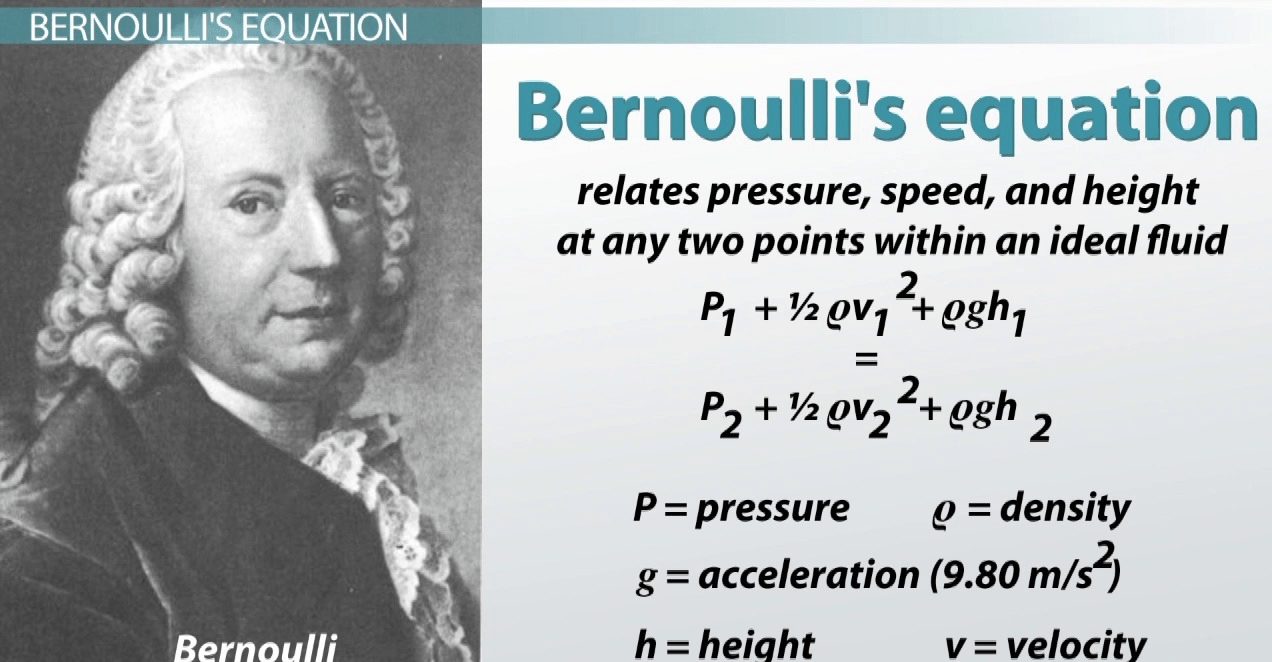
Jacob Bernoulli (6 January 1655 - 16 August 1705) was a Swiss mathematician who was the first to use the term integral. He studied the catenary, the curve of a suspended string. He was an early user of polar coordinates and... Continue Reading →

A new study published in Nature Cell Biology by Mark Alkema, PhD, professor of neurobiology, establishes an important molecular link between specific B12-producing bacteria in the gut of the roundworm C. elegans and the production of acetylcholine, a neurotransmitter important to memory and cognitive... Continue Reading →
 Scents of Science