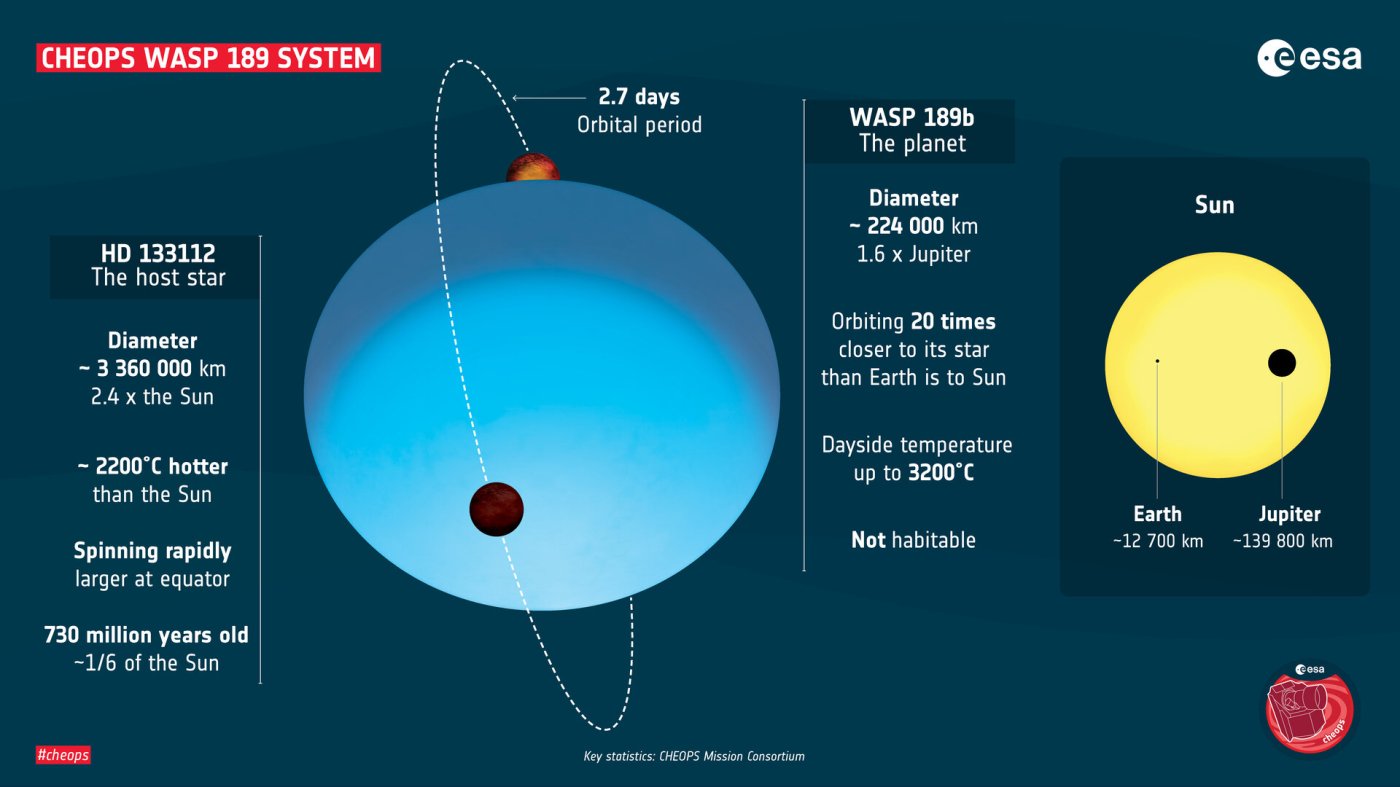
ESA’s new exoplanet mission, Cheops, has found a nearby planetary system to contain one of the hottest and most extreme extra-solar planets known to date: WASP-189 b. The finding, the very first from the mission, demonstrates Cheops’ unique ability to... Continue Reading →

A team of researchers at the University of Warsaw has created the most accurate 3-D model of the Milky Way Galaxy to date. In their paper published in the journal Science, the group explains how they used measurements from a... Continue Reading →

Although the name may suggest otherwise, Parkinson's disease is not one but two diseases, starting either in the brain or in the intestines. Which explains why patients with Parkinson's describe widely differing symptoms, and points towards personalised medicine as the... Continue Reading →
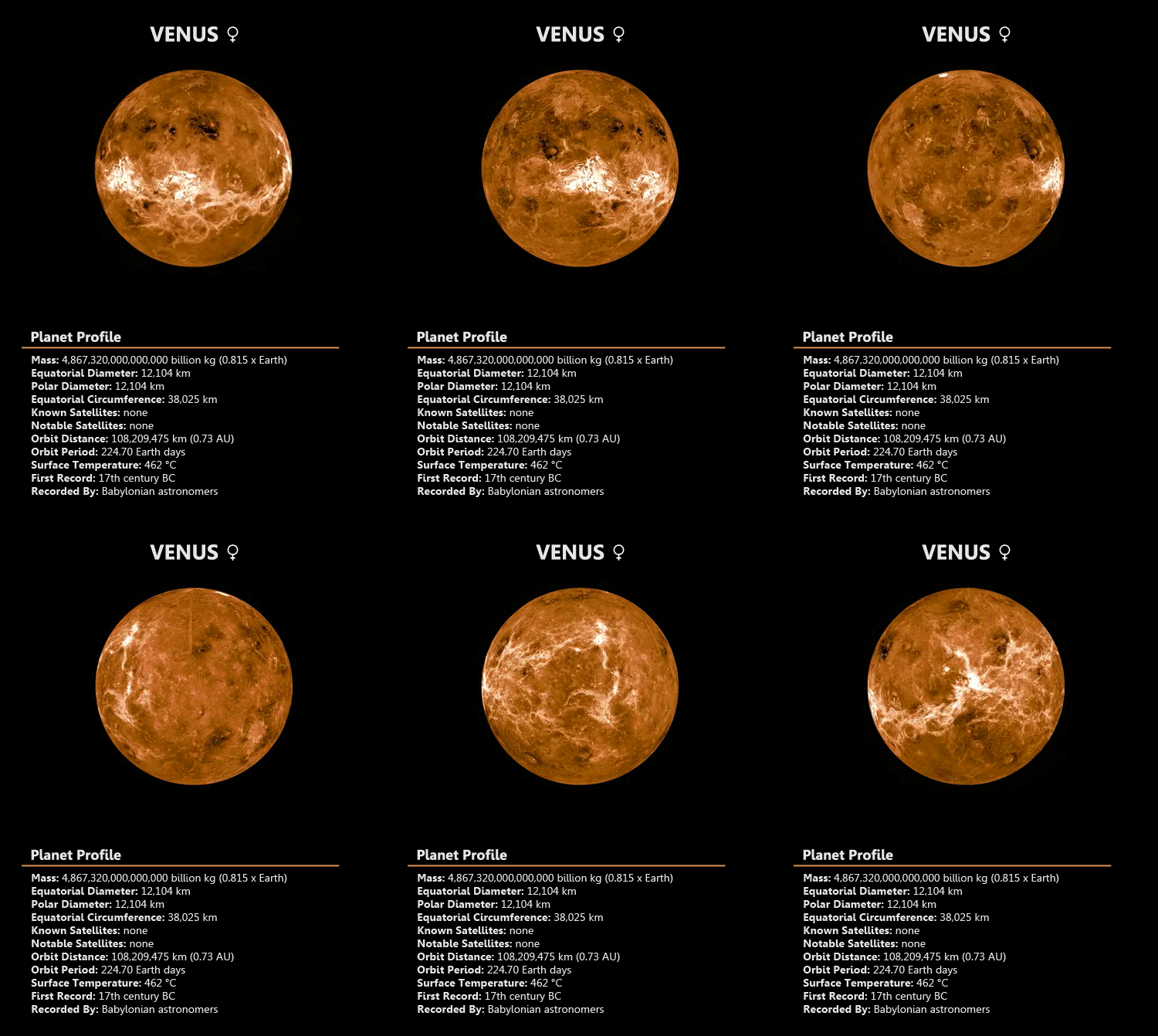
An international team of astronomers announced the discovery of a rare molecule -- phosphine -- in the clouds of Venus. On Earth, this gas is only made industrially or by microbes that thrive in oxygen-free environments. Astronomers have speculated for... Continue Reading →

Data from NASA instruments aboard the ESA (European Space Agency) Rosetta mission have helped reveal that comet 67P/Churyumov-Gerasimenko has its own far-ultraviolet aurora. It is the first time such electromagnetic emissions in the far-ultraviolet have been documented on a celestial... Continue Reading →

Women with Alzheimer's live longer than men with the disease, and scientists at UC San Francisco now have evidence from research in both humans and mice that this is because they have genetic protection from the ravages of the disease.... Continue Reading →

Researchers have developed electronic artificial skin that reacts to pain just like real skin, opening the way to better prosthetics, smarter robotics and non-invasive alternatives to skin grafts. The prototype device developed by a team at RMIT University in Melbourne,... Continue Reading →
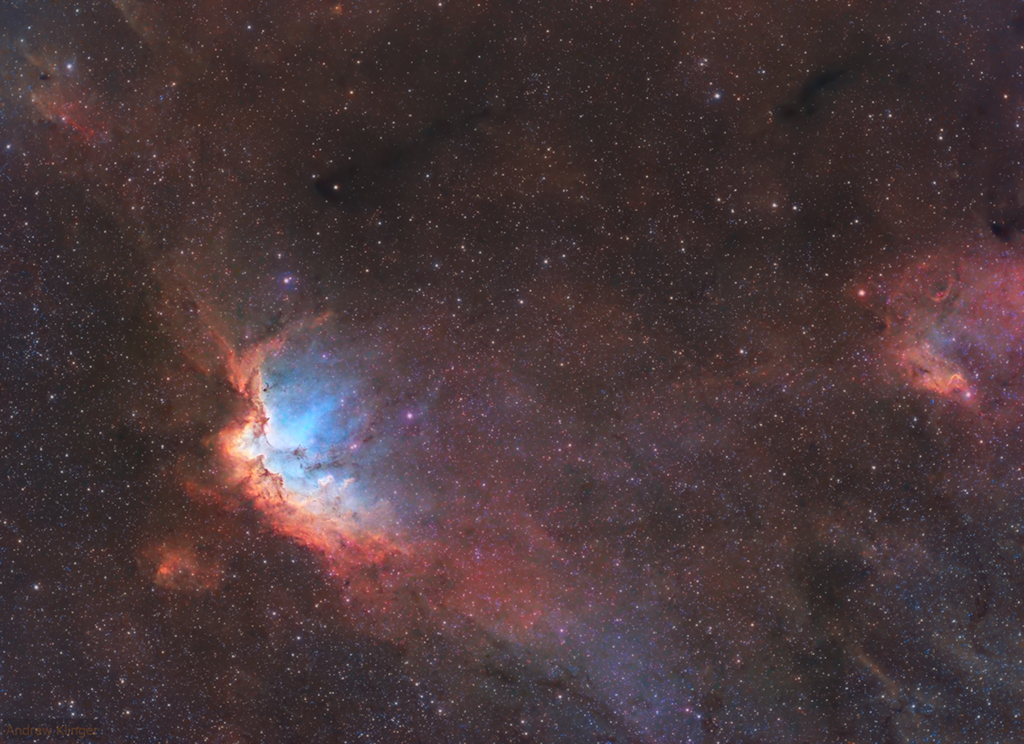
Open star cluster NGC 7380 is still embedded in its natal cloud of interstellar gas and dust popularly known as the Wizard Nebula. Seen on the left, with foreground and background stars along the plane of our Milky Way galaxy it lies some 8,000 light-years... Continue Reading →
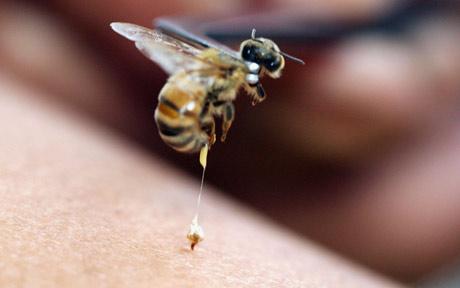
Using the venom from 312 honeybees and bumblebees in Perth Western Australia, Ireland and England, Dr Ciara Duffy from the Harry Perkins Institute of Medical Research and The University of Western Australia, tested the effect of the venom on the... Continue Reading →
 Scents of Science