
Springtime rains can be a surprising source of pollen. University of Iowa researchers report that tree pollen fragments remain in the air for as many as 11 hours after heavy rains, and those granules can make their way deep into... Continue Reading →

Annie and John Glenn arrive at the Mission Control Center for the Gemini IV launch on June 4, 1965. John Glenn was the first American to orbit the Earth. Glenn's wife Annie, who passed away May 19, 2020, was an advocate for people... Continue Reading →
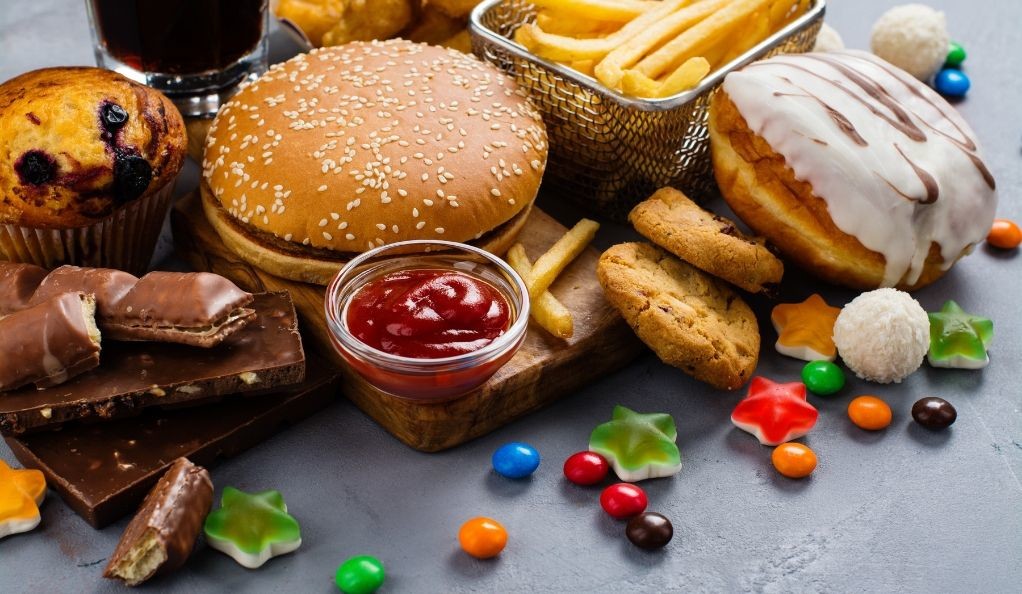
Fatty food may feel like a friend during these troubled times, but new research suggests that eating just one meal high in saturated fat can hinder our ability to concentrate -- not great news for people whose diets have gone... Continue Reading →
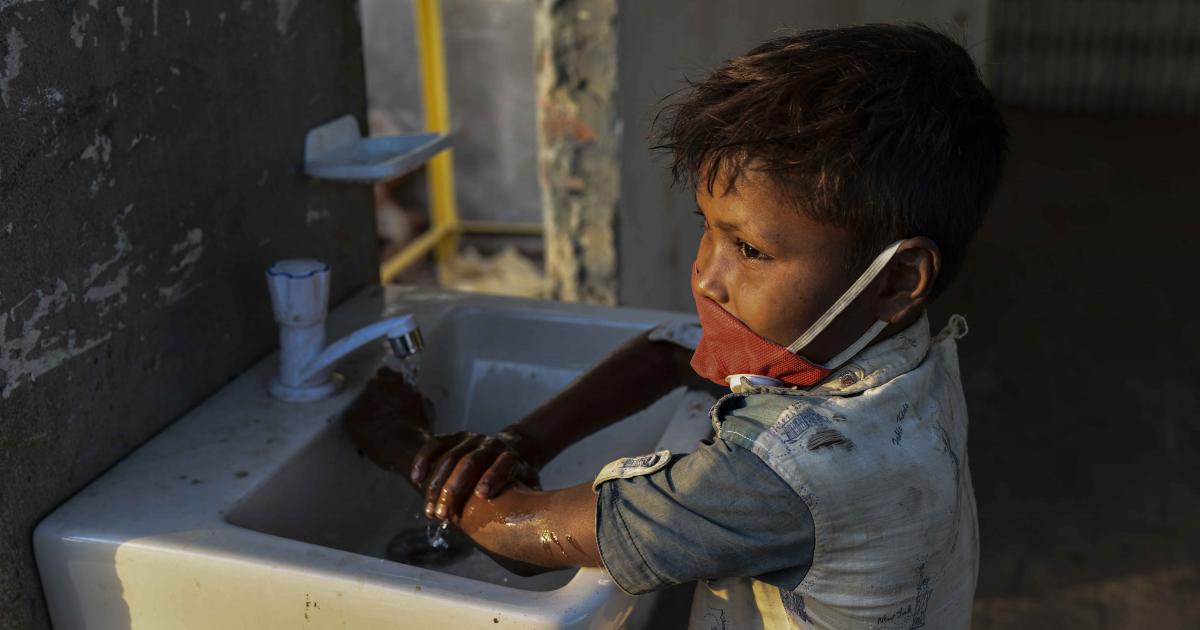
Children, teens and young adults are at greater risk for severe complications from COVID-19 than previously thought and those with underlying health conditions are at even greater risk, according to a study coauthored by a Rutgers researcher. The study, published... Continue Reading →
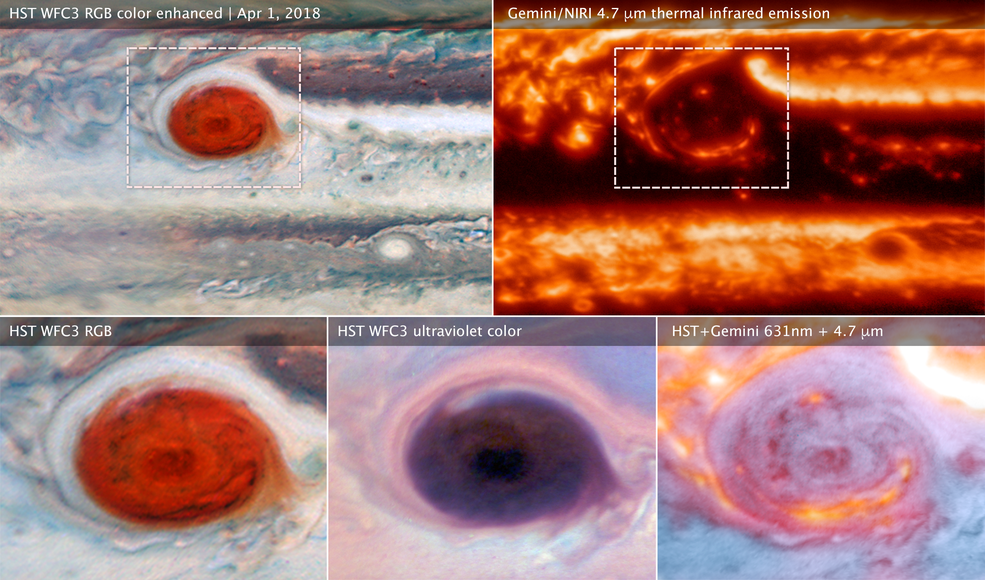
NASA's Hubble Space Telescope and the ground-based Gemini Observatory in Hawaii have teamed up with the Juno spacecraft to probe the mightiest storms in the solar system, taking place more than 500 million miles away on the giant planet Jupiter.... Continue Reading →
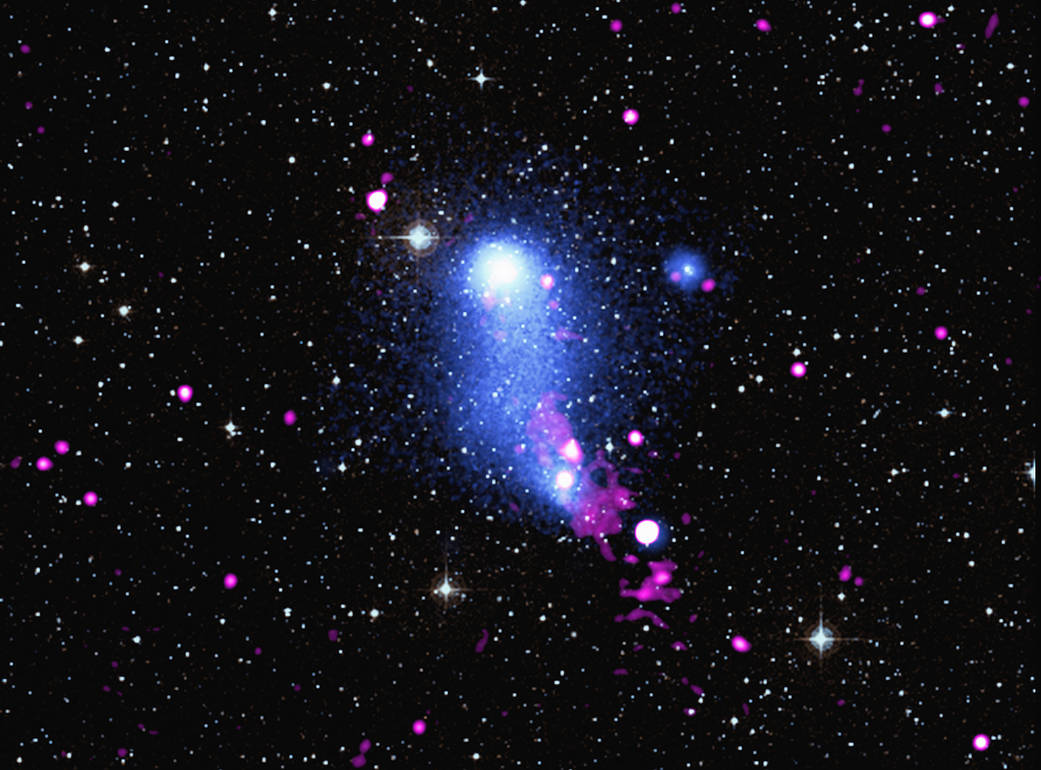
Several hundred million years ago, two galaxy clusters collided and then passed through each other. This mighty event released a flood of hot gas from each galaxy cluster that formed an unusual bridge between the two objects. This bridge is now being pummeled by... Continue Reading →

NASA astronaut Ricky Arnold takes an out of this world "space-selfie" while conducting a spacewalk on March 29, 2018. Before he joined the Astronaut Corps, Arnold was a teacher, who taught all over the world from Malaysia to Romania. As an astronaut he... Continue Reading →

A woman walking down the street hears a bang. Several moments later she discovers her boyfriend, who had been walking ahead of her, has been shot. A month later, the woman checks into the emergency room. The noises made by... Continue Reading →

This 2018 composite of the Crab Nebula was made with data from the Chandra X-Ray Observatory (blue and white), Hubble Space Telescope (purple), and Spitzer Space Telescope (pink). The star that exploded to create the Crab Nebula was first seen from Earth in 1054 A.D. Since its launch in 1999,... Continue Reading →
 Scents of Science